Noel Coward

Pop
Mainstream Pop
Big band Jazz
 Viberate Rank: 129254
 Viberate Rank: 129254
 Monthly ListenersFollowers
 Subscribers
 Followers
 Followers
 FansTop Spotify Songs
| Track | 7-Day Streams | |
|---|---|---|
1 | 7.79K | |
2 | 3.45K | |
3 | 3.12K | |
4 | 3.12K | |
5 | 3.12K |
Top YouTube VideosMonthly ListenersFeatured in Playlists| Playlist | Followers | |
|---|---|---|
1 |  1930's-1950's Swing & Jazz michaeldil | 126.92K |
2 |  Caribou - The Longest Mixtape: 1000+ Songs For You Caribou | 53.23K |
3 |  Essential Classics Essential Classics | 31.39K |
4 |  Bioshock Music Collection noix_np | 29.35K |
5 | Unofficial Reverb Radio Jeff Ferruzzo | 21.82K |
Audience| City | Monthly Listeners | |
|---|---|---|
1 | | 1.45K |
2 |  | 618 |
3 | | 614 |
4 |  | 486 |
5 | | 467 |
See full performance history, audience data, playlist activity, rankings, comparisons, and more in Viberate music analytics. Start with a free trial, then continue with a paid plan.
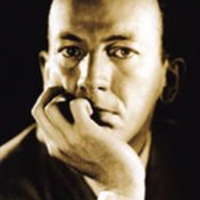
Noel Coward’s Spotify BioSir Noël Peirce Coward (16 December 1899 – 26 March 1973) was an English playwright, composer, director, actor, producer, and singer, known for his wit, flamboyance, and what Time magazine called "a sense of personal style, a combination of cheek and chic, pose and poise".
Noël Peirce Coward was born in 1899 and made his professional stage debut as Prince Mussel in The Goldfish at the age of 12. His breakthrough in playwriting was the controversial The Vortex (1924).
During World War II, he remained a successful playwright, screenwriter and director, as well as entertaining the troops and even acting as an unofficial spy for the Foreign Office.
However, the post-war years were more difficult. Austerity Britain – the London critics determined – was out of tune with the brittle Coward wit. In response, Coward re-invented himself as a cabaret and TV star, particularly in America, and in 1955 he played a sell-out season in Las Vegas featuring many of his most famous songs. In the mid-1950s he… enjoyed a renaissance in the early 1960s becoming the first living playwright to be performed by the National Theatre.
Writer, actor, director, film producer, painter, songwriter, cabaret artist as well as an author of a novel, verse, essays and autobiographies, he was called by close friends ‘The Master’. His final West End appearance was Song at Twilight in 1966, which he wrote and starred in. He was knighted in 1970 and died peacefully in 1973 in his beloved Jamaica.
Viberate is a music analytics platform built for A&Rs, artist managers, labels, booking agents, marketers, and artists.
It helps music professionals track artist growth, analyze audience data, monitor playlist activity, compare artists, follow song performance, and identify opportunities across the music market.
Public artist pages provide a free preview of selected artist data. Paid plans provide access to deeper analytics, historical data, charts, comparisons, playlist tools, exports, alerts, reports, and additional professional features.
Yes. Public Viberate artist pages provide selected artist analytics and music data for free.
Viberate also offers a 7-day free trial of the full platform. A credit card is required to start the trial. The trial includes access to the complete product so users can test deeper artist analytics, historical views, playlist insights, comparisons, charts, exports, alerts, and reporting features before choosing a paid plan.
Viberate provides artist analytics across streaming, playlists, social media, video, radio airplay, songs, and audience markets.
Users can analyze Spotify performance, Spotify and Apple Music playlists, YouTube activity, TikTok and Instagram growth, radio spins, song performance, audience locations, demographics, rankings, and overall artist momentum.
Artist profiles also connect to music charts, similar artists, and comparison tools, helping users benchmark performance and evaluate artists in context.
Viberate updates key artist and track data daily.
For followed artists and tracks, selected data is refreshed multiple times per day. This helps teams monitor playlist changes, streaming movement, audience growth, releases, and campaign performance with more current data.
Update frequency can vary depending on the metric and data source.
Yes. Viberate lets users compare up to five artists side by side across streaming, social media, audience, and engagement metrics.
Users can compare fanbase growth, audience demographics, locations, Spotify performance, social metrics, and other artist data over selected time periods.
Artist comparison can be used for A&R scouting, benchmarking, booking decisions, campaign planning, and evaluating artists with similar audiences or market positions.