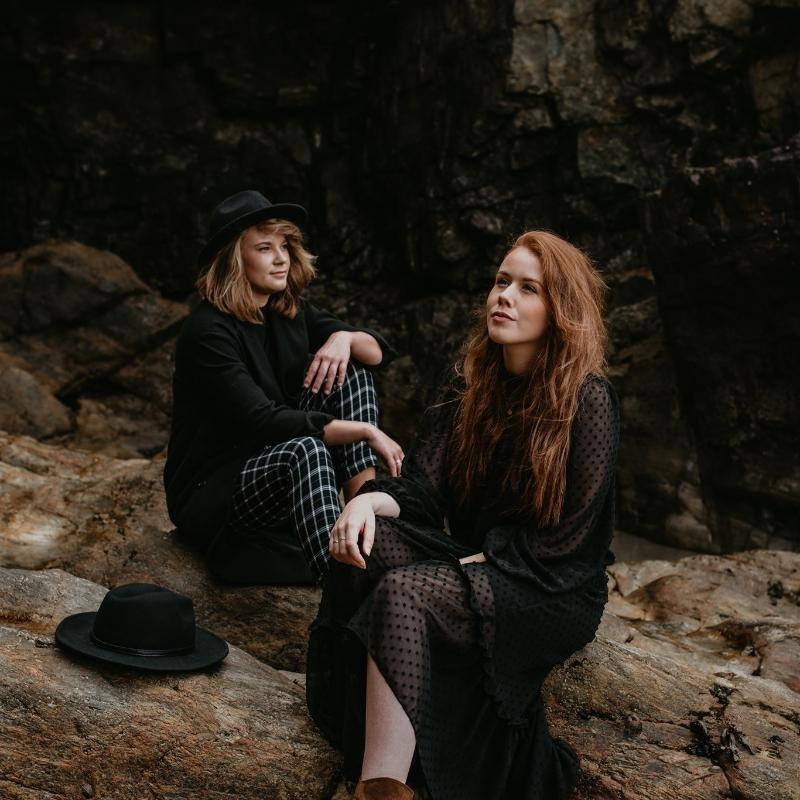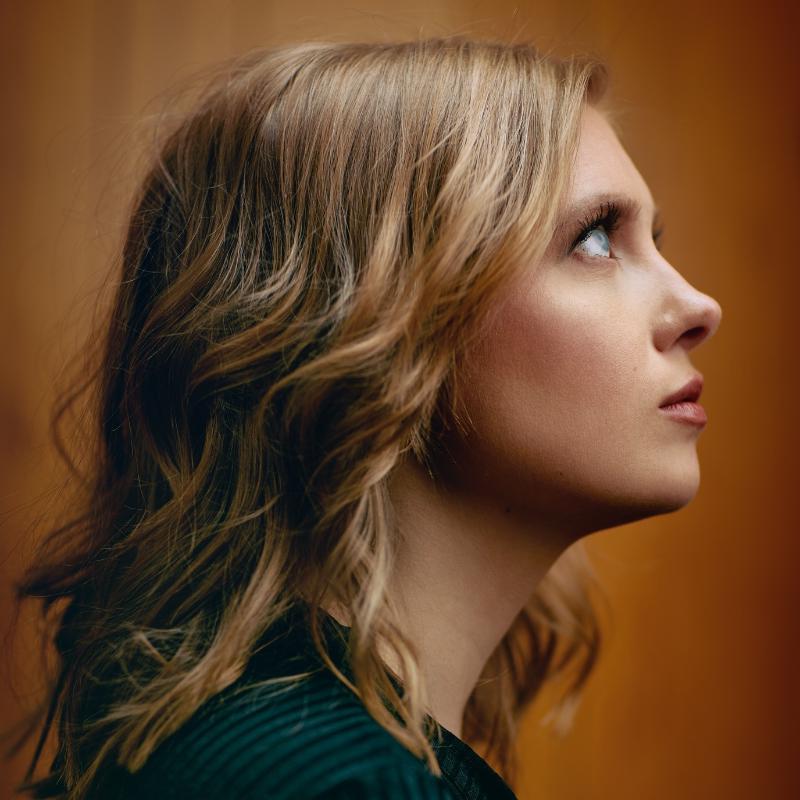
Noa Jordan

Rock
Indie Rock
 Viberate Rank: 576774
 Viberate Rank: 576774
 Monthly ListenersFollowers
 Subscribers
 Followers
 Followers
 FansTop Spotify Songs
| Track | 7-Day Streams | |
|---|---|---|
1 | 4 | |
2 | 3 | |
3 | 3 | |
4 | 2 | |
5 | 2 |
Top YouTube VideosMonthly ListenersFeatured in PlaylistsAudience| City | Monthly Listeners | |
|---|---|---|
1 | | 8 |
2 | | 3 |
See full performance history, audience data, playlist activity, rankings, comparisons, and more in Viberate music analytics. Start with a free trial, then continue with a paid plan.
Noa Jordan’s Spotify BioHailing from the legendary down-and-dirty city of Pittsburgh, Noa Jordan is an artist born of grit and heart. The passion of the city that forged her is inherently ingrained in the lyrics she pens and the melodies she produces, creating a space thick with the weight of what it means to be human in this one wild world – all the realities of it, both those that ache and those that open our eyes to the beauty of it all.
Jordan released her first EP, “Fractured Crags” in May of 2014 and followed it in September of 2015, upping the ante with her debut full-length record. “The Lost Boys” is a 10-track ode to rock’n’roll, with nods to the likes of Yes and Led Zeppelin as well as Coldplay and Paramore. Blending the influence of progressive rock with pop sensibilities, Jordan is able to weave in and out of genres – leading the listener down beaten dirt roads to still, southern marshes with the haunting vocal hooks of the opening track, “Thieves” and immediately carrying them back to big city… lights with the anthemic stylings of “Momentum.” The entirety of the record is theatrical, larger than life, and it explores the different threads of leaving childhood behind and becoming an adult.
Noa Jordan longs to create spaces that allow people to hear their own experiences – to say what they feel and just may not have the words for – and be still enough to sit in them, to be seen in them, and to know that though they may question the why of it all, they are never alone.
Viberate is a music analytics platform built for A&Rs, artist managers, labels, booking agents, marketers, and artists.
It helps music professionals track artist growth, analyze audience data, monitor playlist activity, compare artists, follow song performance, and identify opportunities across the music market.
Public artist pages provide a free preview of selected artist data. Paid plans provide access to deeper analytics, historical data, charts, comparisons, playlist tools, exports, alerts, reports, and additional professional features.
Yes. Public Viberate artist pages provide selected artist analytics and music data for free.
Viberate also offers a 7-day free trial of the full platform. A credit card is required to start the trial. The trial includes access to the complete product so users can test deeper artist analytics, historical views, playlist insights, comparisons, charts, exports, alerts, and reporting features before choosing a paid plan.
Viberate provides artist analytics across streaming, playlists, social media, video, radio airplay, songs, and audience markets.
Users can analyze Spotify performance, Spotify and Apple Music playlists, YouTube activity, TikTok and Instagram growth, radio spins, song performance, audience locations, demographics, rankings, and overall artist momentum.
Artist profiles also connect to music charts, similar artists, and comparison tools, helping users benchmark performance and evaluate artists in context.
Viberate updates key artist and track data daily.
For followed artists and tracks, selected data is refreshed multiple times per day. This helps teams monitor playlist changes, streaming movement, audience growth, releases, and campaign performance with more current data.
Update frequency can vary depending on the metric and data source.
Yes. Viberate lets users compare up to five artists side by side across streaming, social media, audience, and engagement metrics.
Users can compare fanbase growth, audience demographics, locations, Spotify performance, social metrics, and other artist data over selected time periods.
Artist comparison can be used for A&R scouting, benchmarking, booking decisions, campaign planning, and evaluating artists with similar audiences or market positions.