No Regular Play

Electronic
House
Disco house
Dance
 Viberate Rank: 201801
 Viberate Rank: 201801
 Monthly ListenersFollowers
 Subscribers
 Followers
 Followers
 FansTop Spotify Songs
| Track | 7-Day Streams | |
|---|---|---|
1 | 554 | |
2 | 239 | |
3 | 165 | |
4 | 158 | |
5 | 115 |
Top YouTube VideosMonthly ListenersFeatured in Playlists| Playlist | Followers | |
|---|---|---|
1 |  FUNKY HOUSE Island Beats | 28.20K |
2 |  Broad City Soundtrack Comedy Central | 26.70K |
3 |  🔥 Burning Man 2026 Playa Deephouse 🔥 Mark van der Heijden | 9.16K |
4 |  ALL DJ KICKS R. Aguilera | 7.27K |
5 |  Soulful House & Deep Soulful Rihards Grīslis | 7.07K |
Audience| City | Monthly Listeners | |
|---|---|---|
1 |  | 109 |
2 |  | 102 |
3 |  | 64 |
4 |  | 61 |
5 | | 56 |
See full performance history, audience data, playlist activity, rankings, comparisons, and more in Viberate music analytics. Start with a free trial, then continue with a paid plan.
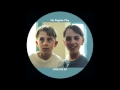
No Regular Play’s Spotify BioGreg Paulus and Nick DeBruyn met as 8 year olds growing up in St. Paul, Minnesota, bonding over an early mutual love of hip-hop and jazz legends such as A Tribe Called Quest, J Dilla, Miles Davis, John Coltrane and Herbie Hancock.
Paulus performed trumpet at local jazz clubs in his teenage years and went on to study jazz/classical at the Manhattan School of Music. Together they later traveled to Cuba’s Havana to study Afro-Cuban rhythm, music and culture. But the seeds of their evolution were really sewn in 2006 when both DeBruyn and Paulus moved to Brooklyn and started exploring the burgeoning underground dance scene.
No Regular Play became integral to the Wolf + Lamb family when they took up residence in the Marcy building, a melting pot for creative minds. Since 2008 they’ve had a string of releases on the label, including the “Owe Me” and “Too Dramatic” EPs, as well as their debut album, “Endangered Species”, in 2012.
Never to be tied to one breed or style, in 2012 they released the… track “Rain (All Day)” on Cut Mistake Music, which was reconstructed and performed as a 25-minute piece by Paulus and his father for improvisation/electronics with the Minnesota Orchestra. A year later they were able to take that experience to the Zurich Tonhalle Orchestra to perform a special live set with members of the orchestra. In 2014 No Regular Play was honored by Lincoln Center at their Young Patron’s Gala for their unique and innovative contributions to the arts.
Viberate is a music analytics platform built for A&Rs, artist managers, labels, booking agents, marketers, and artists.
It helps music professionals track artist growth, analyze audience data, monitor playlist activity, compare artists, follow song performance, and identify opportunities across the music market.
Public artist pages provide a free preview of selected artist data. Paid plans provide access to deeper analytics, historical data, charts, comparisons, playlist tools, exports, alerts, reports, and additional professional features.
Yes. Public Viberate artist pages provide selected artist analytics and music data for free.
Viberate also offers a 7-day free trial of the full platform. A credit card is required to start the trial. The trial includes access to the complete product so users can test deeper artist analytics, historical views, playlist insights, comparisons, charts, exports, alerts, and reporting features before choosing a paid plan.
Viberate provides artist analytics across streaming, playlists, social media, video, radio airplay, songs, and audience markets.
Users can analyze Spotify performance, Spotify and Apple Music playlists, YouTube activity, TikTok and Instagram growth, radio spins, song performance, audience locations, demographics, rankings, and overall artist momentum.
Artist profiles also connect to music charts, similar artists, and comparison tools, helping users benchmark performance and evaluate artists in context.
Viberate updates key artist and track data daily.
For followed artists and tracks, selected data is refreshed multiple times per day. This helps teams monitor playlist changes, streaming movement, audience growth, releases, and campaign performance with more current data.
Update frequency can vary depending on the metric and data source.
Yes. Viberate lets users compare up to five artists side by side across streaming, social media, audience, and engagement metrics.
Users can compare fanbase growth, audience demographics, locations, Spotify performance, social metrics, and other artist data over selected time periods.
Artist comparison can be used for A&R scouting, benchmarking, booking decisions, campaign planning, and evaluating artists with similar audiences or market positions.