No No Yeah Okay

Rock
Pop Rock
Indie Rock
 Viberate Rank: 653588
 Viberate Rank: 653588
 Monthly ListenersFollowers
 Subscribers
 Followers
 Followers
 FansTop Spotify Songs
| Track | 7-Day Streams | |
|---|---|---|
1 | 39 | |
2 | 21 | |
3 | 14 | |
4 | 4 | |
5 | 3 |
Top YouTube VideosMonthly ListenersFeatured in PlaylistsAudience| City | Monthly Listeners | |
|---|---|---|
1 | | 22 |
2 | | 5 |
3 | | 5 |
4 | | 5 |
5 | | 5 |
See full performance history, audience data, playlist activity, rankings, comparisons, and more in Viberate music analytics. Start with a free trial, then continue with a paid plan.
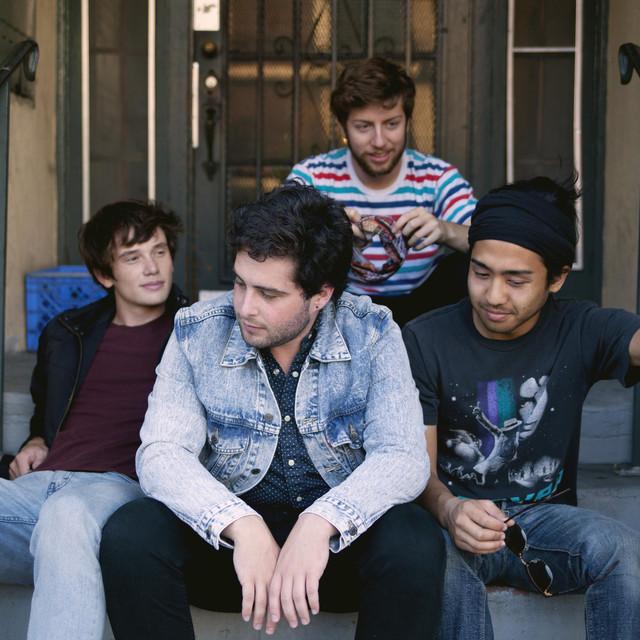
No No Yeah Okay’s Spotify BioThe Milwaukee-based genre melting pot, No No Yeah Okay, took form in 2014 when Mark Gage (producer) and Christopher Quasius (guitar) would casually jam in-between weekend beers. As their library grew, they sought out friends Colin Plant (vocals) and Joshua Paynter (bass) to help turn interesting samples into songs with depth. Their goal was to discover how each of their four unique musical backgrounds could collide to build a project.
In 2015, No No Yeah Okay released their EP, ‘Dual’. Through the stylistic twist and turns of each member’s influence, No No Yeah Okay had quickly become established as a unique sonic presence, delivered by an elevated focus on aesthetics and narrative substance.
For a group still discovering their own identity, the attention on No No Yeah Okay awarded them with opportunities to take their sound to larger than life stages, encountering everything from Summerfest to NBA halftime shows to signing with LA-based independent label, Little Assembly, in 2017.
As No… No Yeah Okay release their follow up EP, ‘Cabal’, the band showcases their maturity as artists. Similar to their previous EP, ‘Cabal’ also centers around a deceptively common yet personally experienced narrative.
Viberate is a music analytics platform built for A&Rs, artist managers, labels, booking agents, marketers, and artists.
It helps music professionals track artist growth, analyze audience data, monitor playlist activity, compare artists, follow song performance, and identify opportunities across the music market.
Public artist pages provide a free preview of selected artist data. Paid plans provide access to deeper analytics, historical data, charts, comparisons, playlist tools, exports, alerts, reports, and additional professional features.
Yes. Public Viberate artist pages provide selected artist analytics and music data for free.
Viberate also offers a 7-day free trial of the full platform. A credit card is required to start the trial. The trial includes access to the complete product so users can test deeper artist analytics, historical views, playlist insights, comparisons, charts, exports, alerts, and reporting features before choosing a paid plan.
Viberate provides artist analytics across streaming, playlists, social media, video, radio airplay, songs, and audience markets.
Users can analyze Spotify performance, Spotify and Apple Music playlists, YouTube activity, TikTok and Instagram growth, radio spins, song performance, audience locations, demographics, rankings, and overall artist momentum.
Artist profiles also connect to music charts, similar artists, and comparison tools, helping users benchmark performance and evaluate artists in context.
Viberate updates key artist and track data daily.
For followed artists and tracks, selected data is refreshed multiple times per day. This helps teams monitor playlist changes, streaming movement, audience growth, releases, and campaign performance with more current data.
Update frequency can vary depending on the metric and data source.
Yes. Viberate lets users compare up to five artists side by side across streaming, social media, audience, and engagement metrics.
Users can compare fanbase growth, audience demographics, locations, Spotify performance, social metrics, and other artist data over selected time periods.
Artist comparison can be used for A&R scouting, benchmarking, booking decisions, campaign planning, and evaluating artists with similar audiences or market positions.