No Motiv

Punk
Pop Punk
Skate Punk
 Viberate Rank: 252736
 Viberate Rank: 252736
 Monthly ListenersFollowers
 Subscribers
 Followers
 Followers
 FansTop Spotify Songs
| Track | 7-Day Streams | |
|---|---|---|
1 | 9.07K | |
2 | 726 | |
3 | 440 | |
4 | 366 | |
5 | 361 |
Top YouTube Videos| Video | 7-Day Views | |
|---|---|---|
1 | 2 |
Monthly ListenersFeatured in Playlists| Playlist | Followers | |
|---|---|---|
1 |  Burnout 3: Takedown Soundtrack Mario Dominguez | 80.12K |
2 |  90's, Punk Rock and Throwbacks Jason | 20.61K |
3 | Burnout 3: Takedown🔥 Christina Bråten | 18.52K |
4 |  College Rock Lukas Müller | 6.48K |
5 | NASCAR RACE DAY! joesanchez96 | 5.01K |
Audience| City | Monthly Listeners | |
|---|---|---|
1 |  | 611 |
2 |  | 514 |
3 |  | 336 |
4 | | 315 |
5 | | 295 |
See full performance history, audience data, playlist activity, rankings, comparisons, and more in Viberate music analytics. Start with a free trial, then continue with a paid plan.
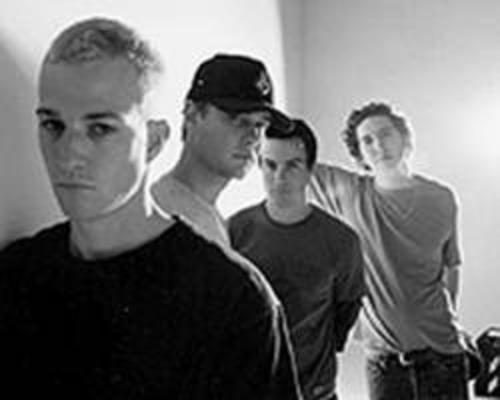
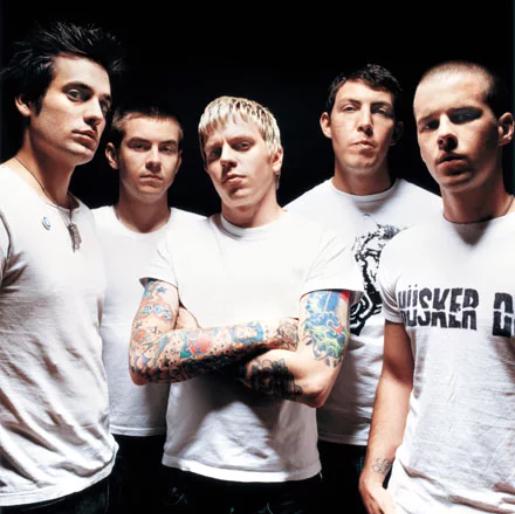
No Motiv’s Spotify BioA punk-pop quartet from Oxnard, CA, No Motiv specialize in the sort of personal introspection and emotional catharsis that defines the subgenre known as emocore. They released two albums on Edge Records, Cynical and Scarred, and soon became one of the first bands to sign to the then-fledgling Vagrant Records. No Motiv continued their recording career by contributing songs to films and to Vagrant's Five Years on the Streets compilation. The latter in particular set the stage for No Motiv's Vagrant label debut album; And the Sadness Prevails was released in early 1999. Ten tours and two years later, Diagram for Healing, produced by Face to Face's Trever Keith, was issued in spring 2001. Lineup changes ensued before the release of the Lola EP in June 2003, and January of the following year saw the darker, more mature effort of Daylight Breaking. By this time, No Motiv consisted of Max McDonald (vocals, guitar), Jeremy Palaszewski (vocals, guitar), Jeff Hershey (bass), and Roger Camero… (drums). ~ Steve Huey, Rovi
Viberate is a music analytics platform built for A&Rs, artist managers, labels, booking agents, marketers, and artists.
It helps music professionals track artist growth, analyze audience data, monitor playlist activity, compare artists, follow song performance, and identify opportunities across the music market.
Public artist pages provide a free preview of selected artist data. Paid plans provide access to deeper analytics, historical data, charts, comparisons, playlist tools, exports, alerts, reports, and additional professional features.
Yes. Public Viberate artist pages provide selected artist analytics and music data for free.
Viberate also offers a 7-day free trial of the full platform. A credit card is required to start the trial. The trial includes access to the complete product so users can test deeper artist analytics, historical views, playlist insights, comparisons, charts, exports, alerts, and reporting features before choosing a paid plan.
Viberate provides artist analytics across streaming, playlists, social media, video, radio airplay, songs, and audience markets.
Users can analyze Spotify performance, Spotify and Apple Music playlists, YouTube activity, TikTok and Instagram growth, radio spins, song performance, audience locations, demographics, rankings, and overall artist momentum.
Artist profiles also connect to music charts, similar artists, and comparison tools, helping users benchmark performance and evaluate artists in context.
Viberate updates key artist and track data daily.
For followed artists and tracks, selected data is refreshed multiple times per day. This helps teams monitor playlist changes, streaming movement, audience growth, releases, and campaign performance with more current data.
Update frequency can vary depending on the metric and data source.
Yes. Viberate lets users compare up to five artists side by side across streaming, social media, audience, and engagement metrics.
Users can compare fanbase growth, audience demographics, locations, Spotify performance, social metrics, and other artist data over selected time periods.
Artist comparison can be used for A&R scouting, benchmarking, booking decisions, campaign planning, and evaluating artists with similar audiences or market positions.