No Innocent Victim

Punk
Hardcore Punk
Hardstyle/Hardcore
 Viberate Rank: 330342
 Viberate Rank: 330342
 Monthly ListenersFollowers
 Subscribers
 Followers
 Followers
 FansTop Spotify Songs
| Track | 7-Day Streams | |
|---|---|---|
1 | 462 | |
2 | 332 | |
3 | 328 | |
4 | 268 | |
5 | 157 |
Top YouTube VideosMonthly ListenersFeatured in Playlists| Playlist | Followers | |
|---|---|---|
1 |  The Sound of Everything The Sounds of Spotify | 53.83K |
2 |  hardcore. Tehuringa | 27.01K |
3 |  Early Metalcore (1989 - 2002) Antonio Leal Filho | 3.41K |
4 | NYHC-Beatdown-Old School Hardcore-Metalcore Lap819 | 2.33K |
5 | What killed Christian-core? The Punk Rock MBA finnmckenty | 2.11K |
Audience| City | Monthly Listeners | |
|---|---|---|
1 | | 69 |
2 | | 47 |
3 | | 42 |
4 | | 41 |
5 | | 38 |
See full performance history, audience data, playlist activity, rankings, comparisons, and more in Viberate music analytics. Start with a free trial, then continue with a paid plan.
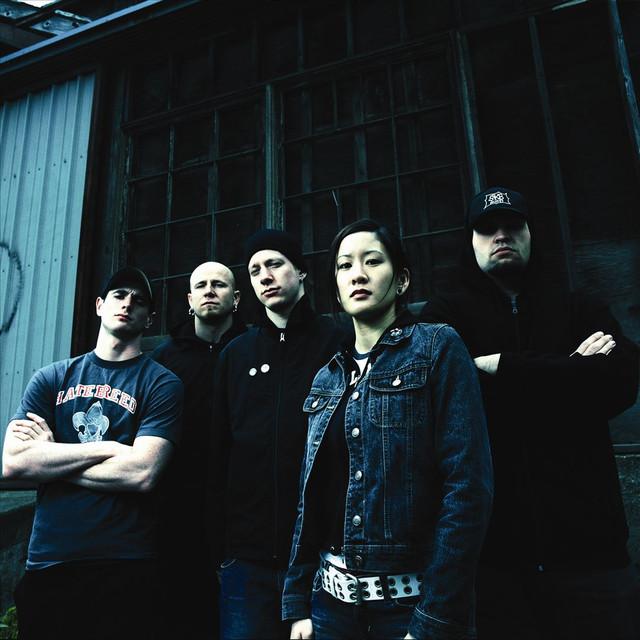
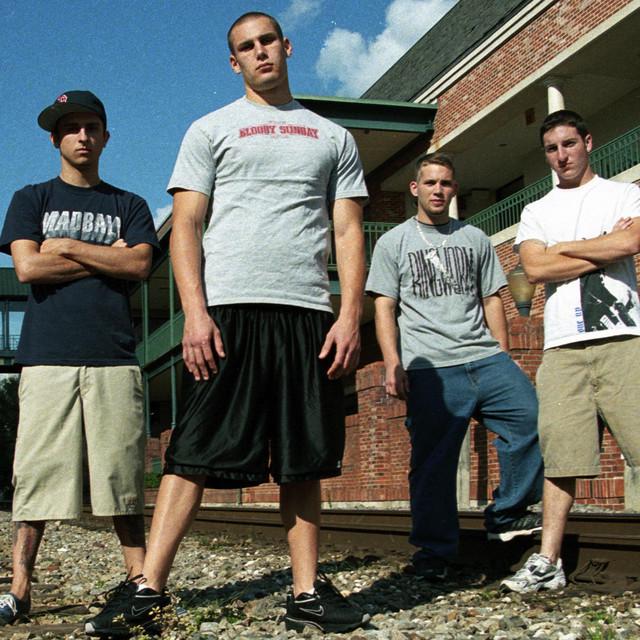
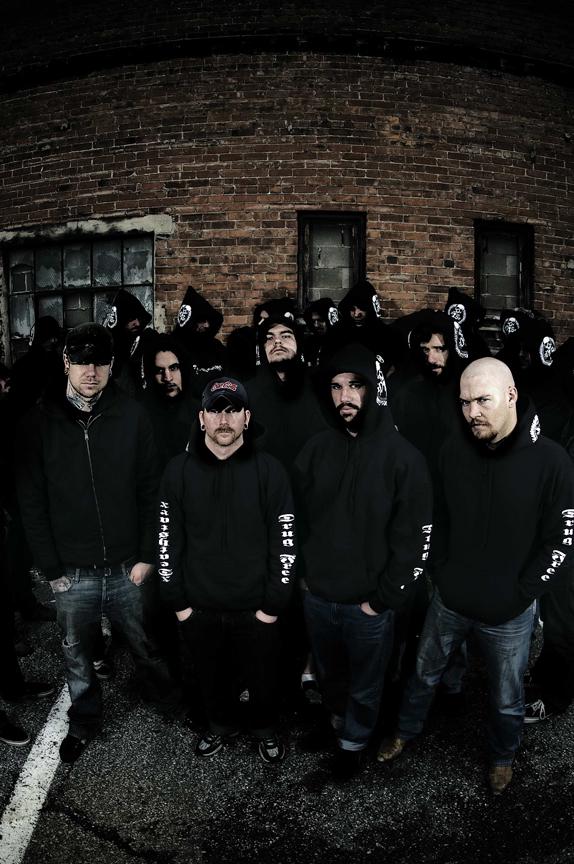
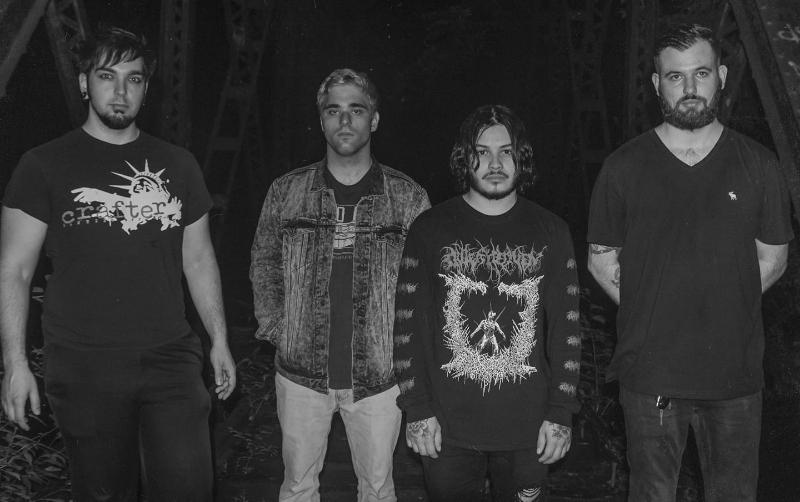
No Innocent Victim’s Spotify BioStarting off in 1992, No Innocent Victim took their hometown of San Diego by surprise by importing the sounds of old school East Coast hardcore to the shores of South Beach California. Under the influences of Youth of Today, Agnostic Front and Sick of it All, NIV also add their own touch of metallic, chugga-chugga guitar mix and an extra inspiration from the big guy upstairs. With being one of the few Christian hardcore bands sucking up all the attention from those who saw the light and non-believers, their 1995 debut "Strength" was released by Rescue Records followed by "No Compromise" two years later. Several tours of North America later and a deal with Victory Records, "Flesh And Blood" came out in 1999 making No Innocent Victim the only other Victory band from California band (aside from Strife of course). ~ Mike DaRonco, Rovi
Viberate is a music analytics platform built for A&Rs, artist managers, labels, booking agents, marketers, and artists.
It helps music professionals track artist growth, analyze audience data, monitor playlist activity, compare artists, follow song performance, and identify opportunities across the music market.
Public artist pages provide a free preview of selected artist data. Paid plans provide access to deeper analytics, historical data, charts, comparisons, playlist tools, exports, alerts, reports, and additional professional features.
Yes. Public Viberate artist pages provide selected artist analytics and music data for free.
Viberate also offers a 7-day free trial of the full platform. A credit card is required to start the trial. The trial includes access to the complete product so users can test deeper artist analytics, historical views, playlist insights, comparisons, charts, exports, alerts, and reporting features before choosing a paid plan.
Viberate provides artist analytics across streaming, playlists, social media, video, radio airplay, songs, and audience markets.
Users can analyze Spotify performance, Spotify and Apple Music playlists, YouTube activity, TikTok and Instagram growth, radio spins, song performance, audience locations, demographics, rankings, and overall artist momentum.
Artist profiles also connect to music charts, similar artists, and comparison tools, helping users benchmark performance and evaluate artists in context.
Viberate updates key artist and track data daily.
For followed artists and tracks, selected data is refreshed multiple times per day. This helps teams monitor playlist changes, streaming movement, audience growth, releases, and campaign performance with more current data.
Update frequency can vary depending on the metric and data source.
Yes. Viberate lets users compare up to five artists side by side across streaming, social media, audience, and engagement metrics.
Users can compare fanbase growth, audience demographics, locations, Spotify performance, social metrics, and other artist data over selected time periods.
Artist comparison can be used for A&R scouting, benchmarking, booking decisions, campaign planning, and evaluating artists with similar audiences or market positions.