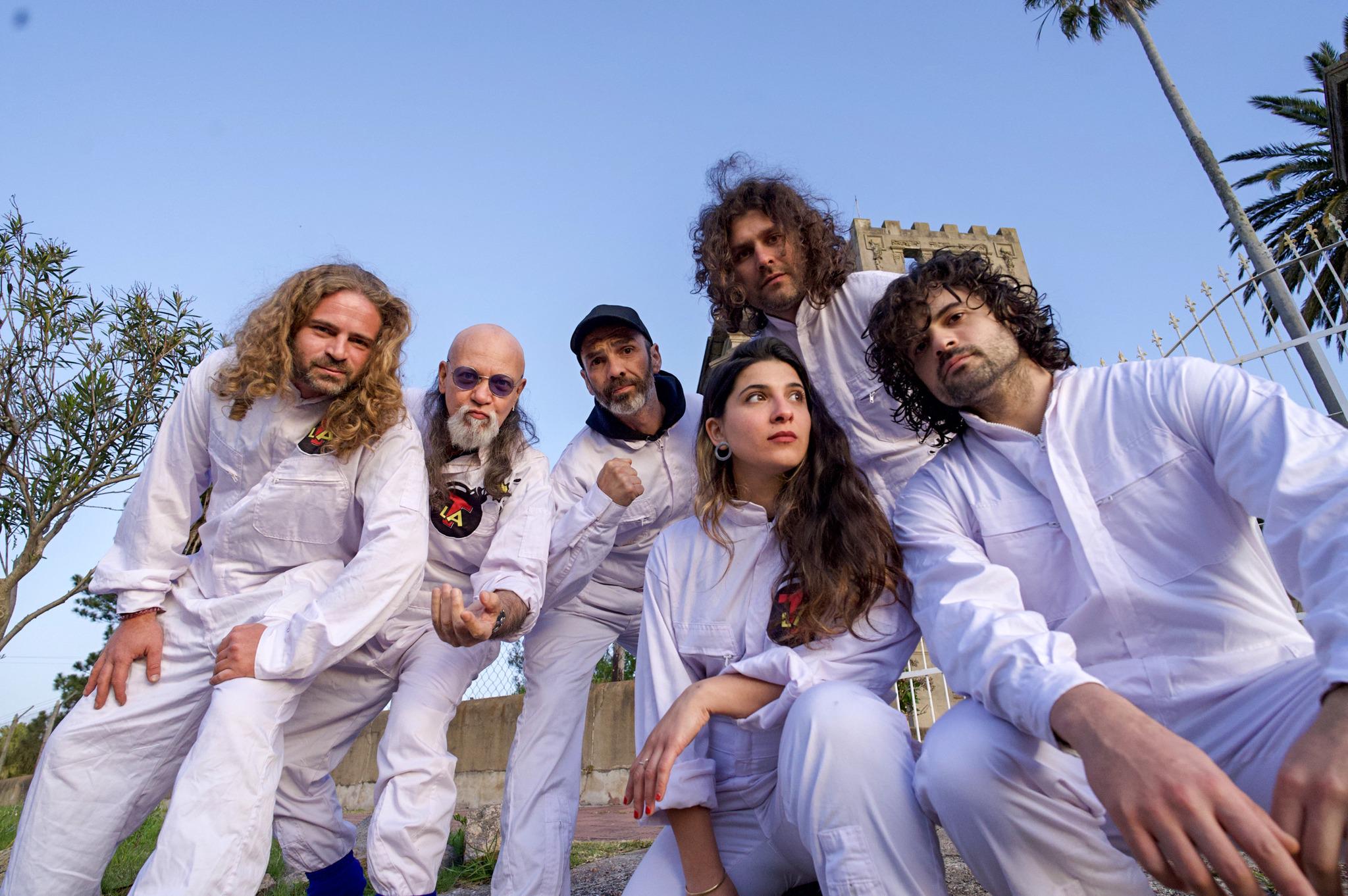
Niquel

Rock
Pop Rock
Folk Rock
 Viberate Rank: 215770
 Viberate Rank: 215770
 Monthly ListenersFollowers
 Subscribers
 Followers
 Followers
 FansTop Spotify Songs
| Track | 7-Day Streams | |
|---|---|---|
1 | 2.27K | |
2 | 1.34K | |
3 | 591 | |
4 | 456 | |
5 | 435 |
Top YouTube VideosMonthly ListenersFeatured in Playlists| Playlist | Followers | |
|---|---|---|
1 |  Rock Argentino 80-90's Alexis Lapaz | 12.08K |
2 |  Emi - En español ntvgweb | 5.26K |
3 | Murga Uruguaya joanezin | 5.16K |
4 |  Rock Uruguayo - Playlist Oficial Montevideo Music | 3.18K |
5 |  Hacha, tiza y mostrador johndwzrd | 3.16K |
Audience| City | Monthly Listeners | |
|---|---|---|
1 |  | 5.23K |
2 | | 374 |
3 | | 141 |
4 |  | 65 |
5 |  | 54 |
See full performance history, audience data, playlist activity, rankings, comparisons, and more in Viberate music analytics. Start with a free trial, then continue with a paid plan.
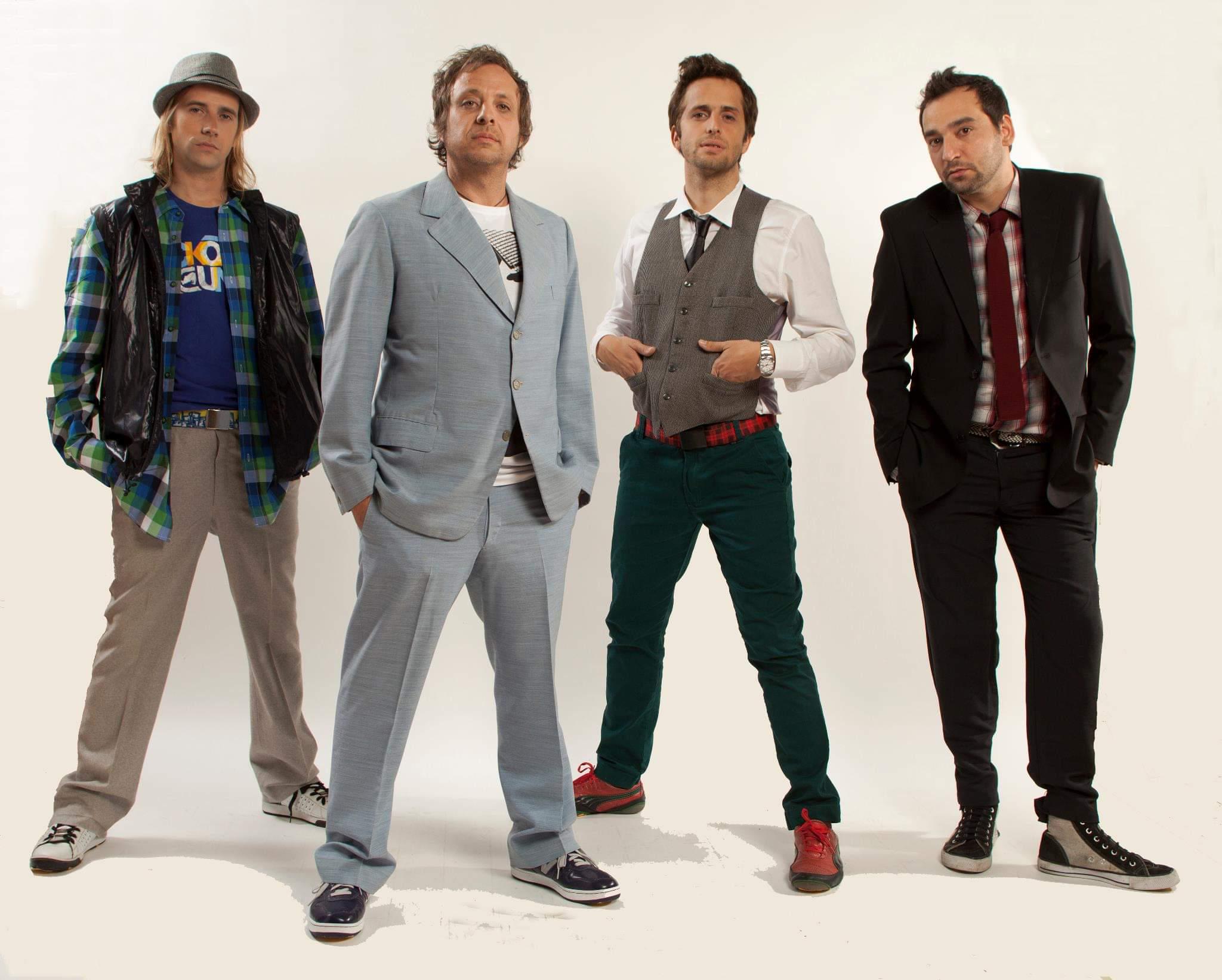
Niquel’s Spotify BioNiquel se formó en 1986 por el cantante, bajista y compositor Jorge Nasser y el guitarrista Pablo Faragó, quienes se unieron al baterista Claudio Cabral y la tecladista Estela Magnone. Hicieron su debut en una compilación llamada Rock 3, con "Héroes porteños", seguido de "Niquel" su álbum debut, lanzado en 1988. Ese mismo año, el grupo abrió para Gene Loves Jezebel. Después de editar "Gusano Loco" en 1989, Níquel se presentó por primera vez en Buenos Aires, Argentina. En 1990, crean su sello propio sello: Gargoland Grabaciones y editan "Gargoland Acto l" y en 1991 "Gargoland Acto ll" donde terminan de moldear su sonido, en ése año también MTV Latino comenzó a rotar los videos de la banda, "Gusano Loco "y" Candombe de la Aduana ". Casi al mismo tiempo, Níquel actuó en el Teatro Solís de Montevideo, tocando versiones de rock clásico uruguayo de los años 70, un exitoso espectáculo y un disco de estudio para el sello Sondor bajo el nombre de "De Memoria". En 1992 realizan y registran… "Niquel Acústico" siendo pioneros de ése formato. Empiezan las giras por todo el país y su éxito va en aumento. En 1993 graban para Orfeo "¡Buena Caballo!" y el espectáculo "Niquel Sinfónico". En el "94" Amo este lugar "y" Pueblo Chico, Infierno Grande "(1996) junto a los compilados" Primate "1 y 2 y" Prueba viviente "(2000) completan su discografía. . En 2020 Niquel volvió a rockear !!!
Viberate is a music analytics platform built for A&Rs, artist managers, labels, booking agents, marketers, and artists.
It helps music professionals track artist growth, analyze audience data, monitor playlist activity, compare artists, follow song performance, and identify opportunities across the music market.
Public artist pages provide a free preview of selected artist data. Paid plans provide access to deeper analytics, historical data, charts, comparisons, playlist tools, exports, alerts, reports, and additional professional features.
Yes. Public Viberate artist pages provide selected artist analytics and music data for free.
Viberate also offers a 7-day free trial of the full platform. A credit card is required to start the trial. The trial includes access to the complete product so users can test deeper artist analytics, historical views, playlist insights, comparisons, charts, exports, alerts, and reporting features before choosing a paid plan.
Viberate provides artist analytics across streaming, playlists, social media, video, radio airplay, songs, and audience markets.
Users can analyze Spotify performance, Spotify and Apple Music playlists, YouTube activity, TikTok and Instagram growth, radio spins, song performance, audience locations, demographics, rankings, and overall artist momentum.
Artist profiles also connect to music charts, similar artists, and comparison tools, helping users benchmark performance and evaluate artists in context.
Viberate updates key artist and track data daily.
For followed artists and tracks, selected data is refreshed multiple times per day. This helps teams monitor playlist changes, streaming movement, audience growth, releases, and campaign performance with more current data.
Update frequency can vary depending on the metric and data source.
Yes. Viberate lets users compare up to five artists side by side across streaming, social media, audience, and engagement metrics.
Users can compare fanbase growth, audience demographics, locations, Spotify performance, social metrics, and other artist data over selected time periods.
Artist comparison can be used for A&R scouting, benchmarking, booking decisions, campaign planning, and evaluating artists with similar audiences or market positions.