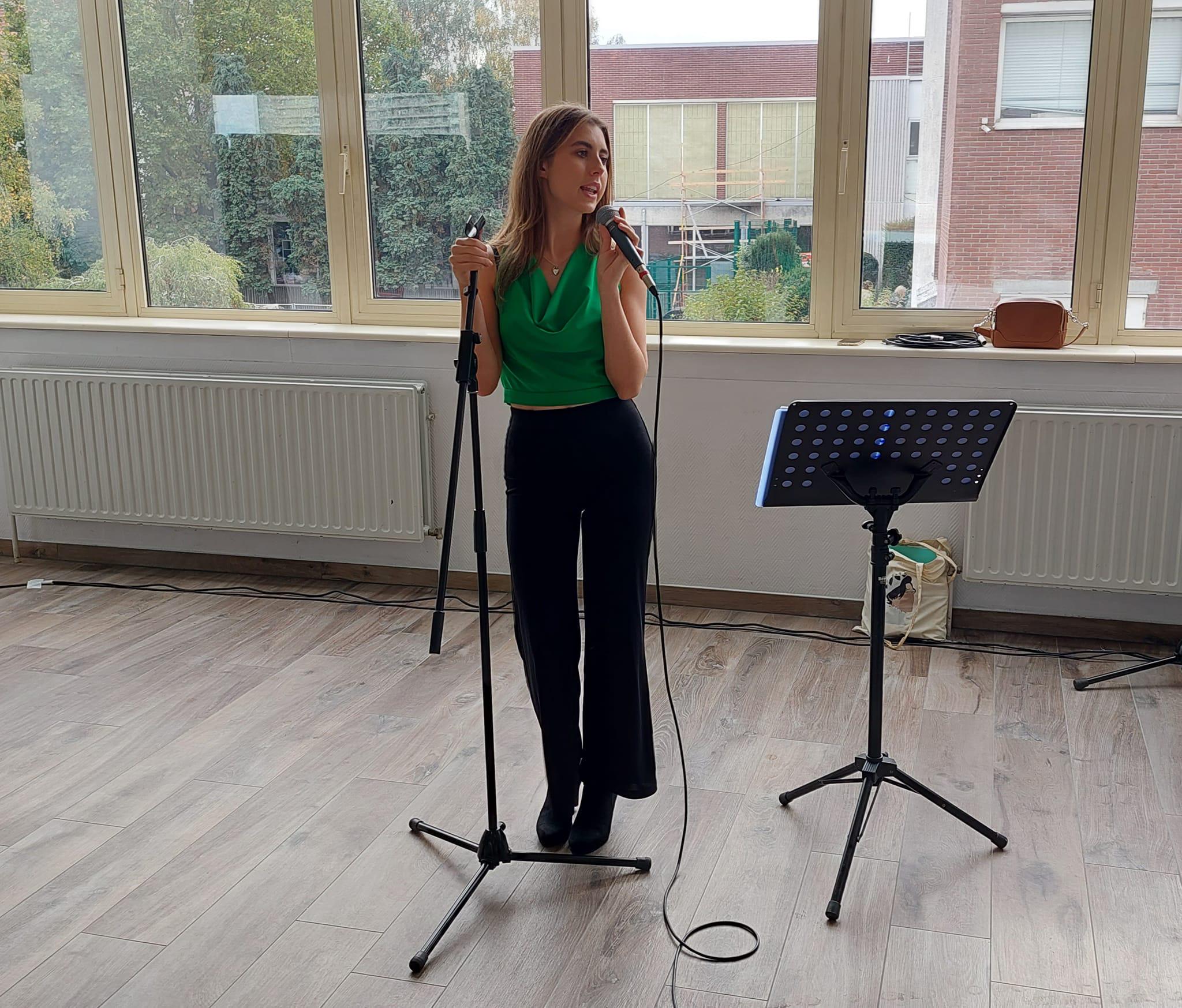
Nina Butera

Pop
Indie Pop
 Viberate Rank: 386009
 Viberate Rank: 386009
 Monthly ListenersFollowers
 Subscribers
 Followers
 Followers
 FansTop Spotify Songs
| Track | 7-Day Streams | |
|---|---|---|
1 | 42 | |
2 | 23 | |
3 | 14 | |
4 | 7 | |
5 | 6 |
Top YouTube VideosMonthly ListenersFeatured in Playlists| Playlist | Followers | |
|---|---|---|
1 | Nederlandstalige hits 2021 Rony Heuvelmans | 1.52K |
Audience| City | Monthly Listeners | |
|---|---|---|
1 | | 21 |
2 | | 15 |
3 | | 6 |
4 | | 5 |
5 | | 5 |
See full performance history, audience data, playlist activity, rankings, comparisons, and more in Viberate music analytics. Start with a free trial, then continue with a paid plan.
Nina Butera’s Spotify BioNina Butera werd op 18 februari 2004 geboren in Halle. Haar familienaam verklapt haar Siciliaanse roots en toch voelt ze zich op en top Belgische. Ze volgt van jongs af aan zangles en komt op haar 12de in contact met Christophe Severs, de zoon van Paul Severs. Hij geeft haar initieel enkel les en wordt na enige tijd ook haar producer, schrijft haar liedjes en wordt haar manager samen met haar vader.
In 2017 releaset ze haar eerste song “Dancing on my own” (een cover van Robyn) dat eigenlijk een demo’tje was, maar door de lovende reacties beslist ze om verder liedjes te maken maar voortaan Nederlandstalige pop. In 2017 en 2018 komen haar eerste Nederlandstalige popsongs op de markt. Elke song doet het steeds beter dan de vorige en intussen haalt ze de top 20 van de Vlaamse Ultratop. Maar in 2019 slaat het noodlot toe… Paul Severs overlijdt onverwachts en als eerbetoon, releaset ze “Terug Bij Mij”, een nummer van de hand van Christophe. Hiermee breekt ze definitief door in heel Vlaanderen… en ook Nederland begint haar te ontdekken. Het blijft in stijgende lijn gaan ook en eind 2019 wint ze ook haar eerste grote prijs, namelijk de “Loftrompet” voor beste doorbraak.
In 2020, schrijft ze voor het eerst zelf mee aan “Van Vooraf Aan”, dat zelfs één van de 10 genomineerden is in het prestigieuze “Radio2 Zomerhit”. Ze droomde van een top 10 plaats in de Ultratop en met deze single lukt het ook.
Viberate is a music analytics platform built for A&Rs, artist managers, labels, booking agents, marketers, and artists.
It helps music professionals track artist growth, analyze audience data, monitor playlist activity, compare artists, follow song performance, and identify opportunities across the music market.
Public artist pages provide a free preview of selected artist data. Paid plans provide access to deeper analytics, historical data, charts, comparisons, playlist tools, exports, alerts, reports, and additional professional features.
Yes. Public Viberate artist pages provide selected artist analytics and music data for free.
Viberate also offers a 7-day free trial of the full platform. A credit card is required to start the trial. The trial includes access to the complete product so users can test deeper artist analytics, historical views, playlist insights, comparisons, charts, exports, alerts, and reporting features before choosing a paid plan.
Viberate provides artist analytics across streaming, playlists, social media, video, radio airplay, songs, and audience markets.
Users can analyze Spotify performance, Spotify and Apple Music playlists, YouTube activity, TikTok and Instagram growth, radio spins, song performance, audience locations, demographics, rankings, and overall artist momentum.
Artist profiles also connect to music charts, similar artists, and comparison tools, helping users benchmark performance and evaluate artists in context.
Viberate updates key artist and track data daily.
For followed artists and tracks, selected data is refreshed multiple times per day. This helps teams monitor playlist changes, streaming movement, audience growth, releases, and campaign performance with more current data.
Update frequency can vary depending on the metric and data source.
Yes. Viberate lets users compare up to five artists side by side across streaming, social media, audience, and engagement metrics.
Users can compare fanbase growth, audience demographics, locations, Spotify performance, social metrics, and other artist data over selected time periods.
Artist comparison can be used for A&R scouting, benchmarking, booking decisions, campaign planning, and evaluating artists with similar audiences or market positions.