Niña

Rock
Indie Rock
Indie Pop
Folk Rock
 Viberate Rank: 125694
 Viberate Rank: 125694
 Monthly ListenersFollowers
 Subscribers
 Followers
 Followers
 FansTop Spotify Songs
| Track | 7-Day Streams | |
|---|---|---|
1 | 3.69K | |
2 | 2.98K | |
3 | 2.14K | |
4 | 920 | |
5 | 541 |
Top YouTube VideosMonthly ListenersFeatured in Playlists| Playlist | Followers | |
|---|---|---|
1 |  Indie Mexicano: Clásicos Spotify | 186.19K |
2 | Zoé, DLD, Café Tacuba, Telefunka, Caifanes, Amigos Invisibles Karla de la Cruz | 26.22K |
3 |  Intercambio Musical | Audífono Audífono | 18.32K |
4 | Rock Español México KLM arq.reynoso | 13.50K |
5 | leoncio.ortega | 12.50K |
Audience| City | Monthly Listeners | |
|---|---|---|
1 | | 7.60K |
2 | | 682 |
3 | | 510 |
4 | | 488 |
5 | | 423 |
See full performance history, audience data, playlist activity, rankings, comparisons, and more in Viberate music analytics. Start with a free trial, then continue with a paid plan.
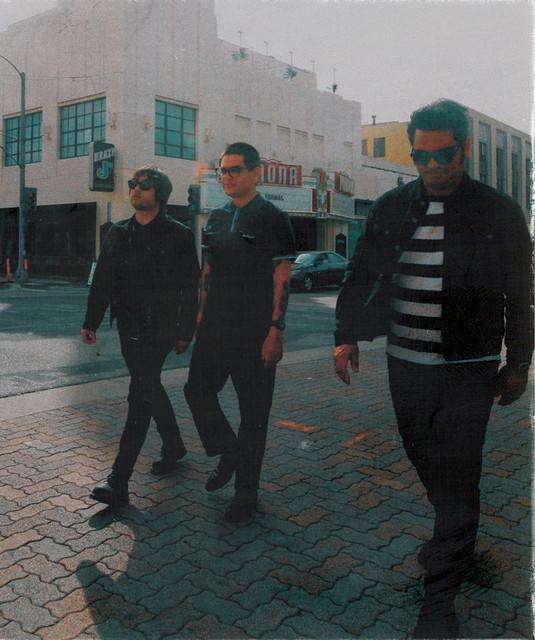
Niña’s Spotify BioNIÑA es una banda mexicana de indie rock originaria de Monterrey, Nuevo León. Formada a finales de 1996 por Alejandro Isassi ( Chajoe ) . NIÑA es uno de los proyectos pioneros de la cultura independiente DIY en México, parte del sello Happy-fi. NIÑA cuenta con una familia de integrantes de la escena nacional mexicana de los años 90s y 2000s de bandas como Jumbo, Zurdok, Plastilina Mosh, Control Machete, Resorte, Quiero Club, División Minúscula, D3ndron y Kinky. En la actualidad NIÑA está formado por Alejandro Isassi, Luigi Marchetti y Alan Erre.
ENGLISH
NIÑA is a Mexican indie rock band from Monterrey, Nuevo León. Formed back in 1996 by Alejandro Isassi (Chajoe). NIÑA is one of the pioneer acts of the independent DIY culture in Mexico, signed to the indie label Happy-fi. NIÑA has a family of members from the 90s and 2000s Mexican music scene, bands like Jumbo, Zurdok, Plastilina Mosh, Control Machete, Resorte, Quiero Club, División Minúscula, D3ndron y Kinky. NIÑA is currently made up of… Alejandro Isassi, Luigi Marchetti, Alan Robles and Enrique Camacho.
Viberate is a music analytics platform built for A&Rs, artist managers, labels, booking agents, marketers, and artists.
It helps music professionals track artist growth, analyze audience data, monitor playlist activity, compare artists, follow song performance, and identify opportunities across the music market.
Public artist pages provide a free preview of selected artist data. Paid plans provide access to deeper analytics, historical data, charts, comparisons, playlist tools, exports, alerts, reports, and additional professional features.
Yes. Public Viberate artist pages provide selected artist analytics and music data for free.
Viberate also offers a 7-day free trial of the full platform. A credit card is required to start the trial. The trial includes access to the complete product so users can test deeper artist analytics, historical views, playlist insights, comparisons, charts, exports, alerts, and reporting features before choosing a paid plan.
Viberate provides artist analytics across streaming, playlists, social media, video, radio airplay, songs, and audience markets.
Users can analyze Spotify performance, Spotify and Apple Music playlists, YouTube activity, TikTok and Instagram growth, radio spins, song performance, audience locations, demographics, rankings, and overall artist momentum.
Artist profiles also connect to music charts, similar artists, and comparison tools, helping users benchmark performance and evaluate artists in context.
Viberate updates key artist and track data daily.
For followed artists and tracks, selected data is refreshed multiple times per day. This helps teams monitor playlist changes, streaming movement, audience growth, releases, and campaign performance with more current data.
Update frequency can vary depending on the metric and data source.
Yes. Viberate lets users compare up to five artists side by side across streaming, social media, audience, and engagement metrics.
Users can compare fanbase growth, audience demographics, locations, Spotify performance, social metrics, and other artist data over selected time periods.
Artist comparison can be used for A&R scouting, benchmarking, booking decisions, campaign planning, and evaluating artists with similar audiences or market positions.