Nightwing

Metal
Heavy Metal
Speed Metal
 Viberate Rank: 379639
 Viberate Rank: 379639
 Monthly ListenersFollowers
 Subscribers
 Followers
 Followers
 FansTop Spotify Songs
| Track | 7-Day Streams | |
|---|---|---|
1 | 140 | |
2 | 55 | |
3 | 55 | |
4 | 55 | |
5 | 28 |
Top YouTube VideosMonthly ListenersFeatured in Playlists| Playlist | Followers | |
|---|---|---|
1 |  NWOBHM Classics 🔥🔥 Abdurahman Muuse | 10.80K |
2 |  Rock Loft Music | 6.24K |
3 |  NWOBHM 1978-1983 Edwin Roelans | 2.45K |
4 | The Best of Heavy and Hard Rock 80's 90's Pablo Colinet | 1.81K |
5 |  NWOBHM Ruthless Metal | 1.73K |
Audience| City | Monthly Listeners | |
|---|---|---|
1 |  | 18 |
2 |  | 16 |
3 |  | 16 |
4 |  | 10 |
5 |  | 9 |
See full performance history, audience data, playlist activity, rankings, comparisons, and more in Viberate music analytics. Start with a free trial, then continue with a paid plan.
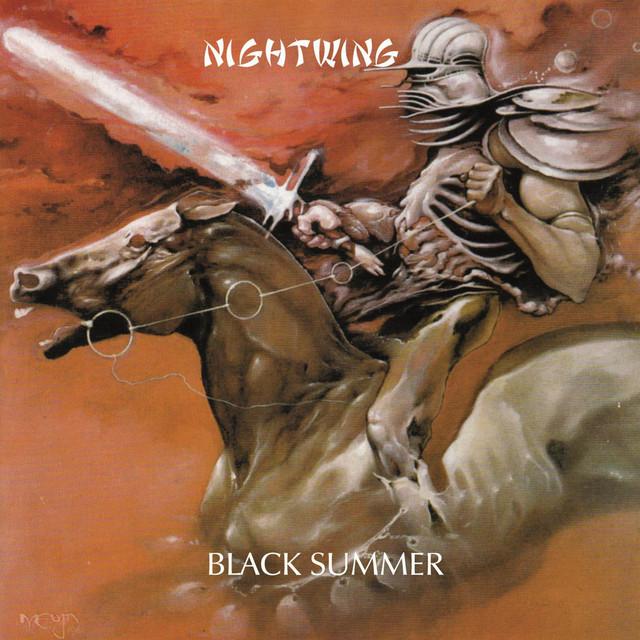
Nightwing’s Spotify BioAfter the demise of UK band Strife in 1978, bass player/vocalist Gordon Rowley formed Nightwing, with Alec Johnson (guitar), Eric Percival (guitar), Kenny Newton (keyboards) and Steve Bartley (drums). They debuted in 1980 with Something In The Air, a grandiose AOR album in the style of Styx, Kansas or Journey. Percival quit shortly after its release, and the band continued as a four-piece to record Black Summer. This moved towards a more metallic style, in keeping with the New Wave Of British Heavy Metal, which was in full swing at the time. The band expanded once more to a five-piece with the arrival of vocalist Max Bacon for the rawer Stand Up And Be Counted. Bacon’s stay was short-lived as he moved on to Bronz, with Johnson also breaking ranks soon afterwards. Dave Evans and Glynn Porrino were swiftly recruited to fill in on vocals and guitar, but their compositional abilities failed to match those of Johnson. Consequently, My Kingdom Come represented the nadir of the band’s… creative capabilities. Nightwing were clearly in their death throes and finally resigned hope after the disappointing Night Of Mystery, Alive!, Alive!
Viberate is a music analytics platform built for A&Rs, artist managers, labels, booking agents, marketers, and artists.
It helps music professionals track artist growth, analyze audience data, monitor playlist activity, compare artists, follow song performance, and identify opportunities across the music market.
Public artist pages provide a free preview of selected artist data. Paid plans provide access to deeper analytics, historical data, charts, comparisons, playlist tools, exports, alerts, reports, and additional professional features.
Yes. Public Viberate artist pages provide selected artist analytics and music data for free.
Viberate also offers a 7-day free trial of the full platform. A credit card is required to start the trial. The trial includes access to the complete product so users can test deeper artist analytics, historical views, playlist insights, comparisons, charts, exports, alerts, and reporting features before choosing a paid plan.
Viberate provides artist analytics across streaming, playlists, social media, video, radio airplay, songs, and audience markets.
Users can analyze Spotify performance, Spotify and Apple Music playlists, YouTube activity, TikTok and Instagram growth, radio spins, song performance, audience locations, demographics, rankings, and overall artist momentum.
Artist profiles also connect to music charts, similar artists, and comparison tools, helping users benchmark performance and evaluate artists in context.
Viberate updates key artist and track data daily.
For followed artists and tracks, selected data is refreshed multiple times per day. This helps teams monitor playlist changes, streaming movement, audience growth, releases, and campaign performance with more current data.
Update frequency can vary depending on the metric and data source.
Yes. Viberate lets users compare up to five artists side by side across streaming, social media, audience, and engagement metrics.
Users can compare fanbase growth, audience demographics, locations, Spotify performance, social metrics, and other artist data over selected time periods.
Artist comparison can be used for A&R scouting, benchmarking, booking decisions, campaign planning, and evaluating artists with similar audiences or market positions.