Nightmares For A Week

Rock
Indie Rock
Alternative Rock
Punk Rock
 Viberate Rank: 502026
 Viberate Rank: 502026
 Monthly ListenersFollowers
 Subscribers
 Followers
 Followers
 FansTop Spotify Songs
| Track | 7-Day Streams | |
|---|---|---|
1 | 34 | |
2 | 7 | |
3 | 7 | |
4 | 6 | |
5 | 5 |
Top YouTube VideosMonthly ListenersFeatured in Playlists| Playlist | Followers | |
|---|---|---|
1 |  The Best in New Punk | UPDATED FRIDAYS | Menzingers | Against Me | Spanish Love Songs The Best in New Punk | 1.73K |
Audience| City | Monthly Listeners | |
|---|---|---|
1 |  | 8 |
2 | | 6 |
3 |  | 5 |
4 | | 4 |
5 |  | 4 |
See full performance history, audience data, playlist activity, rankings, comparisons, and more in Viberate music analytics. Start with a free trial, then continue with a paid plan.
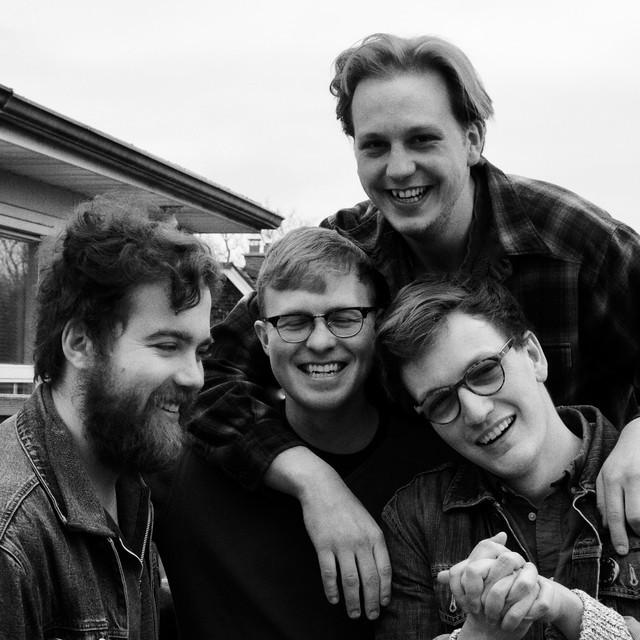
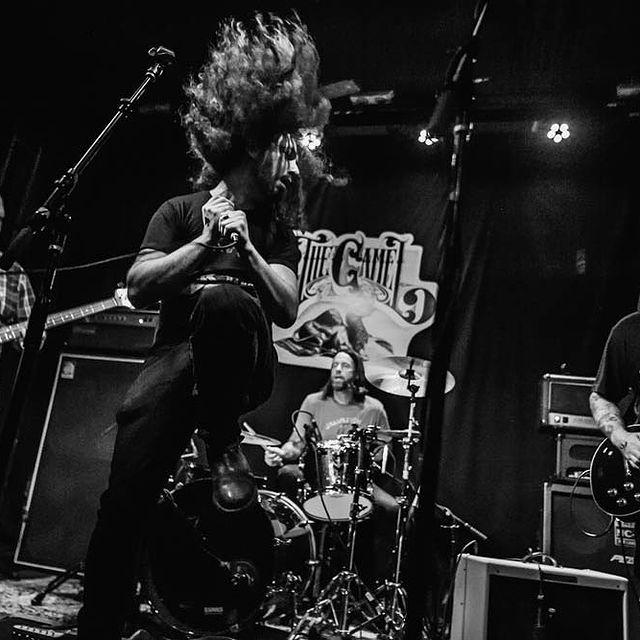
Nightmares For A Week’s Spotify BioNightmares For A Week (Kingston, NY) started in 2008 over some beers on the back porch and a few old friends. NFAW released their debut EP, A Flood Tomorrow in 2009 via Music For End Times/Broken English Records. Named as one of Alternative Press magazine’s 100 Bands to Watch in 2010, NFAW released their debut LP, Don't Die in late 2010 which featured guest appearances from Walter Schreifels ( Gorilla Biscuits, Quicksand , Rival Schools ) and James Felice ( The Felice Brothers ) on now defunct Brooklyn-based label, Academy Fight Song. 2011 saw the release of a brand new track entitled "Doomsday Party" that appeared on a split 7" with veteran indie rockers Joshua (Doghouse Records) as the debut release by Miami, FL label Limited Fanfare. A year later in 2012, the band released the Nightmares For A Week + Nightmare Of You split via Paper + Plastick Records, founded by Less Than Jake drummer Vinnie Fiorello. In 2013, the band released their much acclaimed Sophomore LP, Civilian War via… Suburban Home Records ( Drag The River , Joey Cape , Tim Barry ). The next year, in 2014, NFAW teamed up with Black Numbers Records and released a split 12" with New Jersey's Banquets . 2018 saw the release of Nightmares for a Week’s third full length LP, Celebrations. It was the band’s first full length release since 2013’s Civilian War.
Viberate is a music analytics platform built for A&Rs, artist managers, labels, booking agents, marketers, and artists.
It helps music professionals track artist growth, analyze audience data, monitor playlist activity, compare artists, follow song performance, and identify opportunities across the music market.
Public artist pages provide a free preview of selected artist data. Paid plans provide access to deeper analytics, historical data, charts, comparisons, playlist tools, exports, alerts, reports, and additional professional features.
Yes. Public Viberate artist pages provide selected artist analytics and music data for free.
Viberate also offers a 7-day free trial of the full platform. A credit card is required to start the trial. The trial includes access to the complete product so users can test deeper artist analytics, historical views, playlist insights, comparisons, charts, exports, alerts, and reporting features before choosing a paid plan.
Viberate provides artist analytics across streaming, playlists, social media, video, radio airplay, songs, and audience markets.
Users can analyze Spotify performance, Spotify and Apple Music playlists, YouTube activity, TikTok and Instagram growth, radio spins, song performance, audience locations, demographics, rankings, and overall artist momentum.
Artist profiles also connect to music charts, similar artists, and comparison tools, helping users benchmark performance and evaluate artists in context.
Viberate updates key artist and track data daily.
For followed artists and tracks, selected data is refreshed multiple times per day. This helps teams monitor playlist changes, streaming movement, audience growth, releases, and campaign performance with more current data.
Update frequency can vary depending on the metric and data source.
Yes. Viberate lets users compare up to five artists side by side across streaming, social media, audience, and engagement metrics.
Users can compare fanbase growth, audience demographics, locations, Spotify performance, social metrics, and other artist data over selected time periods.
Artist comparison can be used for A&R scouting, benchmarking, booking decisions, campaign planning, and evaluating artists with similar audiences or market positions.