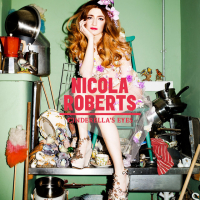
Nicola Roberts

Pop
Mainstream Pop
 Viberate Rank: 114374
 Viberate Rank: 114374
 Monthly ListenersFollowers
 Subscribers
 Followers
 Followers
 FansTop Spotify Songs
| Track | 7-Day Streams | |
|---|---|---|
1 | 4.32K | |
2 | 3.22K | |
3 | 1.33K | |
4 | 919 | |
5 | 904 |
Top YouTube Videos| Video | 7-Day Views | |
|---|---|---|
1 | 2.41K | |
2 | 1.37K | |
3 | 602 | |
4 | 398 | |
5 | 95 |
Monthly ListenersFeatured in Playlists| Playlist | Followers | |
|---|---|---|
1 |  Top 100 Kids Disco Party Songs! aboutabeat | 26.28K |
2 |  Himnos Gays🏳️🌈 Snoval✨ | 25.48K |
3 | Simon Bradley | 23.39K |
4 |  Pop Party: All Albums Pop Party | 16.28K |
5 |  Girly pop 🍒✨ Cunty songs 💅🏼 francescaXmusic | 15.72K |
Audience| City | Monthly Listeners | |
|---|---|---|
1 | | 1.25K |
2 |  | 539 |
3 | | 505 |
4 |  | 371 |
5 |  | 306 |
See full performance history, audience data, playlist activity, rankings, comparisons, and more in Viberate music analytics. Start with a free trial, then continue with a paid plan.
Nicola Roberts’ Spotify BioWith her pale skin, striking red hair, and quiet personality, Nicola Roberts may have been the less tabloid-friendly member of Girls Aloud, but thanks to her songwriting skills, eclectic taste, and effortlessly cool demeanor, her solo career was far more interesting than bandmates Nadine Coyle and Cheryl Cole's. Born in Runcorn, Cheshire in 1985, Roberts began singing at the age of 11, attended her local dance school, and formed her own girl band, the Five Musketeers, before auditioning for the ITV talent show Popstars: The Rivals in 2002. Although she originally didn't make it to the live stages, she was drafted in as a replacement when fellow contestant Nicola Ward pulled out, eventually finishing second and earning a place in the group that became Girls Aloud. The five-piece scored an impressive 20 consecutive Top Ten hits (including three chart-toppers), six Top 20 albums (including Chemistry, where Roberts became the only member to receive a sole writing credit, for "It's Magic"),… and a Brit Award for Best British Single ("The Promise") over a seven-year period before the group members decided to pursue various solo projects. Roberts launched a makeup line for girls with fair skin called Dainty Doll, presented the BBC3 documentary The Truth About Tanning (about the dangers of tanning beds), and became an outspoken advocate of legislation that would outlaw unmanned tanning beds for minors. In 2010, she became the group's third member to launch a solo career when she signed a deal with Universal and began working on material with the likes of Metronomy's Joseph Mount, Dragonette, and Diplo. Her debut single, "Beat of My Drum," was released a year later and was followed by its parent album, Cinderella's Eyes. ~ Jon O'Brien, Rovi
Viberate is a music analytics platform built for A&Rs, artist managers, labels, booking agents, marketers, and artists.
It helps music professionals track artist growth, analyze audience data, monitor playlist activity, compare artists, follow song performance, and identify opportunities across the music market.
Public artist pages provide a free preview of selected artist data. Paid plans provide access to deeper analytics, historical data, charts, comparisons, playlist tools, exports, alerts, reports, and additional professional features.
Yes. Public Viberate artist pages provide selected artist analytics and music data for free.
Viberate also offers a 7-day free trial of the full platform. A credit card is required to start the trial. The trial includes access to the complete product so users can test deeper artist analytics, historical views, playlist insights, comparisons, charts, exports, alerts, and reporting features before choosing a paid plan.
Viberate provides artist analytics across streaming, playlists, social media, video, radio airplay, songs, and audience markets.
Users can analyze Spotify performance, Spotify and Apple Music playlists, YouTube activity, TikTok and Instagram growth, radio spins, song performance, audience locations, demographics, rankings, and overall artist momentum.
Artist profiles also connect to music charts, similar artists, and comparison tools, helping users benchmark performance and evaluate artists in context.
Viberate updates key artist and track data daily.
For followed artists and tracks, selected data is refreshed multiple times per day. This helps teams monitor playlist changes, streaming movement, audience growth, releases, and campaign performance with more current data.
Update frequency can vary depending on the metric and data source.
Yes. Viberate lets users compare up to five artists side by side across streaming, social media, audience, and engagement metrics.
Users can compare fanbase growth, audience demographics, locations, Spotify performance, social metrics, and other artist data over selected time periods.
Artist comparison can be used for A&R scouting, benchmarking, booking decisions, campaign planning, and evaluating artists with similar audiences or market positions.