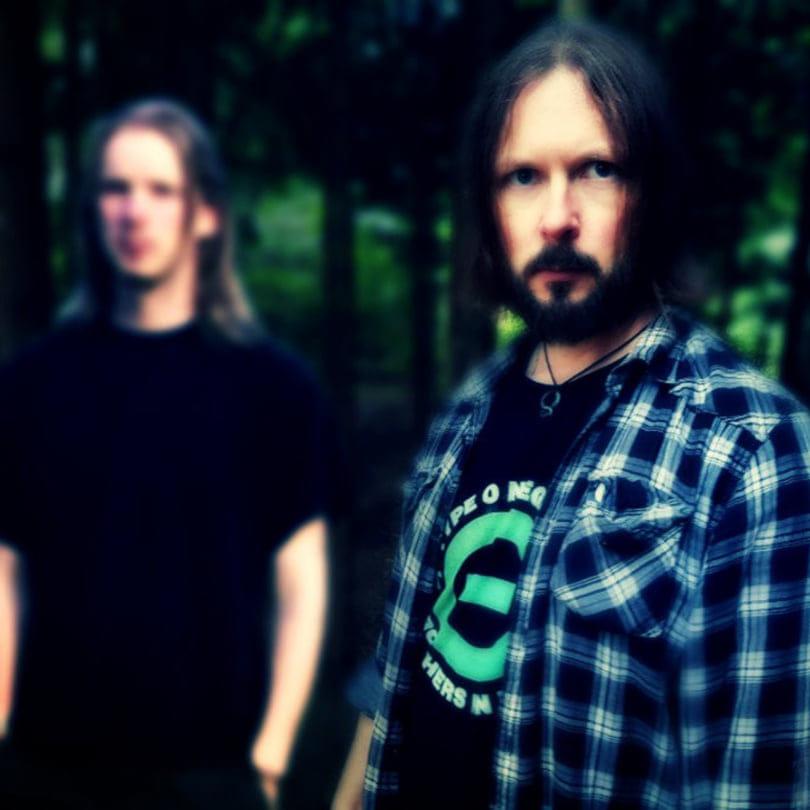
Nicola Bortone

Classical
Chamber Music
Other European Music
Classical Crossover
 Viberate Rank: 767215
 Viberate Rank: 767215
 Monthly ListenersFollowers
 Subscribers
 Followers
 Followers
 FansTop Spotify Songs
| Track | 7-Day Streams | |
|---|---|---|
1 | 1.29K | |
2 | 18 | |
3 | 11 | |
4 | 10 | |
5 | 10 |
Top YouTube VideosMonthly ListenersFeatured in Playlists| Playlist | Followers | |
|---|---|---|
1 |  Medieval Ambient Ville Pelkonen | 82.74K |
2 |  Medieval Music – Renaissance, Taverns & Fantasy Derek Fiechter | 60.88K |
3 |  Tavern Music Trent Adams | 34.77K |
4 |  Dungeons and Dragons Background Music Maddie | 19.75K |
5 |  Bard Songs Gleen | 11.02K |
Audience| City | Monthly Listeners | |
|---|---|---|
1 |  | 34 |
2 |  | 25 |
3 |  | 24 |
4 | | 24 |
5 | | 23 |
See full performance history, audience data, playlist activity, rankings, comparisons, and more in Viberate music analytics. Start with a free trial, then continue with a paid plan.
Nicola Bortone’s Spotify BioNicola Bortone was born in Turin on May 25, 1978. His childhood is characterized by living in many different places all around southern Italy where he resided for several years. At the age of 12 he took up the guitar conditioned by the first important plays such as "Pink Floyd, Doors, Jethro Tull, Deep Purple and Led Zeppelin". It is subsequently influenced him by listening to ethnic, medieval end Celtic music. His debut album dates back to this period with Mauro Pertosa, with which he recorded in 2002 the "Cantico dei cantici vol. 1 °". In 2004 he followed the "Cantico dei Cantici vol. 2 °" album, which was rather painful and in fact its published is unfinished. In 2005 he recorded with the Calabrian singer-songwriter Danilo Minervino an album about the life of San Francesco da Paola "Charitas Christi". In 2006 Nicola moved to Turin where he founded with Mauro Pertosa the Perenne Symposio and with them he recorded first "Non ditelo a nessuno" and then in 2008 "Terra bruciata". Then… Nicola was working on an original musical written by Antonio Malfitano "Magna Grecia" and ran for Liguria and southern France as a street artist with a small staff, proposing a repertoire of Celtic music . He converted to Christianity and in 2014 he left with his wife and children on a mission to Austria, where he currently resides. The first solo recording work recorded in 2017 "Dal profondo" is due to the conversion and the mission period. He is currently working on several recording projects.
Viberate is a music analytics platform built for A&Rs, artist managers, labels, booking agents, marketers, and artists.
It helps music professionals track artist growth, analyze audience data, monitor playlist activity, compare artists, follow song performance, and identify opportunities across the music market.
Public artist pages provide a free preview of selected artist data. Paid plans provide access to deeper analytics, historical data, charts, comparisons, playlist tools, exports, alerts, reports, and additional professional features.
Yes. Public Viberate artist pages provide selected artist analytics and music data for free.
Viberate also offers a 7-day free trial of the full platform. A credit card is required to start the trial. The trial includes access to the complete product so users can test deeper artist analytics, historical views, playlist insights, comparisons, charts, exports, alerts, and reporting features before choosing a paid plan.
Viberate provides artist analytics across streaming, playlists, social media, video, radio airplay, songs, and audience markets.
Users can analyze Spotify performance, Spotify and Apple Music playlists, YouTube activity, TikTok and Instagram growth, radio spins, song performance, audience locations, demographics, rankings, and overall artist momentum.
Artist profiles also connect to music charts, similar artists, and comparison tools, helping users benchmark performance and evaluate artists in context.
Viberate updates key artist and track data daily.
For followed artists and tracks, selected data is refreshed multiple times per day. This helps teams monitor playlist changes, streaming movement, audience growth, releases, and campaign performance with more current data.
Update frequency can vary depending on the metric and data source.
Yes. Viberate lets users compare up to five artists side by side across streaming, social media, audience, and engagement metrics.
Users can compare fanbase growth, audience demographics, locations, Spotify performance, social metrics, and other artist data over selected time periods.
Artist comparison can be used for A&R scouting, benchmarking, booking decisions, campaign planning, and evaluating artists with similar audiences or market positions.