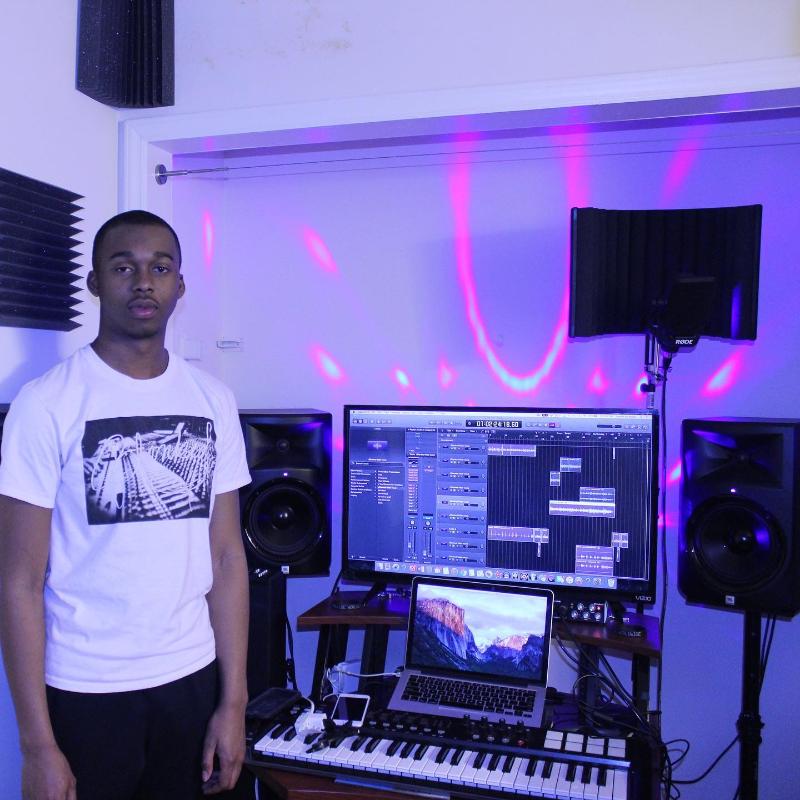
Nick Vyner

Pop
Indie Pop
 Viberate Rank: 481574
 Viberate Rank: 481574
 Monthly ListenersFollowers
 Subscribers
 Followers
 Followers
 FansTop Spotify Songs
| Track | 7-Day Streams | |
|---|---|---|
1 | 1.54K | |
2 | 122 | |
3 | 91 | |
4 | 19 | |
5 | 15 |
Top YouTube VideosMonthly ListenersFeatured in Playlists| Playlist | Followers | |
|---|---|---|
1 |  art not algorithms Live2 | 84.28K |
2 |  loveinamovie ananmay | 9.44K |
3 |  COVID-19 Quarantine Party Robert | 8.88K |
4 | Autumn <3 | 5.62K |
5 |  Home Grown GRADUATION | 3.20K |
Audience| City | Monthly Listeners | |
|---|---|---|
1 | | 81 |
2 | | 72 |
3 | | 71 |
4 | | 51 |
5 |  | 48 |
See full performance history, audience data, playlist activity, rankings, comparisons, and more in Viberate music analytics. Start with a free trial, then continue with a paid plan.
Nick Vyner’s Spotify BioBorn and raised in Houston, Texas, music has been a constant in Nick Vyner's life, but the alt-pop sound he is known for now was not always his intended path - he actually grew up singing in a local boys’ choir. With classical music as his driving passion, Nick continued studying voice and attended a performing arts high school. He began writing his own songs during this time and found that music freed his imagination and gave him the space to tell stories. No longer confined to the stricture of classical music, Nick decided to focus all of his creative energy towards songwriting.
After graduation, he put college on hold and moved to Los Angeles in the Fall of 2018, taking a leap of faith with the promise that he was going to make his music career work. He released several songs independently before making his label debut with "Mood Swing”, produced by Stanley Randolph. “Mood Swing” was released at the end of 2020 via a joint venture between TenThousand Projects and Flighthouse Media.
Ni…ck Vyner takes a prolific step forward with his sound on “Flood,” a stunning single three years in the making. Produced and co-written by Casey Malanuk (caaaaseyyyy), the track first found life in 2019 before countless, carefully crafted updates and re-recordings updated the single’s structure, all the while staying true to its lyrical context of feeling out of place in a new city where confusion, friendship, and loss swirl together.
www.nickvyner.com
Viberate is a music analytics platform built for A&Rs, artist managers, labels, booking agents, marketers, and artists.
It helps music professionals track artist growth, analyze audience data, monitor playlist activity, compare artists, follow song performance, and identify opportunities across the music market.
Public artist pages provide a free preview of selected artist data. Paid plans provide access to deeper analytics, historical data, charts, comparisons, playlist tools, exports, alerts, reports, and additional professional features.
Yes. Public Viberate artist pages provide selected artist analytics and music data for free.
Viberate also offers a 7-day free trial of the full platform. A credit card is required to start the trial. The trial includes access to the complete product so users can test deeper artist analytics, historical views, playlist insights, comparisons, charts, exports, alerts, and reporting features before choosing a paid plan.
Viberate provides artist analytics across streaming, playlists, social media, video, radio airplay, songs, and audience markets.
Users can analyze Spotify performance, Spotify and Apple Music playlists, YouTube activity, TikTok and Instagram growth, radio spins, song performance, audience locations, demographics, rankings, and overall artist momentum.
Artist profiles also connect to music charts, similar artists, and comparison tools, helping users benchmark performance and evaluate artists in context.
Viberate updates key artist and track data daily.
For followed artists and tracks, selected data is refreshed multiple times per day. This helps teams monitor playlist changes, streaming movement, audience growth, releases, and campaign performance with more current data.
Update frequency can vary depending on the metric and data source.
Yes. Viberate lets users compare up to five artists side by side across streaming, social media, audience, and engagement metrics.
Users can compare fanbase growth, audience demographics, locations, Spotify performance, social metrics, and other artist data over selected time periods.
Artist comparison can be used for A&R scouting, benchmarking, booking decisions, campaign planning, and evaluating artists with similar audiences or market positions.