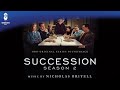
Nicholas Britell

Classical
Classical Crossover
Orchestral
 Viberate Rank: 14445
 Viberate Rank: 14445
 Monthly ListenersFollowers
 Subscribers
 Followers
 Followers
 FansTop Spotify Songs
| Track | 7-Day Streams | |
|---|---|---|
1 | 594.71K | |
2 | 383.66K | |
3 | 146.20K | |
4 | 113.44K | |
5 | 108.58K |
Top YouTube Videos| Video | 7-Day Views | |
|---|---|---|
1 | 103.61K | |
2 | 10.49K | |
3 | 8.35K | |
4 | 3.60K | |
5 | 2.01K |
Monthly ListenersFeatured in Playlists| Playlist | Followers | |
|---|---|---|
1 |  Iconic Soundtracks Spotify | 1.37M |
2 |  Cinematic Chillout Spotify | 831.40K |
3 |  Sleep Playlist 😴💤 macylee124 | 686.90K |
4 |  Best of Star Wars Spotify | 609.63K |
5 |  Reading Chill Out Spotify | 539.58K |
Audience| City | Monthly Listeners | |
|---|---|---|
1 |  | 42.23K |
2 |  | 40.34K |
3 | | 26.96K |
4 | | 21.70K |
5 |  | 21.40K |
See full performance history, audience data, playlist activity, rankings, comparisons, and more in Viberate music analytics. Start with a free trial, then continue with a paid plan.
Nicholas Britell’s Spotify BioNicholas Britell is a composer, pianist, and movie producer best known for his scores to such critically acclaimed films as The Big Short (2015), Moonlight (2016), and If Beale Street Could Talk (2018). His style has ranged from The Big Short's playful blend of jazz, funk, and classical elements to the more elegant and poignant Beale Street. Britell's first of multiple Academy Award nominations came in 2017 for his work on Moonlight, and in 2019, he won an Emmy for his theme to HBO's Succession. He added the Disney feature Cruella to his résumé in 2021. Still incorporating elements of jazz and classical as well as rock, it showcased the composer's more fanciful side.
A graduate of Julliard's Pre-College Division and Harvard University who started playing piano at the age of five, Britell scored his first film as a college student in the early 2000s. After graduating, he found regular work on film shorts while keeping a day job. He eventually came to the attention of a broader segment of… the film community when he performed his own piano composition, "Forgotten Waltz No. 2," for the 2008 short Eve, directed by Natalie Portman.
Among varied projects in the classical realm (including Portals with violinist Tim Fain) and continued work on shorts, he wrote music for the TV documentary Haiti: Where Did the Money Go and the crime film Gimme the Loot, both released in 2012. His additional music, such as violin pieces and spirituals, appeared in the 2013 Best Picture Oscar winner 12 Years a Slave. Meanwhile, he produced a short film called Whiplash, later developed into the 2014 Best Picture nominee of the same name, which he also co-produced. A year later, the Adam McKay-directed Best Picture nominee The Big Short featured a Britell score. Steady work in Hollywood features followed, beginning with Free State of Jones and the Barry Jenkins-directed Moonlight in 2016. The latter earned Britell his first Oscar nomination for Best Original Score.
Branching into episodic television, he composed the music for the HBO comedy-drama Succession, which began airing in mid-2018. Back on the big screen, he got a second Academy Award nomination for 2018's If Beale Street Could Talk, another collaboration with Barry Jenkins. Britell also scored Vice, a McKay-directed Best Picture nominee from the same year. He won a Primetime Emmy for his theme to Succession in 2019. The year 2021 saw the premiere of Jenkins' series The Underground Railroad, which Britell scored, and films including McKay's Don't Look Up and the Disney 101 Dalmatians live-action spin-off Cruella. Don't Look Up garnered Britell a third Oscar nomination. ~ Marcy Donelson, Rovi
Viberate is a music analytics platform built for A&Rs, artist managers, labels, booking agents, marketers, and artists.
It helps music professionals track artist growth, analyze audience data, monitor playlist activity, compare artists, follow song performance, and identify opportunities across the music market.
Public artist pages provide a free preview of selected artist data. Paid plans provide access to deeper analytics, historical data, charts, comparisons, playlist tools, exports, alerts, reports, and additional professional features.
Yes. Public Viberate artist pages provide selected artist analytics and music data for free.
Viberate also offers a 7-day free trial of the full platform. A credit card is required to start the trial. The trial includes access to the complete product so users can test deeper artist analytics, historical views, playlist insights, comparisons, charts, exports, alerts, and reporting features before choosing a paid plan.
Viberate provides artist analytics across streaming, playlists, social media, video, radio airplay, songs, and audience markets.
Users can analyze Spotify performance, Spotify and Apple Music playlists, YouTube activity, TikTok and Instagram growth, radio spins, song performance, audience locations, demographics, rankings, and overall artist momentum.
Artist profiles also connect to music charts, similar artists, and comparison tools, helping users benchmark performance and evaluate artists in context.
Viberate updates key artist and track data daily.
For followed artists and tracks, selected data is refreshed multiple times per day. This helps teams monitor playlist changes, streaming movement, audience growth, releases, and campaign performance with more current data.
Update frequency can vary depending on the metric and data source.
Yes. Viberate lets users compare up to five artists side by side across streaming, social media, audience, and engagement metrics.
Users can compare fanbase growth, audience demographics, locations, Spotify performance, social metrics, and other artist data over selected time periods.
Artist comparison can be used for A&R scouting, benchmarking, booking decisions, campaign planning, and evaluating artists with similar audiences or market positions.