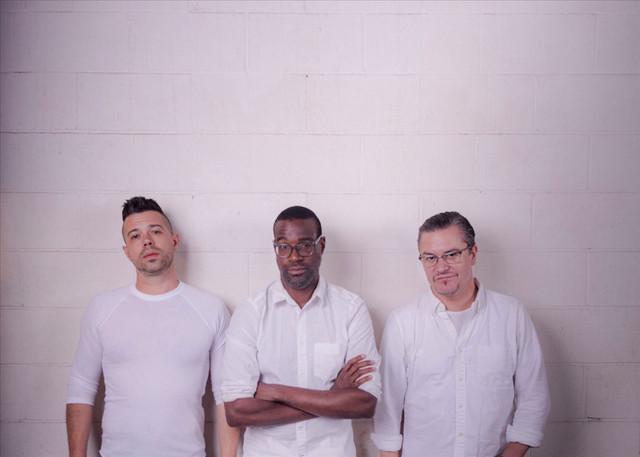
Nevermen

Rock
Alternative Rock
Other Electronic Music
 Viberate Rank: 225345
 Viberate Rank: 225345
 Monthly ListenersFollowers
 Subscribers
 Followers
 Followers
 FansTop Spotify SongsTop YouTube VideosMonthly ListenersFeatured in Playlists
| Playlist | Followers | |
|---|---|---|
1 |  Quirktronica Spotify | 202.15K |
2 |  PS5 EDM PlayStation®️ | 45.71K |
3 |  Concentrate At Work sebvandenbrink | 8.45K |
4 |  Musica para drogarse🍄👁👽🛸 Edu cvalle | 6.48K |
5 |  chaeyoung's taste 🍓🐯 m | 5.87K |
Audience| City | Monthly Listeners | |
|---|---|---|
1 |  | 656 |
2 |  | 357 |
3 |  | 343 |
4 | | 273 |
5 |  | 238 |
See full performance history, audience data, playlist activity, rankings, comparisons, and more in Viberate music analytics. Start with a free trial, then continue with a paid plan.
Nevermen’s Spotify BioNevermen are a trio consisting of Anticon MC Doseone, Faith No More's Mike Patton, and TV on the Radio's Tunde Adebimpe. Like other Doseone projects such as 13 & God and Subtle, Nevermen freely blend experimental hip-hop, indie rock, and electronic textures, with tightly wound vocal harmonies and cryptic, abstract lyrics. The group openly rejects the idea of having a frontman, and all three members contribute equally, meshing into a single entity. The project initiated around 2008, after Doseone had appeared on the 2006 album by Patton's Peeping Tom project, and Adebimpe guested on a 2007 album by Subtle. The trio announced that they were working on music together in 2008, and in 2009 Doseone announced that they had named themselves the Nevermen and had signed to Lex Records, also home to Subtle. All three members kept busy with their other commitments, most notably Faith No More's reunion, so fans had to wait until 2015 before hearing the first taste of the group's music. Singles… "Tough Towns" and "Mr. Mistake" finally appeared in 2015, with the latter sporting a remix by Boards of Canada. The self-titled album by Nevermen (who had removed "the" from their name) finally appeared on Lex (in the U.K.) and Patton's Ipecac label (in the U.S.) in early 2016. ~ Paul Simpson, Rovi
Viberate is a music analytics platform built for A&Rs, artist managers, labels, booking agents, marketers, and artists.
It helps music professionals track artist growth, analyze audience data, monitor playlist activity, compare artists, follow song performance, and identify opportunities across the music market.
Public artist pages provide a free preview of selected artist data. Paid plans provide access to deeper analytics, historical data, charts, comparisons, playlist tools, exports, alerts, reports, and additional professional features.
Yes. Public Viberate artist pages provide selected artist analytics and music data for free.
Viberate also offers a 7-day free trial of the full platform. A credit card is required to start the trial. The trial includes access to the complete product so users can test deeper artist analytics, historical views, playlist insights, comparisons, charts, exports, alerts, and reporting features before choosing a paid plan.
Viberate provides artist analytics across streaming, playlists, social media, video, radio airplay, songs, and audience markets.
Users can analyze Spotify performance, Spotify and Apple Music playlists, YouTube activity, TikTok and Instagram growth, radio spins, song performance, audience locations, demographics, rankings, and overall artist momentum.
Artist profiles also connect to music charts, similar artists, and comparison tools, helping users benchmark performance and evaluate artists in context.
Viberate updates key artist and track data daily.
For followed artists and tracks, selected data is refreshed multiple times per day. This helps teams monitor playlist changes, streaming movement, audience growth, releases, and campaign performance with more current data.
Update frequency can vary depending on the metric and data source.
Yes. Viberate lets users compare up to five artists side by side across streaming, social media, audience, and engagement metrics.
Users can compare fanbase growth, audience demographics, locations, Spotify performance, social metrics, and other artist data over selected time periods.
Artist comparison can be used for A&R scouting, benchmarking, booking decisions, campaign planning, and evaluating artists with similar audiences or market positions.