Neuraxis

Metal
Death Metal
 Viberate Rank: 236343
 Viberate Rank: 236343
 Monthly ListenersFollowers
 Subscribers
 Followers
 Followers
 FansTop Spotify Songs
| Track | 7-Day Streams | |
|---|---|---|
1 | 241 | |
2 | 204 | |
3 | 158 | |
4 | 104 | |
5 | 92 |
Top YouTube VideosMonthly ListenersFeatured in Playlists| Playlist | Followers | |
|---|---|---|
1 |  Technical Death Metal OPSAT | 15.41K |
2 | Technical death metal iddix | 6.07K |
3 |  Ultimate Tech-Death Loudwire | 5.70K |
4 |  The Sound of Technical Death Metal The Sounds of Spotify | 4.59K |
5 | Death Metal Instrumentals seaofcheese | 3.73K |
Audience| City | Monthly Listeners | |
|---|---|---|
1 | | 94 |
2 |  | 29 |
3 | | 29 |
4 | | 26 |
5 |  | 25 |
See full performance history, audience data, playlist activity, rankings, comparisons, and more in Viberate music analytics. Start with a free trial, then continue with a paid plan.
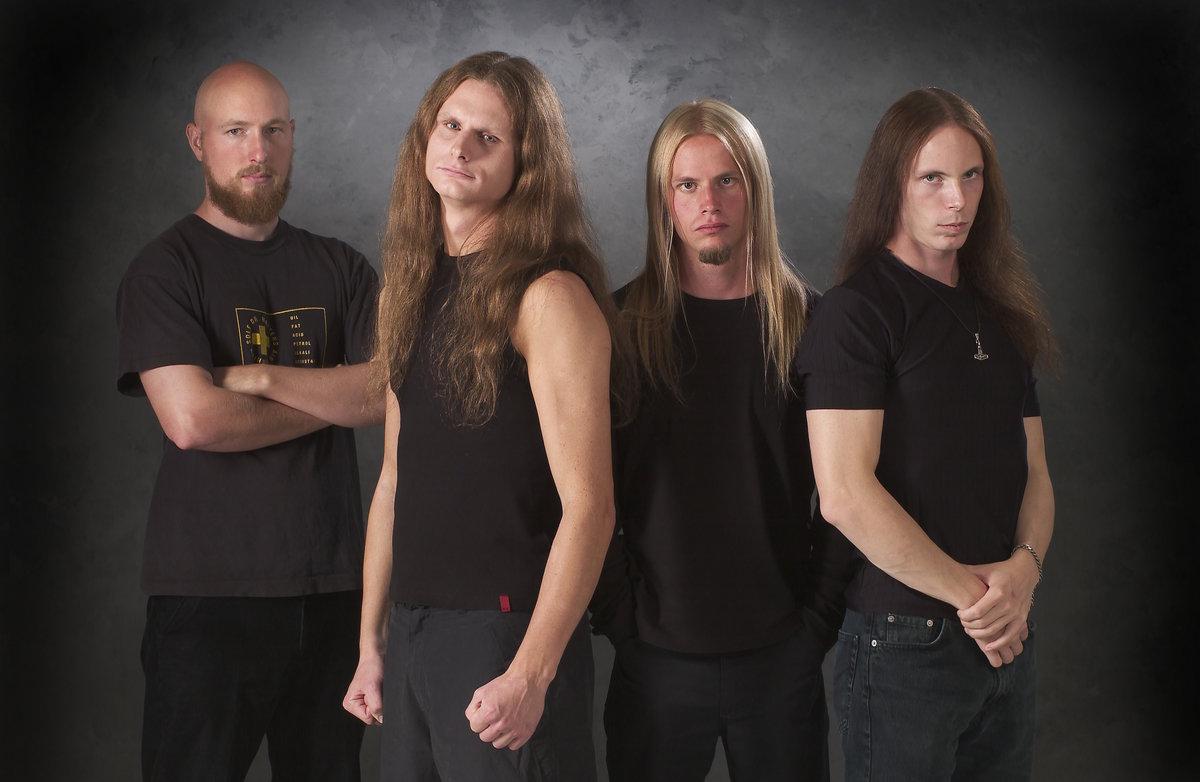
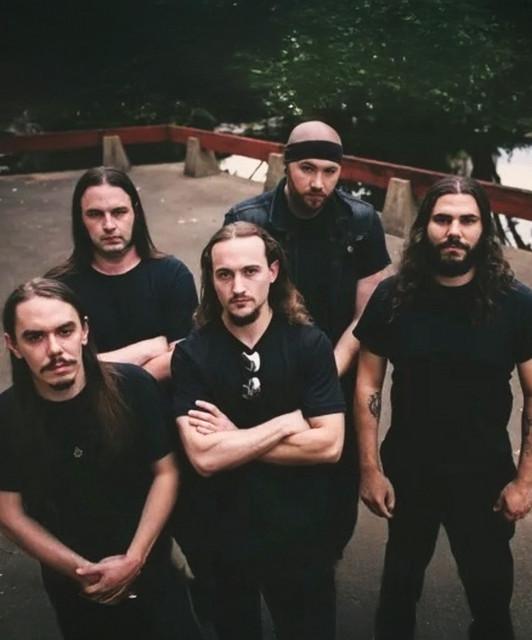
Neuraxis’ Spotify BioTaking their name from the axis of the central nervous system, Neuraxis hail from Montreal, Canada, where they belong to a fraternity of bands (Gorguts, Cryptopsy, Kataklysm, etc.) characterized by an intense brand of technical yet melodic death metal. Guitarist Steven Henry founded Neuraxis in 1993, and after adding vocalist Michel Brisebois, second guitarist Felipé Quinzonos, and bassist Yan Thiel, the group soon began performing with the aid of a drum machine until human percussionist Mathies Royal was found in 1995 -- around the same time as new vocalist Maynard Moore. A harbinger of many lineup changes still to come, their entry allowed Neuraxis to start working on their debut album, 1997's Imagery, with Kataklysm guitarist Jean-François Dagenais producing, but only Henry and Thiel still remained by the time the group cut its sophomore effort, A Passage to Forlorn, in 2001. The good news was that new members Ian Campbell (vocals), Robin Milley (guitar), and Alex Erian (drums)… stayed put for the band's third opus, Truth Beyond..., released the next year.
Unfortunately, this modicum of stability wouldn't last beyond Neuraxis' European tour of 2003, and after indulging in a few side projects (most notably Milley's collaboration with former Quo Vadis members Arie Itman and Remy Beauchamp in a band called Jester), the members of Neuraxis welcomed new drummer Tommy McKinnon for the sessions that spawned their third long-player, Trilateral Progression, in the fall of 2005. This was widely heralded as their most mature and consistent release yet, but naturally, change was on the horizon yet again -- this time taking shape with founding guitarist Steven Henry's shocking departure in January 2006 (soon to be followed by longtime vocalist Campbell), casting serious doubts about the band's future in many fans' minds. Just as they had before, though, Neuraxis simply set about the business of finding capable replacements in frontman Alex LeBlanc and guitar player William Seghers, and then recorded 2007's Live Progression to break them in. The revamped group then proceeded to sign with Prosthetic Records and release the fourth Neuraxis studio album, The Thin Line Between, in 2008. ~ Eduardo Rivadavia, Rovi
Viberate is a music analytics platform built for A&Rs, artist managers, labels, booking agents, marketers, and artists.
It helps music professionals track artist growth, analyze audience data, monitor playlist activity, compare artists, follow song performance, and identify opportunities across the music market.
Public artist pages provide a free preview of selected artist data. Paid plans provide access to deeper analytics, historical data, charts, comparisons, playlist tools, exports, alerts, reports, and additional professional features.
Yes. Public Viberate artist pages provide selected artist analytics and music data for free.
Viberate also offers a 7-day free trial of the full platform. A credit card is required to start the trial. The trial includes access to the complete product so users can test deeper artist analytics, historical views, playlist insights, comparisons, charts, exports, alerts, and reporting features before choosing a paid plan.
Viberate provides artist analytics across streaming, playlists, social media, video, radio airplay, songs, and audience markets.
Users can analyze Spotify performance, Spotify and Apple Music playlists, YouTube activity, TikTok and Instagram growth, radio spins, song performance, audience locations, demographics, rankings, and overall artist momentum.
Artist profiles also connect to music charts, similar artists, and comparison tools, helping users benchmark performance and evaluate artists in context.
Viberate updates key artist and track data daily.
For followed artists and tracks, selected data is refreshed multiple times per day. This helps teams monitor playlist changes, streaming movement, audience growth, releases, and campaign performance with more current data.
Update frequency can vary depending on the metric and data source.
Yes. Viberate lets users compare up to five artists side by side across streaming, social media, audience, and engagement metrics.
Users can compare fanbase growth, audience demographics, locations, Spotify performance, social metrics, and other artist data over selected time periods.
Artist comparison can be used for A&R scouting, benchmarking, booking decisions, campaign planning, and evaluating artists with similar audiences or market positions.