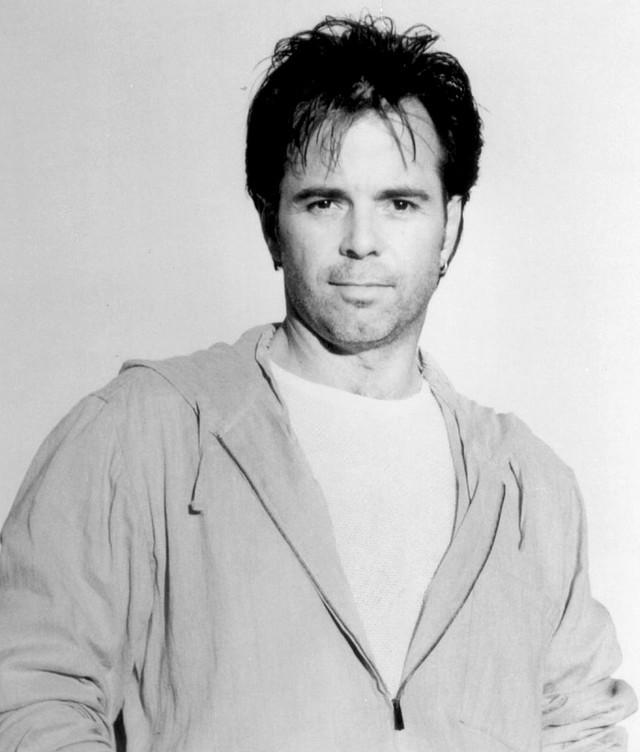
Neil Archer

Pop
Mainstream Pop
 Viberate Rank: 115985
 Viberate Rank: 115985
 Monthly ListenersFollowers
 Subscribers
 Followers
 Followers
 FansTop Spotify Songs
| Track | 7-Day Streams | |
|---|---|---|
1 | 233 | |
2 | 42 | |
3 | 40 | |
4 | 38 | |
5 | 38 |
Top YouTube Videos| Video | 7-Day Views | |
|---|---|---|
1 | 6.07K | |
2 | 4.79K | |
3 | 2.40K | |
4 | 1.79K | |
5 | 1.47K |
Monthly ListenersFeatured in PlaylistsAudience| City | Monthly Listeners | |
|---|---|---|
1 |  | 23 |
2 | | 16 |
3 |  | 13 |
4 |  | 12 |
5 |  | 12 |
See full performance history, audience data, playlist activity, rankings, comparisons, and more in Viberate music analytics. Start with a free trial, then continue with a paid plan.
Neil Archer’s Spotify BioNeil has been playing piano and organ since the age of 7 and now uploads popular piano songs to YouTube for all to enjoy and learn to play: http://www.YouTube.com/NeilArcher - and if you read music and love what you are listening to, many of the arrangements are available in sheet music here: https://www.musicnotes.com/sheet-music/artist/neil-archer. Neil was born and raised in Doncaster, United Kingdom and after performing piano bars on cruise ships for almost a decade, he currently resides in Jupiter, Florida with his wife Vanessa and two dogs Lizzie and Trevor.
At a very young age, I was introduced to music. I had a wonderful upbringing and Saturdays were just fabulous as this was the day we would always go to nana and grandads. My grandad played the organ and although he had no formal training, he could knock out a tune and my nana would sing the words. As a really young kid in the early 1970s my grandad would sit me on the organ stool and I would actually play some of those songs.… I was about 4 years old. My grandad saw that there could be some potential from me and he set me up with some organ lessons. I played piano a little as a kid and in church, but it wasnt until I worked on cruise ships that I really had to adapt from organ to piano. I hope you enjoy listening to my songs on Spotify. Happy listening and playing, Neil. http://www.NeilArcher.net
Viberate is a music analytics platform built for A&Rs, artist managers, labels, booking agents, marketers, and artists.
It helps music professionals track artist growth, analyze audience data, monitor playlist activity, compare artists, follow song performance, and identify opportunities across the music market.
Public artist pages provide a free preview of selected artist data. Paid plans provide access to deeper analytics, historical data, charts, comparisons, playlist tools, exports, alerts, reports, and additional professional features.
Yes. Public Viberate artist pages provide selected artist analytics and music data for free.
Viberate also offers a 7-day free trial of the full platform. A credit card is required to start the trial. The trial includes access to the complete product so users can test deeper artist analytics, historical views, playlist insights, comparisons, charts, exports, alerts, and reporting features before choosing a paid plan.
Viberate provides artist analytics across streaming, playlists, social media, video, radio airplay, songs, and audience markets.
Users can analyze Spotify performance, Spotify and Apple Music playlists, YouTube activity, TikTok and Instagram growth, radio spins, song performance, audience locations, demographics, rankings, and overall artist momentum.
Artist profiles also connect to music charts, similar artists, and comparison tools, helping users benchmark performance and evaluate artists in context.
Viberate updates key artist and track data daily.
For followed artists and tracks, selected data is refreshed multiple times per day. This helps teams monitor playlist changes, streaming movement, audience growth, releases, and campaign performance with more current data.
Update frequency can vary depending on the metric and data source.
Yes. Viberate lets users compare up to five artists side by side across streaming, social media, audience, and engagement metrics.
Users can compare fanbase growth, audience demographics, locations, Spotify performance, social metrics, and other artist data over selected time periods.
Artist comparison can be used for A&R scouting, benchmarking, booking decisions, campaign planning, and evaluating artists with similar audiences or market positions.