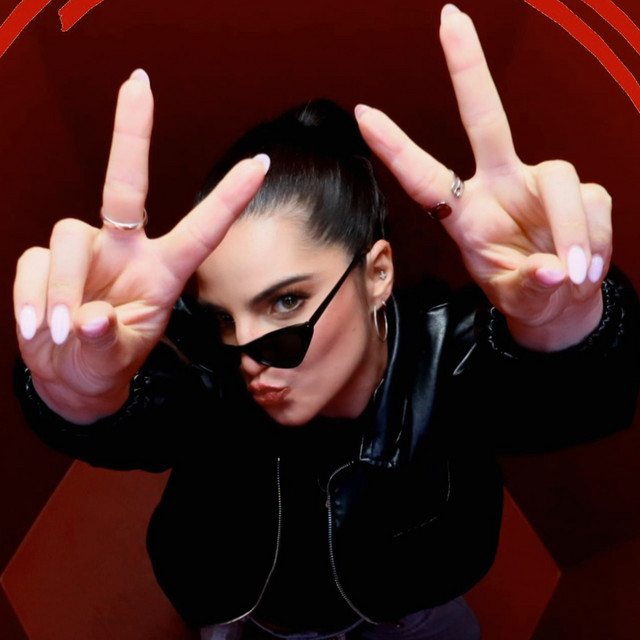
Nayia

Electronic
Dance
 Viberate Rank: 956471
 Viberate Rank: 956471
 Monthly ListenersFollowers
 Subscribers
 Followers
 Followers
 FansTop Spotify Songs
| Track | 7-Day Streams | |
|---|---|---|
1 | 1 |
Top YouTube VideosMonthly ListenersFeatured in Playlists| Playlist | Followers | |
|---|---|---|
1 |  Deutsche Radio Hits 2022 | Mark Forster – 194 Länder Tap Water | 1.20K |
2 |  The Soundtrack Bene Müller | 2 |
3 |  har·mo·nie Lee McJanson | 0 |
4 | Ikram ponchitospow | 0 |
Audience| City | Monthly Listeners | |
|---|---|---|
1 | | 4 |
See full performance history, audience data, playlist activity, rankings, comparisons, and more in Viberate music analytics. Start with a free trial, then continue with a paid plan.
Nayia’s Spotify BioMit ihrer neuesten Single "Ich vermiss wie es war" taucht die Frankfurter Künstlerin Nayia tief in die Nostalgie und das Bedürfnis nach direkter menschlicher Interaktion in einer zunehmend digitalisierten Welt ein. Dieser Song steht im starken Kontrast zum pulsierenden Beat ihrer Debütsingle "Hey Du" und zeigt Nayias Vielseitigkeit und Engagement, musikalisch bedeutsame Themen anzusprechen.
"Ich vermiss wie es war" reflektiert eine Zeit, in der das direkte Erleben und das Abenteuer des Alltags im Vordergrund standen – eine Zeit ohne digitale Distanzierung. Mit eingängigen, doch nachdenklichen Texten erinnert Nayia daran, wie das Leben vor der ständigen Präsenz von Bildschirmen war, und betont die Bedeutung echter Verbindungen.
Nayia arbeitete für diesen bewegenden Track erneut mit dem Produzenten Oliver Meadow zusammen, der es verstand, die emotionale Tiefe der Lyrics durch eine minimalistische und dennoch eindringliche musikalische Untermalung zu verstärken. Die Single verbindet moderne… Klänge mit einem Hauch von Nostalgie und bildet so eine Brücke zwischen Vergangenheit und Gegenwart.
Die Resonanz auf Nayias Musik zeigt, dass sie eine Künstlerin ist, die nicht nur zum Tanzen, sondern auch zum Nachdenken anregt. Mit "Ich vermiss wie es war" setzt sie ihre musikalische Reise fort, indem sie tiefgründige menschliche Gefühle anspricht und ihre Zuhörer sowohl emotional als auch intellektuell berührt.
Viberate is a music analytics platform built for A&Rs, artist managers, labels, booking agents, marketers, and artists.
It helps music professionals track artist growth, analyze audience data, monitor playlist activity, compare artists, follow song performance, and identify opportunities across the music market.
Public artist pages provide a free preview of selected artist data. Paid plans provide access to deeper analytics, historical data, charts, comparisons, playlist tools, exports, alerts, reports, and additional professional features.
Yes. Public Viberate artist pages provide selected artist analytics and music data for free.
Viberate also offers a 7-day free trial of the full platform. A credit card is required to start the trial. The trial includes access to the complete product so users can test deeper artist analytics, historical views, playlist insights, comparisons, charts, exports, alerts, and reporting features before choosing a paid plan.
Viberate provides artist analytics across streaming, playlists, social media, video, radio airplay, songs, and audience markets.
Users can analyze Spotify performance, Spotify and Apple Music playlists, YouTube activity, TikTok and Instagram growth, radio spins, song performance, audience locations, demographics, rankings, and overall artist momentum.
Artist profiles also connect to music charts, similar artists, and comparison tools, helping users benchmark performance and evaluate artists in context.
Viberate updates key artist and track data daily.
For followed artists and tracks, selected data is refreshed multiple times per day. This helps teams monitor playlist changes, streaming movement, audience growth, releases, and campaign performance with more current data.
Update frequency can vary depending on the metric and data source.
Yes. Viberate lets users compare up to five artists side by side across streaming, social media, audience, and engagement metrics.
Users can compare fanbase growth, audience demographics, locations, Spotify performance, social metrics, and other artist data over selected time periods.
Artist comparison can be used for A&R scouting, benchmarking, booking decisions, campaign planning, and evaluating artists with similar audiences or market positions.