Nautilus Pompilius

Rock
Alternative Rock
Other European Music
 Viberate Rank: 23979
 Viberate Rank: 23979
 Monthly ListenersFollowers
 Subscribers
 Followers
 Followers
 FansTop Spotify Songs
| Track | 7-Day Streams | |
|---|---|---|
1 | 198.65K | |
2 | 141.51K | |
3 | 122.08K | |
4 | 76.41K | |
5 | 61.10K |
Top YouTube VideosMonthly ListenersFeatured in Playlists| Playlist | Followers | |
|---|---|---|
1 |  vintage soviet music ☭ armitta⋆˚࿔ | 82.91K |
2 |  слово пацана мурка | 35.62K |
3 |  Russian Post Punk Εφραιμίδης Δημήτρης | 31.24K |
4 | Russian Music Alena Bobrel | 27.90K |
5 |  Rock Universe FamousMusic® | 23.26K |
Audience| City | Monthly Listeners | |
|---|---|---|
1 |  | 34.02K |
2 |  | 33.84K |
3 |  | 28.29K |
4 |  | 21.78K |
5 | | 18.04K |
See full performance history, audience data, playlist activity, rankings, comparisons, and more in Viberate music analytics. Start with a free trial, then continue with a paid plan.
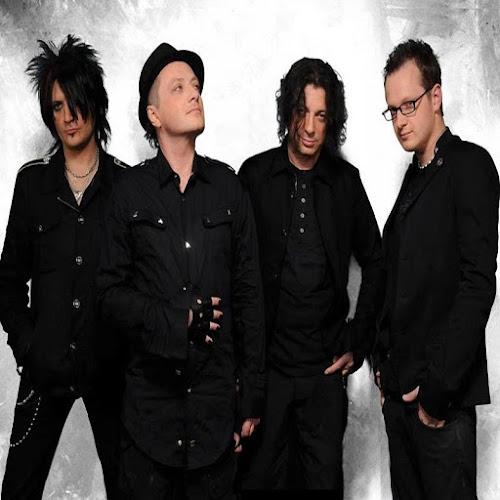
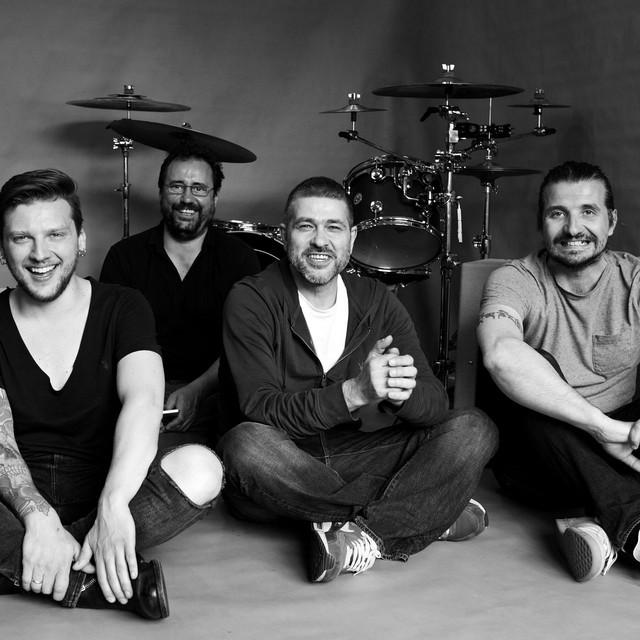
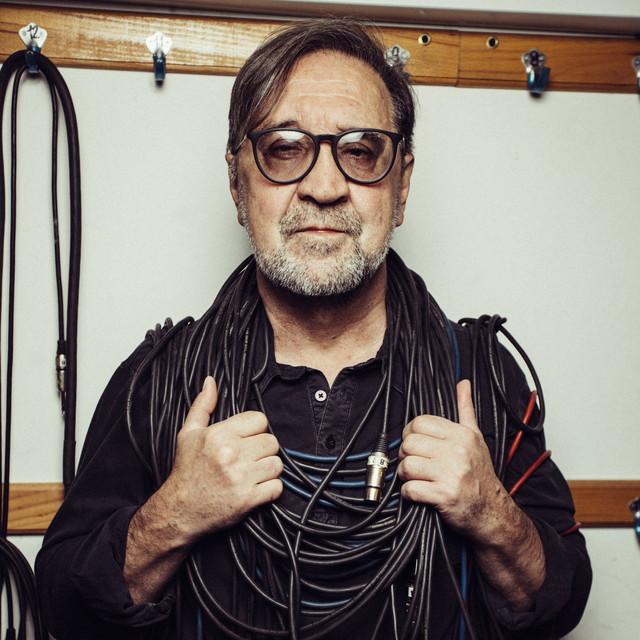
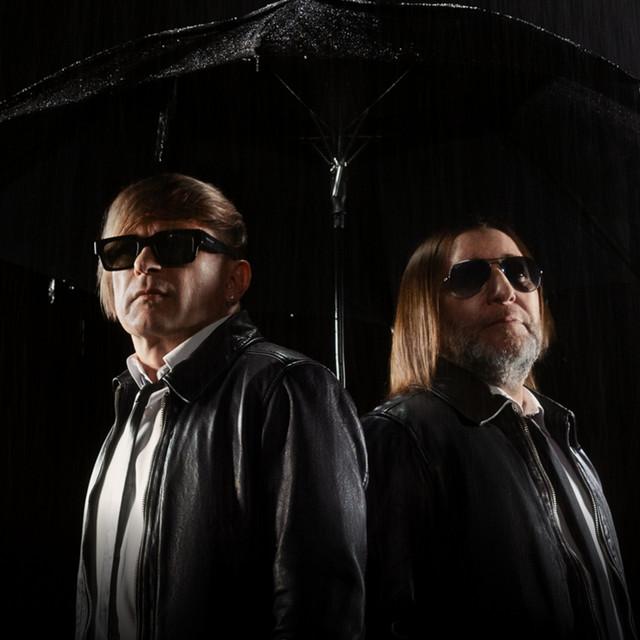
Nautilus Pompilius’ Spotify BioSverdlovsk-Leningrad hybrid Nautilus Pompilius became legendary for its abrupt ascension to celebrity at the end of the 1980s, making a name for Sverdlovsk (now Ekaterinburg) as the third capitol of Soviet rock. Its sound originated in the Ural Mountains but found a home among innovative Leningrad groups like Akvarium and Kino. Charismatic frontman Vycheslav Butusov and songwriter Ilya Kormiltsev were the two constant members of Nautilus. Other musicians, mostly fellow disciples of the Sverdlovsk scene, came and went throughout the group's almost 20-year history.
The seeds for Nautilus Pompilius were planted in 1978 by Vycheslav Butusov and Dimitry Umetsky, two students of the Sverdlovsk Institute of Architecture. The pair performed at dances, entertaining patrons with renditions of Western rock hits, only in 1983 recording their debut with a Led Zeppelin-like stab at hard rock called Pereyezd ("Crossing"). In 1985 they become known officially as Nautilus Pompilius, (they had previously… called themselves "Ali-Baba I Sorok Pazboynikov" ["Ali-Baba and the Forty Thieves"]). That same year, songwriter Kormiltsev, also of the group Urfin Juice, tagged onto the collective. Following the group's first visit to Leningrad in 1984, Nautilus Pompilius radically changed its aesthetic, making itself over as a new wave trio: the two founding members added keyboardist Viktor Komarov. 1985's Nevidimka ("Invisible Being") marked a re-orientation towards the Leningrad rock scene, with Butusov's jumpy vocals tightly strung over monotone bass and keyboard accompaniment. That year, the group's destiny overlapped briefly with fellow Sverdlovsk rocker and Trek vocalist Nastia Poleva, who performed with the group, but quickly dropped the project to pursue her own solo work.
In 1986, Razluka ("Separation") detonated their fame in the Soviet Union from one end to the other. The group tried on a new image, donning military uniforms and welcoming a crew of new musicians from the Sverdlovsk stage. One notable addition was Nastia Poleva's husband and longtime bandmate, Egor Belkin, also guitarist for Urfin Juice. A slew of triumphant concerts followed, including a legendary performance at Moscow's televised Rock Panorama, where the provincial group managed to turn the capitol upside down, staggering audiences and media, and instigating full-blown Nautilus-mania. In the same trip, Nautilus found time to record an album, its first to be released on the official state label Melodiya. In 1989, at the pinnacle of their fame, Knyaz' Tishyinyi ("Prince of Silence") was a bona fide hit. The group took its charisma onto the silver screen, appearing in two films by Ural director Andrei Balabanov Ranshe Bylo Sovsem Drugoe Vremya ("Before Was a Different Time") and U Menya Net Druga ("I Don't Have a Friend"), and a Finnish documentary about Soviet rock, The Sickle and the Guitar.
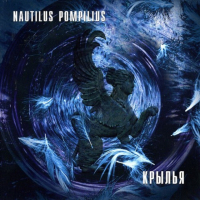
In 1989, life under the microscope was wearing on some bandmembers, coming to a head when co-founder Umetsky exited the lineup, leaving the group to unravel completely. But in 1990 Butusov moved permanently to St. Petersburg, reincarnating the group with new musicians and a new sound: harsh minimalist guitar rock that was met with skepticism, at best. Two albums, 1990s Naugad ("At Random") and 1992's Chuzhaya Zemlya ("Foreign Earth") demonstrated new lyrical trends as well; Butusov and Kormiltsev had traded in the social themes of previous years for textual contemplations of philosophy and religion that seemed more relevant amid the moral and aesthetic crises of the newly freed economy. Few enthusiasts of the military-clad Nautilus of the '80s followed them into the '90s, but the group found new audiences, in 1994 releasing their most commercially successful album of the new period, Titanic. From then on critics noticed a steep decline in the group's work, reflected in 1995's Kryl'ya ("Wings"), which even the musicians admitted was forced. Hoping to find a way out of their artist sinkhole, Butusov and Kormiltsev flew to England to record their new album Yablokitay ("Apple-China"), a collaboration with Boris Grebenshikov as well as local producer Bill Nelson. They returned to Russia to promote and tour the album, but shortly after its release, the group scattered. Their final triumph was the soundtrack for Andrei Balabanov's cult classic Brat ("Brother"), a representation of '90s mob culture that became iconic in the post-Soviet era. ~ Sabrina Jaszi, Rovi
Viberate is a music analytics platform built for A&Rs, artist managers, labels, booking agents, marketers, and artists.
It helps music professionals track artist growth, analyze audience data, monitor playlist activity, compare artists, follow song performance, and identify opportunities across the music market.
Public artist pages provide a free preview of selected artist data. Paid plans provide access to deeper analytics, historical data, charts, comparisons, playlist tools, exports, alerts, reports, and additional professional features.
Yes. Public Viberate artist pages provide selected artist analytics and music data for free.
Viberate also offers a 7-day free trial of the full platform. A credit card is required to start the trial. The trial includes access to the complete product so users can test deeper artist analytics, historical views, playlist insights, comparisons, charts, exports, alerts, and reporting features before choosing a paid plan.
Viberate provides artist analytics across streaming, playlists, social media, video, radio airplay, songs, and audience markets.
Users can analyze Spotify performance, Spotify and Apple Music playlists, YouTube activity, TikTok and Instagram growth, radio spins, song performance, audience locations, demographics, rankings, and overall artist momentum.
Artist profiles also connect to music charts, similar artists, and comparison tools, helping users benchmark performance and evaluate artists in context.
Viberate updates key artist and track data daily.
For followed artists and tracks, selected data is refreshed multiple times per day. This helps teams monitor playlist changes, streaming movement, audience growth, releases, and campaign performance with more current data.
Update frequency can vary depending on the metric and data source.
Yes. Viberate lets users compare up to five artists side by side across streaming, social media, audience, and engagement metrics.
Users can compare fanbase growth, audience demographics, locations, Spotify performance, social metrics, and other artist data over selected time periods.
Artist comparison can be used for A&R scouting, benchmarking, booking decisions, campaign planning, and evaluating artists with similar audiences or market positions.