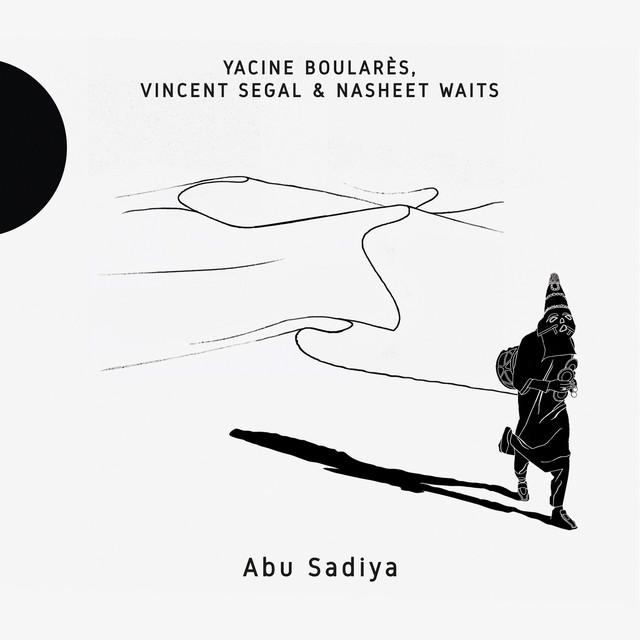
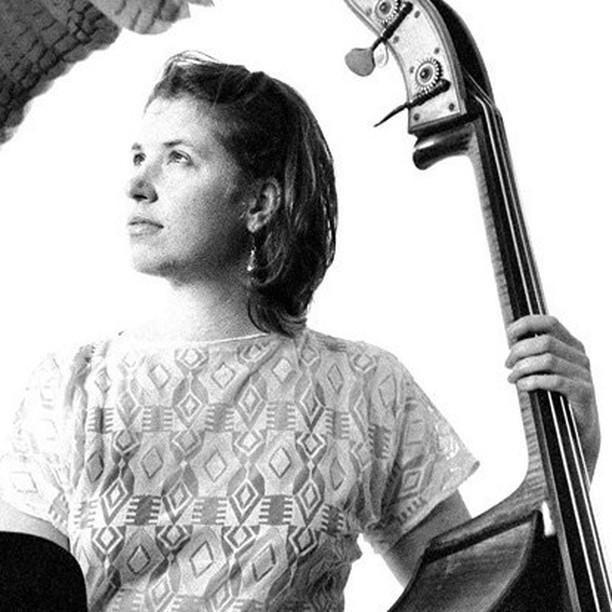
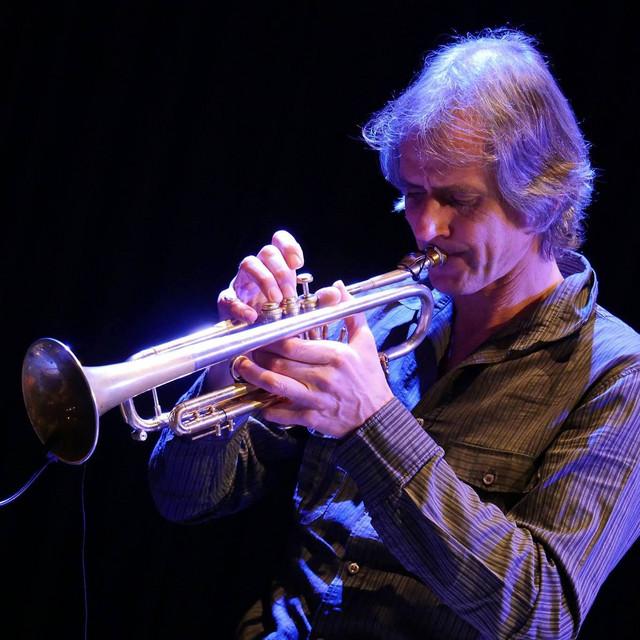
Nasheet Waits

Jazz
Jazz Fusion
Nu Jazz
Bebop
 Viberate Rank: 319653
 Viberate Rank: 319653
 Monthly ListenersFollowers
 Subscribers
 Followers
 Followers
 FansTop Spotify Songs
| Track | 7-Day Streams | |
|---|---|---|
1 | 422 | |
2 | 265 | |
3 | 175 | |
4 | 67 | |
5 | 64 |
Top YouTube VideosMonthly ListenersFeatured in Playlists| Playlist | Followers | |
|---|---|---|
1 |  Nu-jazz Guadalí Alves Arregui | 21.18K |
2 |  ECM New & Forthcoming ECM Records | 9.45K |
3 |  Festival International de Jazz de Montréal 2026 Spotify | 8.68K |
4 |  Vinyl In Days Vinyl_In_Days | 5.82K |
5 |  James Acaster 2016 Album Recommendations idkalaska | 5.63K |
Audience| City | Monthly Listeners | |
|---|---|---|
1 |  | 54 |
2 |  | 47 |
3 | | 36 |
4 |  | 35 |
5 |  | 34 |
See full performance history, audience data, playlist activity, rankings, comparisons, and more in Viberate music analytics. Start with a free trial, then continue with a paid plan.
Nasheet Waits’ Spotify BioJazz drummer Nasheet Waits got his start with Max Roach and went on to play as a sideman for a multitude of other artists and to record albums as a leader.
Waits was born in New York City in 1971. The son of famous percussionist Freddie Waits, he was brought up in the thriving Westbeth artists' community in Lower Manhattan. Beginning to play the drums at a young age, he was encouraged by his father and, through him, met many great players who contributed to his musical education. Majoring in psychology and history at Morehouse College in Atlanta, he decided to pursue music as a career after his father's death in 1989. He moved back to New York and into the circle of his father's fellow players. Max Roach gave him a start in his M'Boom percussion ensemble, in which his father had also played. Nasheet went on to play with a dizzying galaxy of stars including pianist Fred Hersch, bassist Eddie Gomez, and saxophonist David Murray. Sought-after for his fluid, soulful playing, he recorded in… the ensembles of Antonio Hart, Jason Moran (for Blue Note), and Ralph Alessi (for ECM), and in the group Tarbaby, and recorded two albums as a leader, 2008's Equality (on Fresh Sound) and 2016's Between Nothingness and Infinity (on Laborie). In 2018 he appeared alongside Alessi on German jazz pianist Florian Weber's ECM date Lucent Waters. ~ John D. Buchanan, Rovi
Viberate is a music analytics platform built for A&Rs, artist managers, labels, booking agents, marketers, and artists.
It helps music professionals track artist growth, analyze audience data, monitor playlist activity, compare artists, follow song performance, and identify opportunities across the music market.
Public artist pages provide a free preview of selected artist data. Paid plans provide access to deeper analytics, historical data, charts, comparisons, playlist tools, exports, alerts, reports, and additional professional features.
Yes. Public Viberate artist pages provide selected artist analytics and music data for free.
Viberate also offers a 7-day free trial of the full platform. A credit card is required to start the trial. The trial includes access to the complete product so users can test deeper artist analytics, historical views, playlist insights, comparisons, charts, exports, alerts, and reporting features before choosing a paid plan.
Viberate provides artist analytics across streaming, playlists, social media, video, radio airplay, songs, and audience markets.
Users can analyze Spotify performance, Spotify and Apple Music playlists, YouTube activity, TikTok and Instagram growth, radio spins, song performance, audience locations, demographics, rankings, and overall artist momentum.
Artist profiles also connect to music charts, similar artists, and comparison tools, helping users benchmark performance and evaluate artists in context.
Viberate updates key artist and track data daily.
For followed artists and tracks, selected data is refreshed multiple times per day. This helps teams monitor playlist changes, streaming movement, audience growth, releases, and campaign performance with more current data.
Update frequency can vary depending on the metric and data source.
Yes. Viberate lets users compare up to five artists side by side across streaming, social media, audience, and engagement metrics.
Users can compare fanbase growth, audience demographics, locations, Spotify performance, social metrics, and other artist data over selected time periods.
Artist comparison can be used for A&R scouting, benchmarking, booking decisions, campaign planning, and evaluating artists with similar audiences or market positions.