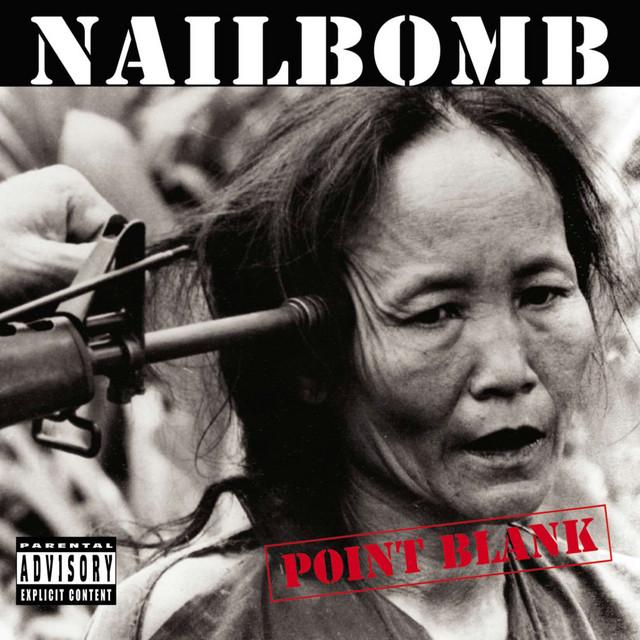
Nailbomb

Metal
Groove Metal
 Viberate Rank: 46528
 Viberate Rank: 46528
 Monthly ListenersFollowers
 Subscribers
 Followers
 Followers
 FansTop Spotify Songs
| Track | 7-Day Streams | |
|---|---|---|
1 | 162.48K | |
2 | 43.18K | |
3 | 33.53K | |
4 | 29.67K | |
5 | 18.39K |
Top YouTube VideosMonthly ListenersFeatured in Playlists| Playlist | Followers | |
|---|---|---|
1 | Anabolic TrenTwins | 121.91K |
2 | Best of Trash Metal Lomprdik | 86.64K |
3 |  Metal am Mittwoch Spotify | 33.35K |
4 |  Ultimate Groove Metal Loudwire | 24.35K |
5 |  POV: You're a Marine in 2004 Iraq Brayden Matheson-Dixon | 14.28K |
Audience| City | Monthly Listeners | |
|---|---|---|
1 |  | 5.22K |
2 | | 4.87K |
3 | | 4.69K |
4 |  | 4.24K |
5 |  | 3.83K |
See full performance history, audience data, playlist activity, rankings, comparisons, and more in Viberate music analytics. Start with a free trial, then continue with a paid plan.
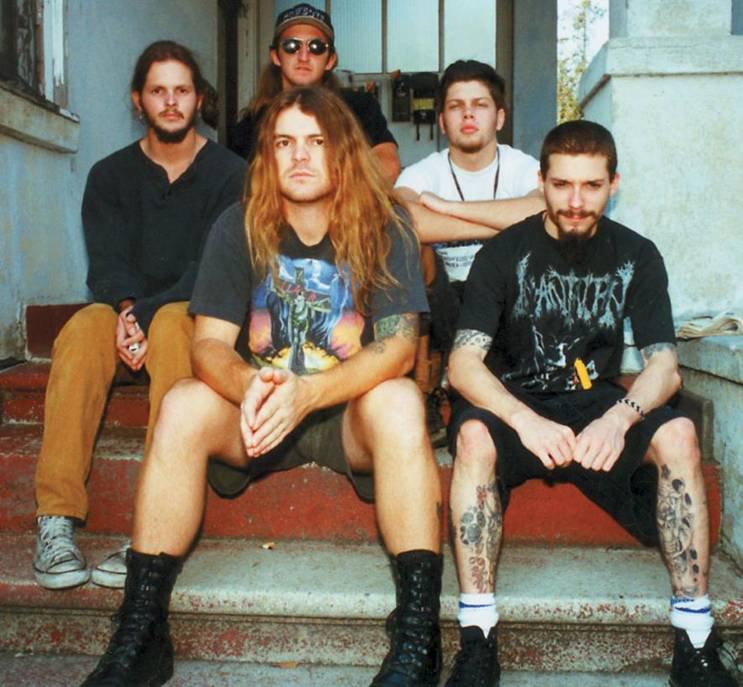
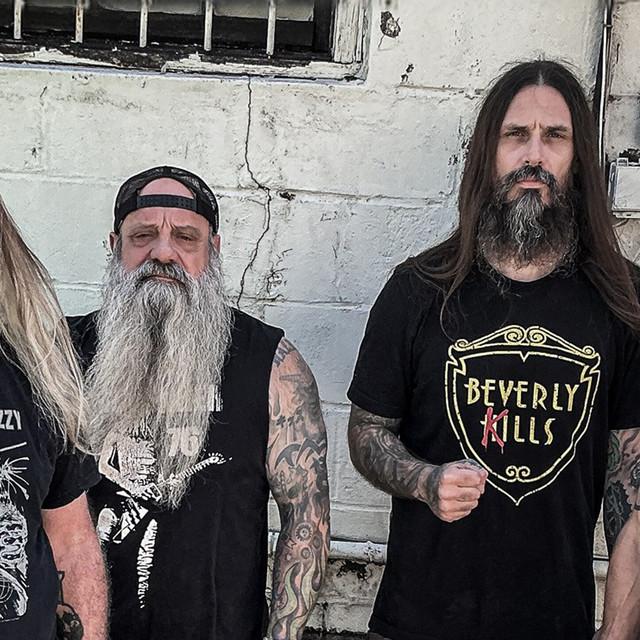
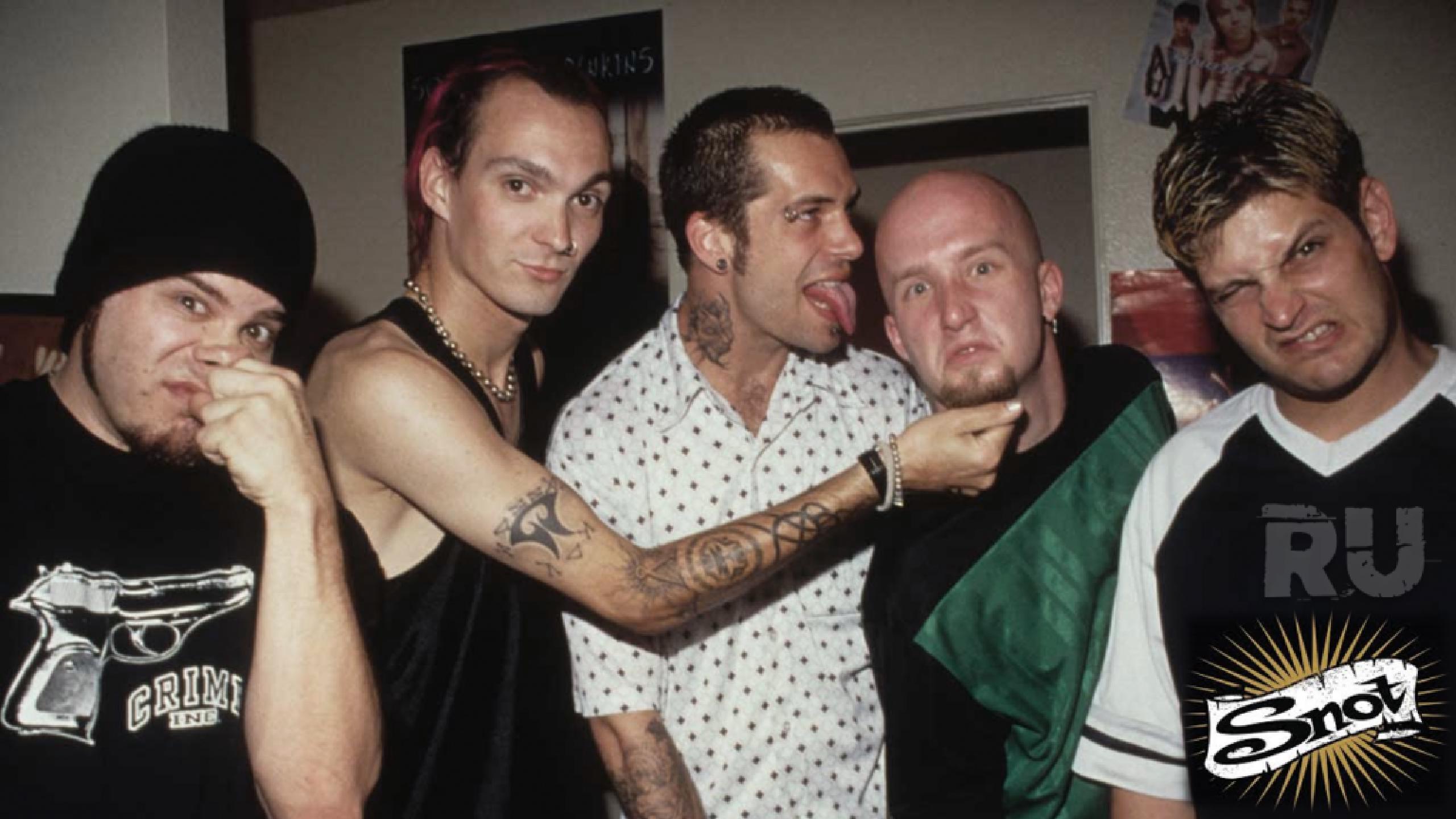
Nailbomb’s Spotify BioNailbomb was a brief project between ex-Sepultura singer/guitarist Max Cavalera and ex-Fudge Tunnel singer/guitarist Alex Newport. Although both of the bandmembers' full-time bands specialized in extreme metal sounds, Nailbomb somehow found a way to create even more dense and harsh metallic sounds (it also proves to be more repetitive, with the odd sample and drum machine detected here and there). In addition to the duo, most of Cavalera's then-bandmates from Sepultura (guitarist Andreas Kisser and drummer Igor Cavalera) and Fear Factory guitarist Dino Cazares made special guest appearances on Nailbomb's debut recording for Roadrunner Records, 1994's Point Blank, while the group's final release, 1995's Proud to Commit Commercial Suicide, featured appearances from former Dead Kennedys drummer D.H. Peligro, Biohazard bassist Evan Seinfeld, and Front Line Assembly/Fear Factory keyboardist Rhys Fulber. Since their sophomore release, little has been heard from Nailbomb, as Cavalera returned… back to Sepultura (later leaving the group to form Soulfly) and Newport began producing other hard rock artists (including At the Drive-In, Samiam, and Will Haven, among others). ~ Greg Prato, Rovi
Viberate is a music analytics platform built for A&Rs, artist managers, labels, booking agents, marketers, and artists.
It helps music professionals track artist growth, analyze audience data, monitor playlist activity, compare artists, follow song performance, and identify opportunities across the music market.
Public artist pages provide a free preview of selected artist data. Paid plans provide access to deeper analytics, historical data, charts, comparisons, playlist tools, exports, alerts, reports, and additional professional features.
Yes. Public Viberate artist pages provide selected artist analytics and music data for free.
Viberate also offers a 7-day free trial of the full platform. A credit card is required to start the trial. The trial includes access to the complete product so users can test deeper artist analytics, historical views, playlist insights, comparisons, charts, exports, alerts, and reporting features before choosing a paid plan.
Viberate provides artist analytics across streaming, playlists, social media, video, radio airplay, songs, and audience markets.
Users can analyze Spotify performance, Spotify and Apple Music playlists, YouTube activity, TikTok and Instagram growth, radio spins, song performance, audience locations, demographics, rankings, and overall artist momentum.
Artist profiles also connect to music charts, similar artists, and comparison tools, helping users benchmark performance and evaluate artists in context.
Viberate updates key artist and track data daily.
For followed artists and tracks, selected data is refreshed multiple times per day. This helps teams monitor playlist changes, streaming movement, audience growth, releases, and campaign performance with more current data.
Update frequency can vary depending on the metric and data source.
Yes. Viberate lets users compare up to five artists side by side across streaming, social media, audience, and engagement metrics.
Users can compare fanbase growth, audience demographics, locations, Spotify performance, social metrics, and other artist data over selected time periods.
Artist comparison can be used for A&R scouting, benchmarking, booking decisions, campaign planning, and evaluating artists with similar audiences or market positions.