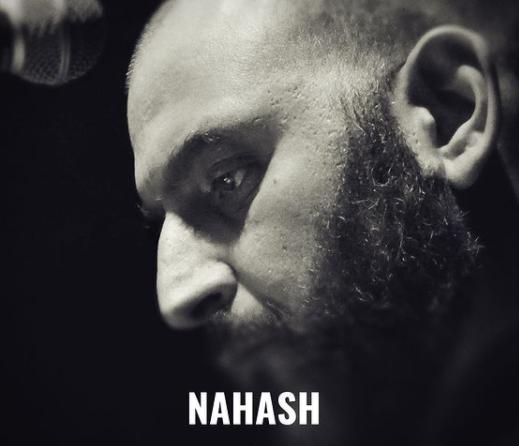
Nahash

Electronic
House
Other Electronic Music
 Viberate Rank: 425585
 Viberate Rank: 425585
 Monthly ListenersFollowers
 Subscribers
 Followers
 Followers
 FansTop Spotify Songs
| Track | 7-Day Streams | |
|---|---|---|
1 | 145 | |
2 | 80 | |
3 | 44 | |
4 | 38 | |
5 | 24 |
Top YouTube VideosMonthly ListenersFeatured in Playlists| Playlist | Followers | |
|---|---|---|
1 |  Evanora's Infinite Playlist evanora:unlimited | 4.39K |
2 |  Arabian Driftcore frickenmia | 3.99K |
3 |  Resident Advisor Best Tracks kane | 3.90K |
4 |  "Deconstructed club" Finn Brownlie | 3.44K |
5 |  The Sound of Deconstructed Club The Sounds of Spotify | 3.30K |
Audience| City | Monthly Listeners | |
|---|---|---|
1 |  | 29 |
2 |  | 24 |
3 |  | 21 |
4 | | 21 |
5 | | 15 |
See full performance history, audience data, playlist activity, rankings, comparisons, and more in Viberate music analytics. Start with a free trial, then continue with a paid plan.
Nahash’s Spotify BioNahash started in 2013 in Shanghai by Raphaël Valensi as a project to write the soundtrack for the end of the world.
A year prior, Raphaël released an oddball beat tape as Laura Ingalls and started playing live keys and vocals in the Psych Rock outfit Death To Ponies. Those experiences opened the way to experiment outside of the Dance / Dj Ready music they were originally involved in as Laura Ingalls and Acid Pony Club.
Nahash then released Metal inspired electronic music on Huashan Records that also served as a home for some of the freakiest noise and drone acts in China, while also hosting the “Let’s get naked and listen to a bunch drones” parties at the now legendary Shelter Club in Shanghai.
In 2017 Nahash moved from Shanghai to Montréal and there became SVBKVLT’s main mixing and mastering resource.
Meanwhile they released collaborative tracks and remixes with the shanghai based american artist Osheyack on labels such as Bedouin and CGI.
In 2019 Nahash sound came to a new form that… first crystallized in its remix of Gooooose’s Plasma Sunrise, a mix of pounding rave drums, harsh noise textures and warm percussion arranged through the filter of Dancehall, old UK Bleep and Jungle records.
Recently Nahash has gained some serious attention from peers and press alike with the aptly named “Flowers Of the Revolution” album out now on SVBKVLT.
Viberate is a music analytics platform built for A&Rs, artist managers, labels, booking agents, marketers, and artists.
It helps music professionals track artist growth, analyze audience data, monitor playlist activity, compare artists, follow song performance, and identify opportunities across the music market.
Public artist pages provide a free preview of selected artist data. Paid plans provide access to deeper analytics, historical data, charts, comparisons, playlist tools, exports, alerts, reports, and additional professional features.
Yes. Public Viberate artist pages provide selected artist analytics and music data for free.
Viberate also offers a 7-day free trial of the full platform. A credit card is required to start the trial. The trial includes access to the complete product so users can test deeper artist analytics, historical views, playlist insights, comparisons, charts, exports, alerts, and reporting features before choosing a paid plan.
Viberate provides artist analytics across streaming, playlists, social media, video, radio airplay, songs, and audience markets.
Users can analyze Spotify performance, Spotify and Apple Music playlists, YouTube activity, TikTok and Instagram growth, radio spins, song performance, audience locations, demographics, rankings, and overall artist momentum.
Artist profiles also connect to music charts, similar artists, and comparison tools, helping users benchmark performance and evaluate artists in context.
Viberate updates key artist and track data daily.
For followed artists and tracks, selected data is refreshed multiple times per day. This helps teams monitor playlist changes, streaming movement, audience growth, releases, and campaign performance with more current data.
Update frequency can vary depending on the metric and data source.
Yes. Viberate lets users compare up to five artists side by side across streaming, social media, audience, and engagement metrics.
Users can compare fanbase growth, audience demographics, locations, Spotify performance, social metrics, and other artist data over selected time periods.
Artist comparison can be used for A&R scouting, benchmarking, booking decisions, campaign planning, and evaluating artists with similar audiences or market positions.