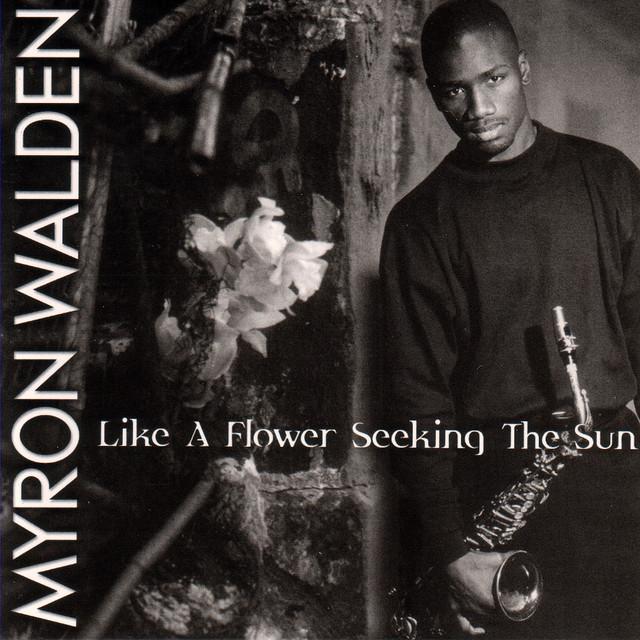
Myron Walden

Jazz
Smooth Jazz
Bebop
 Viberate Rank: 318550
 Viberate Rank: 318550
 Monthly ListenersFollowers
 Subscribers
 Followers
 Followers
 FansTop Spotify Songs
| Track | 7-Day Streams | |
|---|---|---|
1 | 84 | |
2 | 44 | |
3 | 41 | |
4 | 40 | |
5 | 34 |
Top YouTube VideosMonthly ListenersFeatured in Playlists| Playlist | Followers | |
|---|---|---|
1 |  Midnight Jazz Bar 🍸 by Don's Tunes Don's Tunes | 11.61K |
2 |  CONTEMPORARY JAZZ selected-by-guerino | 7.87K |
3 |  Deep Spiritual Jazz Neil Lampert | 7.31K |
4 |  ECM Yves Riviere | 5.39K |
5 |  Jassmine Radio Jassmine | 3.43K |
Audience| City | Monthly Listeners | |
|---|---|---|
1 | | 9 |
2 | | 8 |
3 | | 7 |
4 |  | 6 |
5 | | 4 |
See full performance history, audience data, playlist activity, rankings, comparisons, and more in Viberate music analytics. Start with a free trial, then continue with a paid plan.
Myron Walden’s Spotify BioAlto saxophonist/composer Myron Walden was born on October 18, 1973 in Miami, FL, relocating to Harlem at the age of 12. Subsequent exposure to Charlie Parker inspired the teen to pick up the alto, and he went on to study at LaGuardia High School of Music and Art and the Harlem School of the Arts, additionally honing his craft under the tutelage of Yusef Lateef, Donald Byrd, and others. In 1993 Walden won top honors at the prestigious Charlie Parker competition at Lincoln Center's Alice Tully Hall, going on to perform alongside the likes of Wynton Marsalis, Nat Adderley, and Lou Donaldson before making his debut as a leader with 1996's Hypnosis. Like a Flower Seeking the Sun followed in 1999.
Since the early-2000s Walden has kept busy releasing several albums, including the piano-less quartet album Higher Ground in 2002 and This Way in 2005. In 2009, Walden released the first of several albums designed to showcase different aspects of his playing personality, starting with Momentum.… Meant to focus on Walden's intellectual side, the album was accompanied by Momentum Live. Continuing in this vein, Walden again returned with two albums, this time focusing on his spiritual side, including In This World: To Feel and In This World: What We Share. The album Countryfied, which focuses on Walden's rootsy side, was released in August of 2010. ~ Jason Ankeny, Rovi
Viberate is a music analytics platform built for A&Rs, artist managers, labels, booking agents, marketers, and artists.
It helps music professionals track artist growth, analyze audience data, monitor playlist activity, compare artists, follow song performance, and identify opportunities across the music market.
Public artist pages provide a free preview of selected artist data. Paid plans provide access to deeper analytics, historical data, charts, comparisons, playlist tools, exports, alerts, reports, and additional professional features.
Yes. Public Viberate artist pages provide selected artist analytics and music data for free.
Viberate also offers a 7-day free trial of the full platform. A credit card is required to start the trial. The trial includes access to the complete product so users can test deeper artist analytics, historical views, playlist insights, comparisons, charts, exports, alerts, and reporting features before choosing a paid plan.
Viberate provides artist analytics across streaming, playlists, social media, video, radio airplay, songs, and audience markets.
Users can analyze Spotify performance, Spotify and Apple Music playlists, YouTube activity, TikTok and Instagram growth, radio spins, song performance, audience locations, demographics, rankings, and overall artist momentum.
Artist profiles also connect to music charts, similar artists, and comparison tools, helping users benchmark performance and evaluate artists in context.
Viberate updates key artist and track data daily.
For followed artists and tracks, selected data is refreshed multiple times per day. This helps teams monitor playlist changes, streaming movement, audience growth, releases, and campaign performance with more current data.
Update frequency can vary depending on the metric and data source.
Yes. Viberate lets users compare up to five artists side by side across streaming, social media, audience, and engagement metrics.
Users can compare fanbase growth, audience demographics, locations, Spotify performance, social metrics, and other artist data over selected time periods.
Artist comparison can be used for A&R scouting, benchmarking, booking decisions, campaign planning, and evaluating artists with similar audiences or market positions.