My Own Grave

Metal
Death Metal
 Viberate Rank: 545432
 Viberate Rank: 545432
 Monthly ListenersFollowers
 Subscribers
 Followers
 Followers
 FansTop Spotify Songs
| Track | 7-Day Streams | |
|---|---|---|
1 | 33 | |
2 | 18 | |
3 | 12 | |
4 | 9 | |
5 | 8 |
Top YouTube Videos| Video | 7-Day Views | |
|---|---|---|
1 | 2 |
Monthly ListenersFeatured in Playlists| Playlist | Followers | |
|---|---|---|
1 |  Darth Maul Star Wars | 4.27K |
2 | DEATH METAL/GRINDCORE/BLACK METAL/DOOM DEATH ++ Tokes | 2.81K |
3 |  Black/Death/Trash Metal Leeloki | 2.69K |
4 |  Melodic Death Metal Chalo Rpo | 2.56K |
5 |  Death Metal / Brutal Death Metal Subterranean Steel | 2.11K |
Audience| City | Monthly Listeners | |
|---|---|---|
1 | | 6 |
2 |  | 4 |
3 |  | 3 |
4 |  | 3 |
5 | | 3 |
See full performance history, audience data, playlist activity, rankings, comparisons, and more in Viberate music analytics. Start with a free trial, then continue with a paid plan.
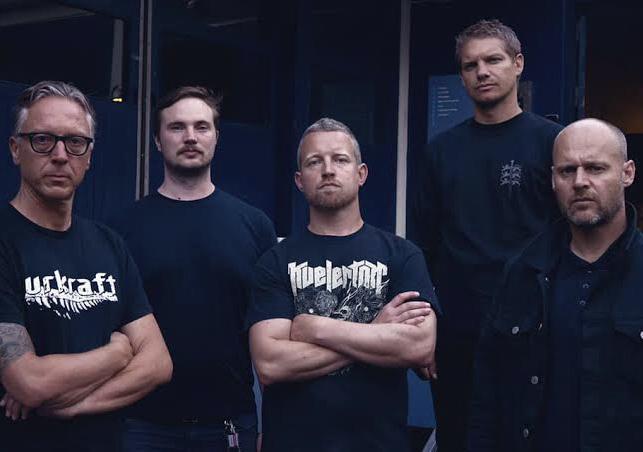
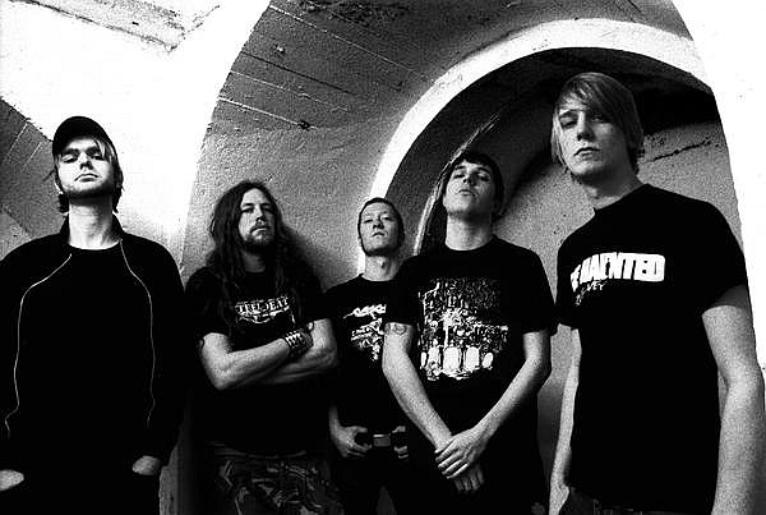
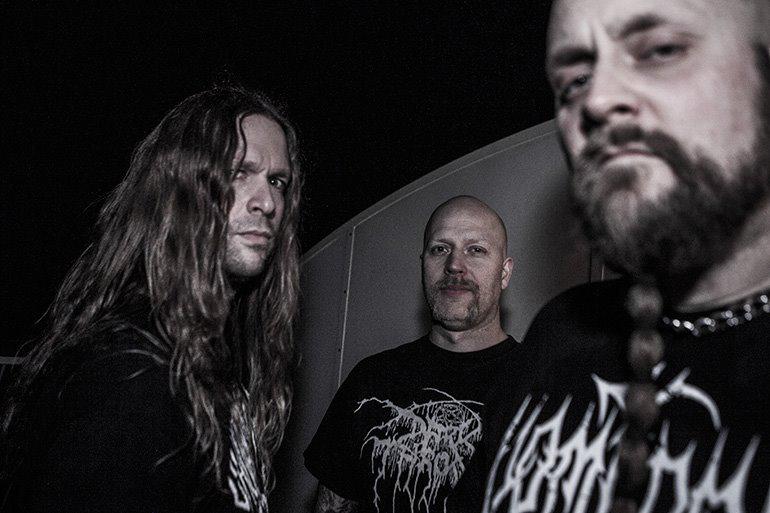
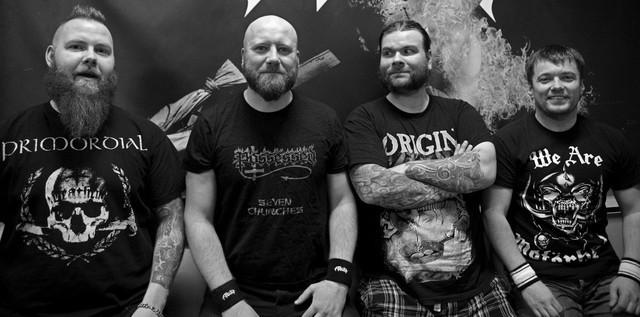
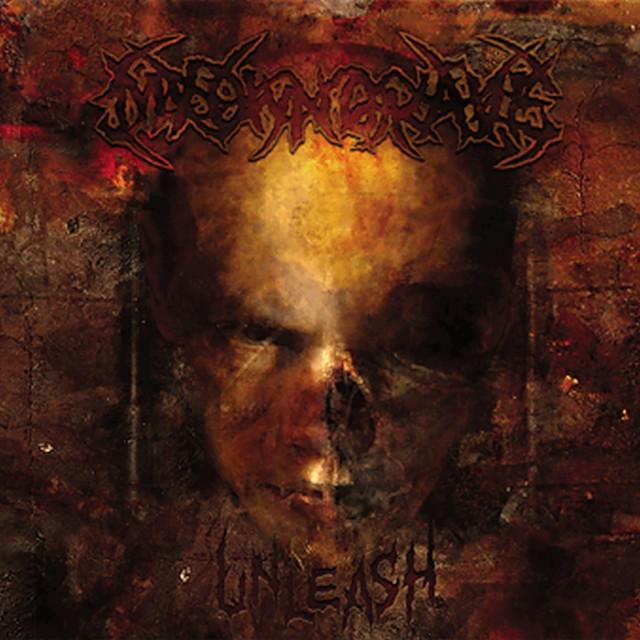
My Own Grave’s Spotify BioA melodic death metal band that doesn't think twice about dabbling in thrash and black metal trickery now and then, Sundsvall, Sweden's My Own Grave were formed in 2001 by guitarist Anders Härén, bassist Max Bergman, and drummer John Henriksson. Joined shortly thereafter by vocalist Ramin Farhadian, they recorded a first demo entitled New Path/Same Path and, following the arrival of second guitarist Stefan Kihlgren, came another, called Dissection of a Mind, and their first live performances during the summer of 2002. But the band's relationship with Farhadian had already begun to sour by year's end, during the troubled recording of third demo Blood and Ashes, thus leading to his replacement in March of 2003 by former Mord, Ontogenesis, and Cavevomit (yes, Cavevomit) frontman Mikael Aronsson, who debuted on the next year's fourth demo, Progression Through Deterioration. The last of these finally proved to be the charm by helping the group secure a deal with Karmageddon Media for the… release of its first album proper, 2006's Unleash, but My Own Grave would quickly graduate to Pulverised Records for 2007's Unholy EP and 2009's sophomore full-length, Necrology, which was produced by Edge of Sanity legend Dan Swanö. ~ Eduardo Rivadavia, Rovi
Viberate is a music analytics platform built for A&Rs, artist managers, labels, booking agents, marketers, and artists.
It helps music professionals track artist growth, analyze audience data, monitor playlist activity, compare artists, follow song performance, and identify opportunities across the music market.
Public artist pages provide a free preview of selected artist data. Paid plans provide access to deeper analytics, historical data, charts, comparisons, playlist tools, exports, alerts, reports, and additional professional features.
Yes. Public Viberate artist pages provide selected artist analytics and music data for free.
Viberate also offers a 7-day free trial of the full platform. A credit card is required to start the trial. The trial includes access to the complete product so users can test deeper artist analytics, historical views, playlist insights, comparisons, charts, exports, alerts, and reporting features before choosing a paid plan.
Viberate provides artist analytics across streaming, playlists, social media, video, radio airplay, songs, and audience markets.
Users can analyze Spotify performance, Spotify and Apple Music playlists, YouTube activity, TikTok and Instagram growth, radio spins, song performance, audience locations, demographics, rankings, and overall artist momentum.
Artist profiles also connect to music charts, similar artists, and comparison tools, helping users benchmark performance and evaluate artists in context.
Viberate updates key artist and track data daily.
For followed artists and tracks, selected data is refreshed multiple times per day. This helps teams monitor playlist changes, streaming movement, audience growth, releases, and campaign performance with more current data.
Update frequency can vary depending on the metric and data source.
Yes. Viberate lets users compare up to five artists side by side across streaming, social media, audience, and engagement metrics.
Users can compare fanbase growth, audience demographics, locations, Spotify performance, social metrics, and other artist data over selected time periods.
Artist comparison can be used for A&R scouting, benchmarking, booking decisions, campaign planning, and evaluating artists with similar audiences or market positions.