My Missing Half

Metal
Death Metal
Metalcore/Deathcore
 Viberate Rank: 431730
 Viberate Rank: 431730
 Monthly ListenersFollowers
 Subscribers
 Followers
 Followers
 FansTop Spotify Songs
| Track | 7-Day Streams | |
|---|---|---|
1 | 25 | |
2 | 10 | |
3 | 8 | |
4 | 7 | |
5 | 6 |
Top YouTube VideosMonthly ListenersFeatured in PlaylistsAudience| City | Monthly Listeners | |
|---|---|---|
1 | | 7 |
2 | | 3 |
3 |  | 3 |
4 | | 3 |
See full performance history, audience data, playlist activity, rankings, comparisons, and more in Viberate music analytics. Start with a free trial, then continue with a paid plan.
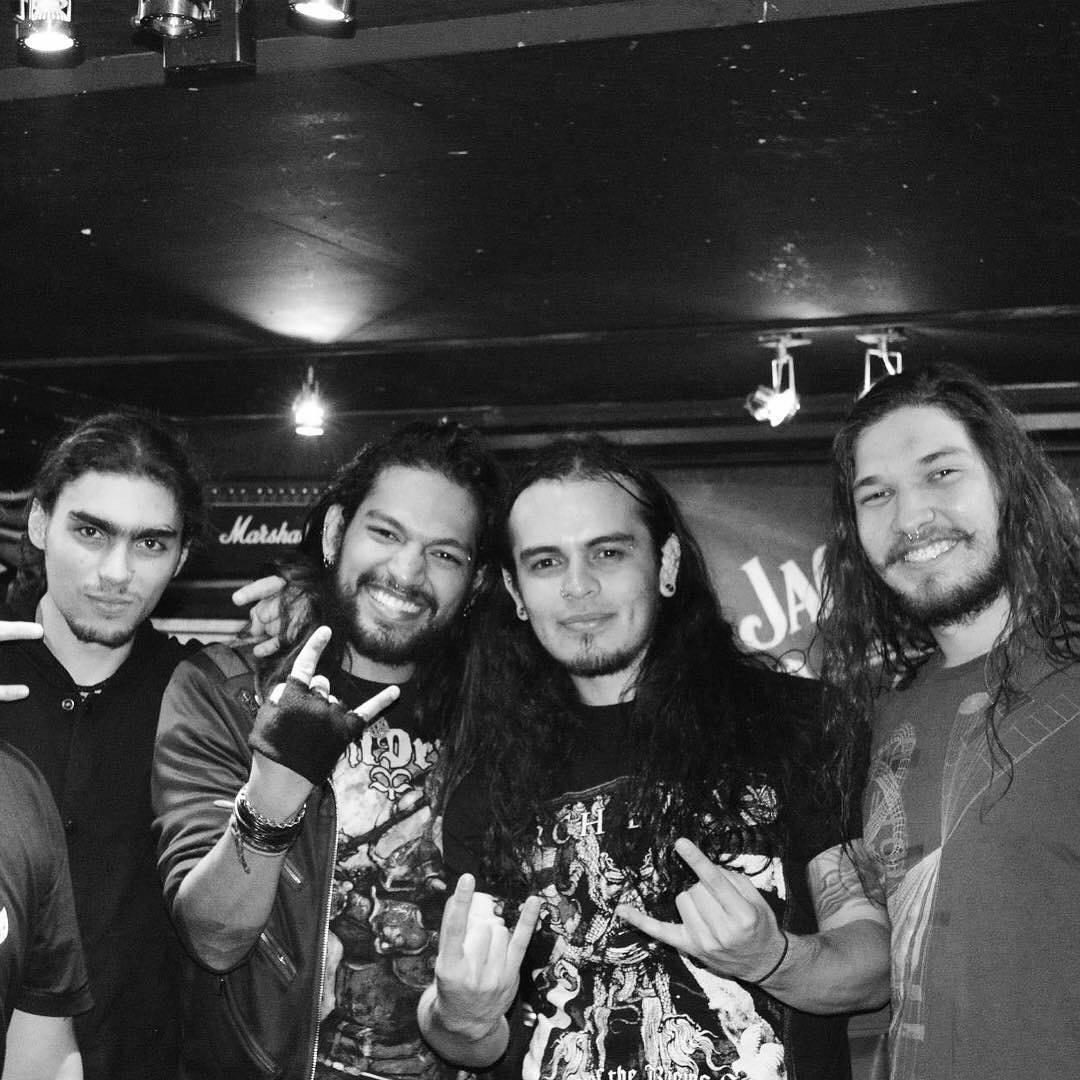
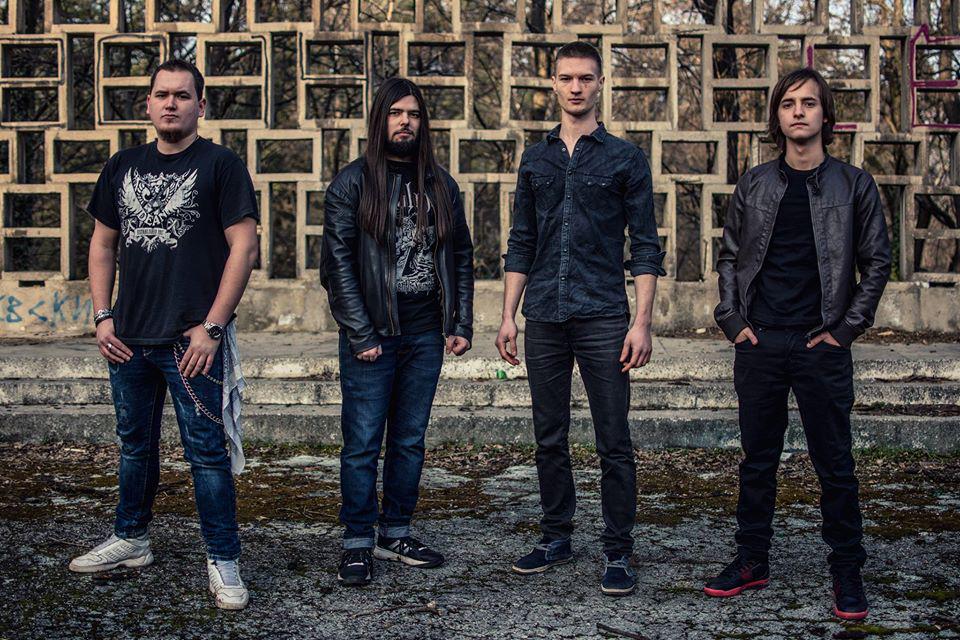
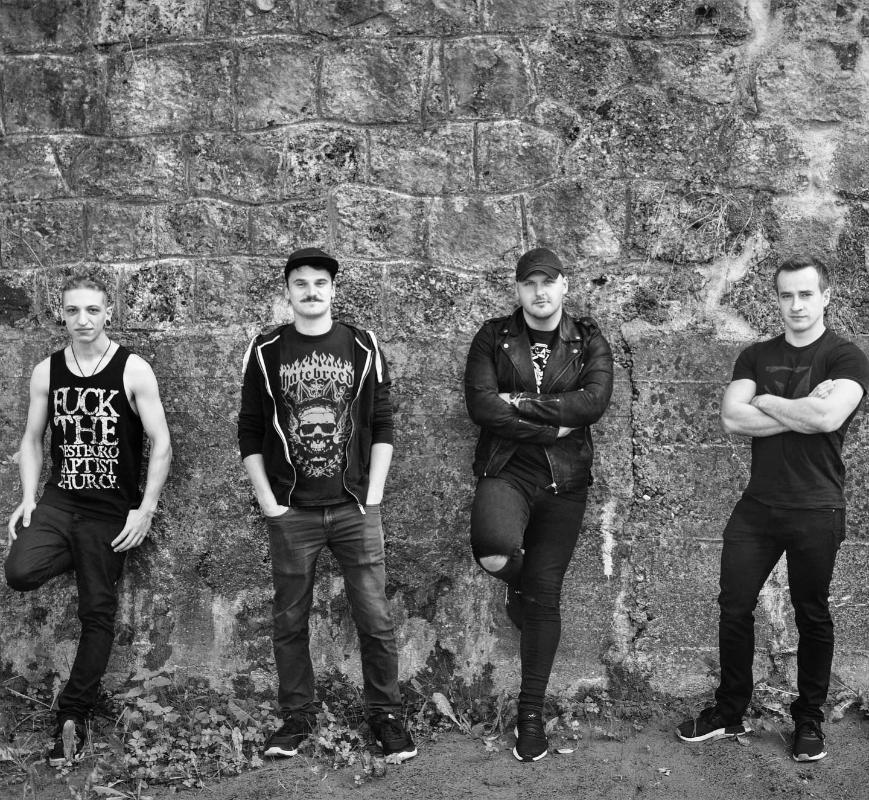
My Missing Half’s Spotify BioFormed back in 2011, MY MISSING HALF’s rapid creative growth began in full force: transforming from a humble, home-recorded project into an aggressive, melancholic, melodic death metal machine. The band abandoned initial influences for less-orthodox idols such as Scandinavian melodic death metal legends Dark Tranquillity and Insomnium – two bands with whom MY MISSING HALF has now had the honor of sharing stages.
As heard on previous releases such as the full-length album “The Lives I’ve Ruined” (2014) and the EP “A Proper Hangman’s Knot” (2016), MY MISSING HALF dives right into the most introspective and warped areas of the mind, defying easy categorization and disregarding all conventional notions about how melodic death metal should sound.
In 2020, the band released their sophomore album, “Ceaseless Decay”, delivering songs that threaten to swallow the listener whole, with rushing dual-guitar shredding, panicked riffs, and chilling melodies that segue into a violent mess of lyrics… addressing themes as personal as depression, anxiety, dysmorphia, and balancing competing mental agonies.
Alongside these studio efforts, they have spent years spreading their relentless cacophony across North America, with acts such as Revocation, Soilwork, Cognitive, Carnifex, Summoning The Lich, and many more.
Now partnered with De Reyna Artist Management, MY MISSING HALF is currently in the midst of writing their next album - a brand new, brutal anthology of anguish and woe.
Viberate is a music analytics platform built for A&Rs, artist managers, labels, booking agents, marketers, and artists.
It helps music professionals track artist growth, analyze audience data, monitor playlist activity, compare artists, follow song performance, and identify opportunities across the music market.
Public artist pages provide a free preview of selected artist data. Paid plans provide access to deeper analytics, historical data, charts, comparisons, playlist tools, exports, alerts, reports, and additional professional features.
Yes. Public Viberate artist pages provide selected artist analytics and music data for free.
Viberate also offers a 7-day free trial of the full platform. A credit card is required to start the trial. The trial includes access to the complete product so users can test deeper artist analytics, historical views, playlist insights, comparisons, charts, exports, alerts, and reporting features before choosing a paid plan.
Viberate provides artist analytics across streaming, playlists, social media, video, radio airplay, songs, and audience markets.
Users can analyze Spotify performance, Spotify and Apple Music playlists, YouTube activity, TikTok and Instagram growth, radio spins, song performance, audience locations, demographics, rankings, and overall artist momentum.
Artist profiles also connect to music charts, similar artists, and comparison tools, helping users benchmark performance and evaluate artists in context.
Viberate updates key artist and track data daily.
For followed artists and tracks, selected data is refreshed multiple times per day. This helps teams monitor playlist changes, streaming movement, audience growth, releases, and campaign performance with more current data.
Update frequency can vary depending on the metric and data source.
Yes. Viberate lets users compare up to five artists side by side across streaming, social media, audience, and engagement metrics.
Users can compare fanbase growth, audience demographics, locations, Spotify performance, social metrics, and other artist data over selected time periods.
Artist comparison can be used for A&R scouting, benchmarking, booking decisions, campaign planning, and evaluating artists with similar audiences or market positions.