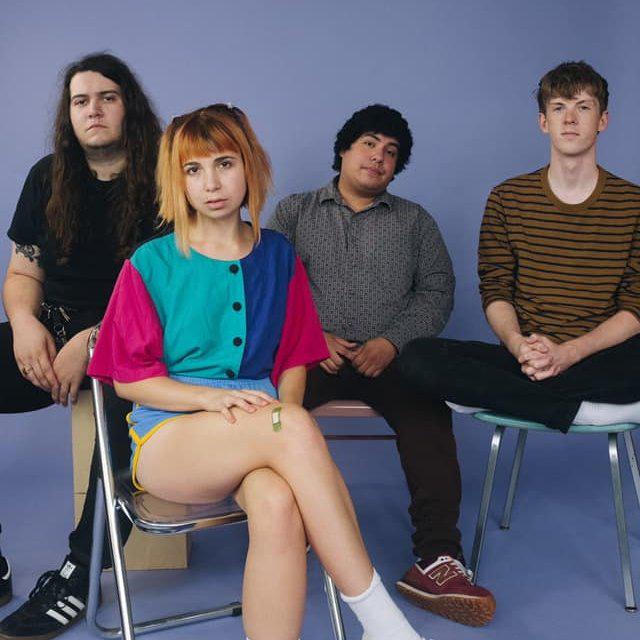
mxmtoon

Pop
Indie Pop
 Viberate Rank: 5711
 Viberate Rank: 5711
 Monthly ListenersFollowers
 Subscribers
 Followers
 Followers
 FansTop Spotify Songs
| Track | 7-Day Streams | |
|---|---|---|
1 | 1.53M | |
2 | 358.31K | |
3 | 185.81K | |
4 | 84.14K | |
5 | 58.81K |
Top YouTube Videos| Video | 7-Day Views | |
|---|---|---|
1 | 130.54K | |
2 | 10.59K | |
3 | 8.82K | |
4 | 7.72K | |
5 | 6.31K |
Monthly ListenersFeatured in Playlists| Playlist | Followers | |
|---|---|---|
1 |  TikTok Songs 2026 | Tik Tok Hits | Viral Hits LoudKult | 2.04M |
2 |  Infinite Indie Folk Spotify | 1.33M |
3 |  Fresh & Chill Spotify | 1.27M |
4 |  Indie Forever Spotify | 1.10M |
5 |  Morning Commute Spotify | 932.08K |
Audience| City | Monthly Listeners | |
|---|---|---|
1 | | 32.35K |
2 | | 28.87K |
3 |  | 27.34K |
4 |  | 26.13K |
5 |  | 25.92K |
See full performance history, audience data, playlist activity, rankings, comparisons, and more in Viberate music analytics. Start with a free trial, then continue with a paid plan.
mxmtoon’s Spotify BioThe world first met Maia when she was a 17-year-old singer with a ukulele and a now-famous screenname: mxmtoon. In 2017, and from the guest bedroom in her parents’ California home, the high-school student began posting covers of pop favorites and her own catchy confessional musings, tunes that spoke frankly of her setting’s assorted tribulations — dates and a lack thereof, online socializing and offline loneliness. A queer kid of mixed Chinese, German, and Scottish ancestry, Maia sang songs that expressed an interiority of the underrepresented with honesty, understanding, and hooks that could not be forgotten. mxmtoon became a streaming sensation, her teenage ditties defining a new era of what it meant to make bedroom pop. Stepping into the studio proper for her 2019 debut, the masquerade, mxmtoon became an avatar for the new bloom of representation and inclusion in American pop. When “prom dress” became a hit, Maia was still a teenager.
In truth, only five years have passed since… Maia’s self-made songs and videos began shaping a new sort of star through mxmtoon. But at least two of those years have, of course, passed like decades, each packed with enough worry and woe and loss and hope to catalyze aging at large. And so it goes with rising, mxmtoon’s bold and compelling and wise second album, a 12-song set that looks at the hardest lessons of these recent dark days and opts to surge forward through triumphs of pop-and-disco confessionalism.
Viberate is a music analytics platform built for A&Rs, artist managers, labels, booking agents, marketers, and artists.
It helps music professionals track artist growth, analyze audience data, monitor playlist activity, compare artists, follow song performance, and identify opportunities across the music market.
Public artist pages provide a free preview of selected artist data. Paid plans provide access to deeper analytics, historical data, charts, comparisons, playlist tools, exports, alerts, reports, and additional professional features.
Yes. Public Viberate artist pages provide selected artist analytics and music data for free.
Viberate also offers a 7-day free trial of the full platform. A credit card is required to start the trial. The trial includes access to the complete product so users can test deeper artist analytics, historical views, playlist insights, comparisons, charts, exports, alerts, and reporting features before choosing a paid plan.
Viberate provides artist analytics across streaming, playlists, social media, video, radio airplay, songs, and audience markets.
Users can analyze Spotify performance, Spotify and Apple Music playlists, YouTube activity, TikTok and Instagram growth, radio spins, song performance, audience locations, demographics, rankings, and overall artist momentum.
Artist profiles also connect to music charts, similar artists, and comparison tools, helping users benchmark performance and evaluate artists in context.
Viberate updates key artist and track data daily.
For followed artists and tracks, selected data is refreshed multiple times per day. This helps teams monitor playlist changes, streaming movement, audience growth, releases, and campaign performance with more current data.
Update frequency can vary depending on the metric and data source.
Yes. Viberate lets users compare up to five artists side by side across streaming, social media, audience, and engagement metrics.
Users can compare fanbase growth, audience demographics, locations, Spotify performance, social metrics, and other artist data over selected time periods.
Artist comparison can be used for A&R scouting, benchmarking, booking decisions, campaign planning, and evaluating artists with similar audiences or market positions.