MXMS

Pop
Indie Pop
Pop Rock
 Viberate Rank: 144264
 Viberate Rank: 144264
 Monthly ListenersFollowers
 Subscribers
 Followers
 Followers
 FansTop Spotify Songs
| Track | 7-Day Streams | |
|---|---|---|
1 | 7.02K | |
2 | 5.04K | |
3 | 3.13K | |
4 | 3.10K | |
5 | 2.67K |
Top YouTube VideosMonthly ListenersFeatured in Playlists| Playlist | Followers | |
|---|---|---|
1 |  Sludge Spotify | 236.91K |
2 |  MrSuicideSheep Uploads MrSuicideSheep | 68.06K |
3 |  Millennial Life Crisis Mike Price | 67.36K |
4 | Witch House Sidewalks and Skeletons | 66.69K |
5 |  This Never Happened Lane 8 | 48.60K |
Audience| City | Monthly Listeners | |
|---|---|---|
1 | | 581 |
2 | | 530 |
3 | | 504 |
4 | | 501 |
5 | | 499 |
See full performance history, audience data, playlist activity, rankings, comparisons, and more in Viberate music analytics. Start with a free trial, then continue with a paid plan.
MXMS’ Spotify BioWhoever fights monsters should see to it that in the process (you) do not become a monster. And if you gaze long enough into an abyss, the abyss will gaze back into you.” -Friedrich Nietzsche
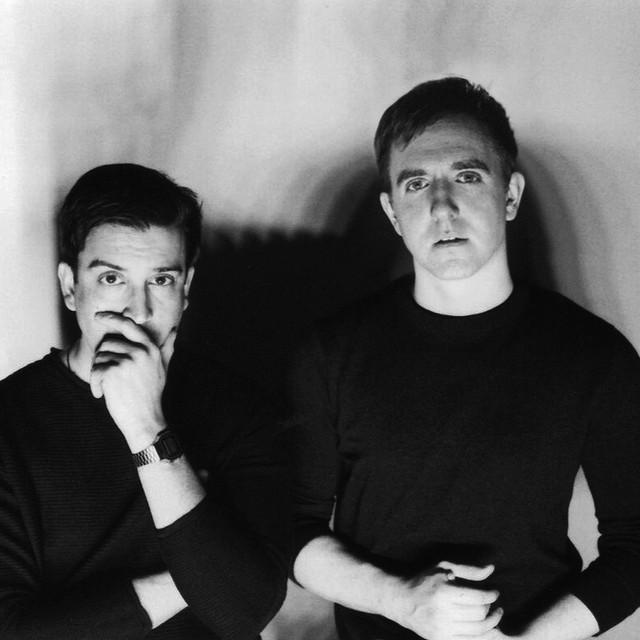
War torn from past and present battles of mental illness and addiction, the monsters are very real and the abyss is a current state of reality for MXMS, short for “Me and My Shadow." Comprised of singer Ariel Levitan and multi-instrumentalist Jeremy Dawson, the self-produced duo from New York City and small town Oklahoma creates their own musical genre “Funeral Pop” fusing classic melodic songwriting with dark unfiltered chaos driven by a thousand forms of fear.
Me and My Shadow pendulum swing from raw piano and voice to an expansive pallet of dark instrumentation, pulsing analog synthesizers and a crushing rhythm section layered around Ariel’s haunting delivery. Focusing on movements of emotional trauma and taboo metaphoric expression, the brutal honesty of MXMS leaves an open invitation for… listeners' own stories rise to the surface.
Their deubt EP Funeral Pop I includes previous singles “Paris,” “After Night,” and “Gravedigger,” which garnered attention from Suicide Sheep, Earmilk, KCRW, and Spotify editorial playlists including Chill Vibes, Alternative Beats, Sludge, Just Chill, Fresh Finds, and Indie Darlings as well as the Topsify's Indie Mixtape playlist. “Paris” also hit #1 on Hype Machine the first week of release and was critically hailed by press.
Viberate is a music analytics platform built for A&Rs, artist managers, labels, booking agents, marketers, and artists.
It helps music professionals track artist growth, analyze audience data, monitor playlist activity, compare artists, follow song performance, and identify opportunities across the music market.
Public artist pages provide a free preview of selected artist data. Paid plans provide access to deeper analytics, historical data, charts, comparisons, playlist tools, exports, alerts, reports, and additional professional features.
Yes. Public Viberate artist pages provide selected artist analytics and music data for free.
Viberate also offers a 7-day free trial of the full platform. A credit card is required to start the trial. The trial includes access to the complete product so users can test deeper artist analytics, historical views, playlist insights, comparisons, charts, exports, alerts, and reporting features before choosing a paid plan.
Viberate provides artist analytics across streaming, playlists, social media, video, radio airplay, songs, and audience markets.
Users can analyze Spotify performance, Spotify and Apple Music playlists, YouTube activity, TikTok and Instagram growth, radio spins, song performance, audience locations, demographics, rankings, and overall artist momentum.
Artist profiles also connect to music charts, similar artists, and comparison tools, helping users benchmark performance and evaluate artists in context.
Viberate updates key artist and track data daily.
For followed artists and tracks, selected data is refreshed multiple times per day. This helps teams monitor playlist changes, streaming movement, audience growth, releases, and campaign performance with more current data.
Update frequency can vary depending on the metric and data source.
Yes. Viberate lets users compare up to five artists side by side across streaming, social media, audience, and engagement metrics.
Users can compare fanbase growth, audience demographics, locations, Spotify performance, social metrics, and other artist data over selected time periods.
Artist comparison can be used for A&R scouting, benchmarking, booking decisions, campaign planning, and evaluating artists with similar audiences or market positions.