Mustard's Retreat

Country
Americana/Alt Country
 Viberate Rank: 435373
 Viberate Rank: 435373
 Monthly ListenersFollowers
 Subscribers
 Followers
 Followers
 FansTop Spotify Songs
| Track | 7-Day Streams | |
|---|---|---|
1 | 221 | |
2 | 201 | |
3 | 183 | |
4 | 48 | |
5 | 33 |
Top YouTube VideosMonthly ListenersFeatured in Playlists| Playlist | Followers | |
|---|---|---|
1 |  Sea shanties and folk songs discocassowary | 2.30K |
2 |  Sea Shanties & Work Songs thosesocks | 2.05K |
3 |  Old Folk Songs Albin Eriksson | 1.10K |
Audience| City | Monthly Listeners | |
|---|---|---|
1 | | 45 |
2 | | 35 |
3 | | 28 |
4 | | 27 |
5 | | 27 |
See full performance history, audience data, playlist activity, rankings, comparisons, and more in Viberate music analytics. Start with a free trial, then continue with a paid plan.
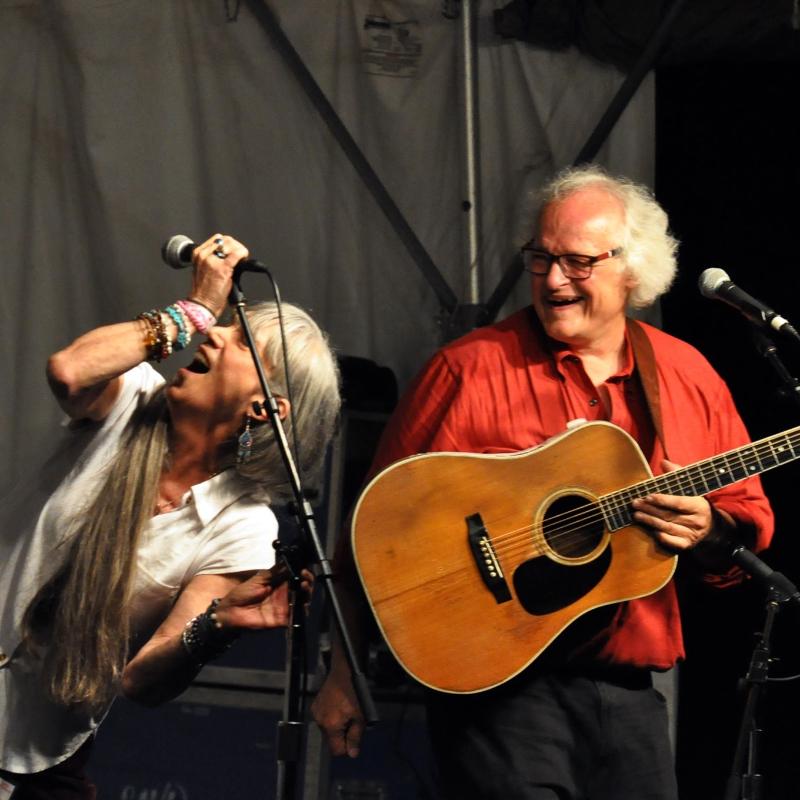
Mustard's Retreat’s Spotify BioMichael Hough and David Tamulevich formed the folk duo Mustard's Retreat in 1974 in Ann Arbor, MI. Both men were cooks, Connecticut natives, songwriters, and former members of church choirs. As Mustard's Retreat, the two friends performed in front of an audience for the first time at The Ark on one of the coffeehouse's open mic nights. Hough is accomplished on the Autoharp, guitar, and bass. Tamulevich lends his skills with the harmonica, guitar, penny whistle, and dulcimer.
A short time after that amateur appearance, the duo landed the job of house band for a local bar. It was the first time Hough and Tamulevich earned pay for performing. In less than two years, they were earning enough with their music to leave their cook jobs behind. In 1979, Mustard's Retreat recorded a self-titled debut album. It was four years before a sophomore work was completed, Home by the Morning, released under the Red House Records label; another four years and another album, Midwinter's Night.
Hough and… Tamulevich spent the next few years traveling across the East Coast and through the Midwest, performing at festivals, bars, and clubs. It would be 1994 before the duo recorded its next full-length offering, 5 Miles or 50,000 Years. It was followed in 1997 by The Wind and the Crickets, recorded under the Palmetto Records label and produced by Garnet Rogers. Some of the family-suitable tunes folk fans can find on this duo's albums are "Gather the Family," "The Volunteer Song," and "Festival Night." ~ Charlotte Dillon
Viberate is a music analytics platform built for A&Rs, artist managers, labels, booking agents, marketers, and artists.
It helps music professionals track artist growth, analyze audience data, monitor playlist activity, compare artists, follow song performance, and identify opportunities across the music market.
Public artist pages provide a free preview of selected artist data. Paid plans provide access to deeper analytics, historical data, charts, comparisons, playlist tools, exports, alerts, reports, and additional professional features.
Yes. Public Viberate artist pages provide selected artist analytics and music data for free.
Viberate also offers a 7-day free trial of the full platform. A credit card is required to start the trial. The trial includes access to the complete product so users can test deeper artist analytics, historical views, playlist insights, comparisons, charts, exports, alerts, and reporting features before choosing a paid plan.
Viberate provides artist analytics across streaming, playlists, social media, video, radio airplay, songs, and audience markets.
Users can analyze Spotify performance, Spotify and Apple Music playlists, YouTube activity, TikTok and Instagram growth, radio spins, song performance, audience locations, demographics, rankings, and overall artist momentum.
Artist profiles also connect to music charts, similar artists, and comparison tools, helping users benchmark performance and evaluate artists in context.
Viberate updates key artist and track data daily.
For followed artists and tracks, selected data is refreshed multiple times per day. This helps teams monitor playlist changes, streaming movement, audience growth, releases, and campaign performance with more current data.
Update frequency can vary depending on the metric and data source.
Yes. Viberate lets users compare up to five artists side by side across streaming, social media, audience, and engagement metrics.
Users can compare fanbase growth, audience demographics, locations, Spotify performance, social metrics, and other artist data over selected time periods.
Artist comparison can be used for A&R scouting, benchmarking, booking decisions, campaign planning, and evaluating artists with similar audiences or market positions.