Musta Paraati

Punk
Punk Rock
Death Rock
 Viberate Rank: 365001
 Viberate Rank: 365001
 Monthly ListenersFollowers
 Subscribers
 Followers
 Followers
 FansTop Spotify Songs
| Track | 7-Day Streams | |
|---|---|---|
1 | 232 | |
2 | 132 | |
3 | 102 | |
4 | 100 | |
5 | 75 |
Top YouTube VideosMonthly ListenersFeatured in Playlists| Playlist | Followers | |
|---|---|---|
1 |  Goth Dance Party vertical_illusion | 16.87K |
2 | Trad Goth Madi Danger | 7.40K |
3 |  𝕸𝖔𝖉𝖊𝖗𝖓 𝕲𝖔𝖙𝖍 𝕭𝖆𝖓𝖉𝖘 Madi Danger | 5.43K |
4 |  Goth music Ally | 3.15K |
5 | Tom Raven | 2.46K |
Audience| City | Monthly Listeners | |
|---|---|---|
1 | | 238 |
2 | | 32 |
3 | | 29 |
4 |  | 25 |
5 | | 23 |
See full performance history, audience data, playlist activity, rankings, comparisons, and more in Viberate music analytics. Start with a free trial, then continue with a paid plan.
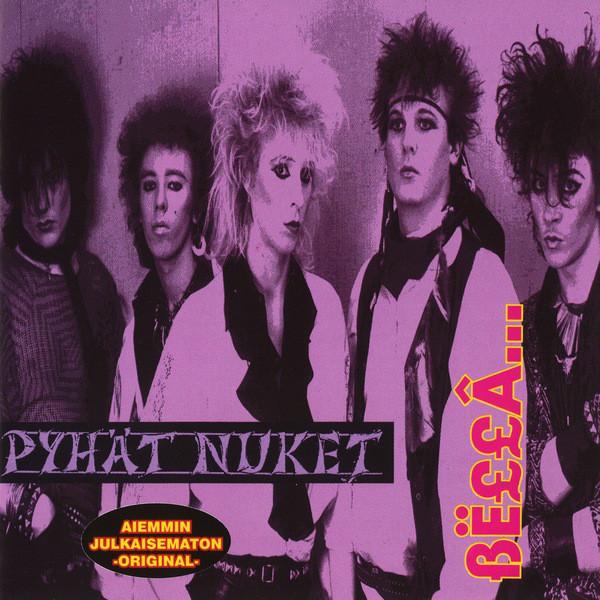
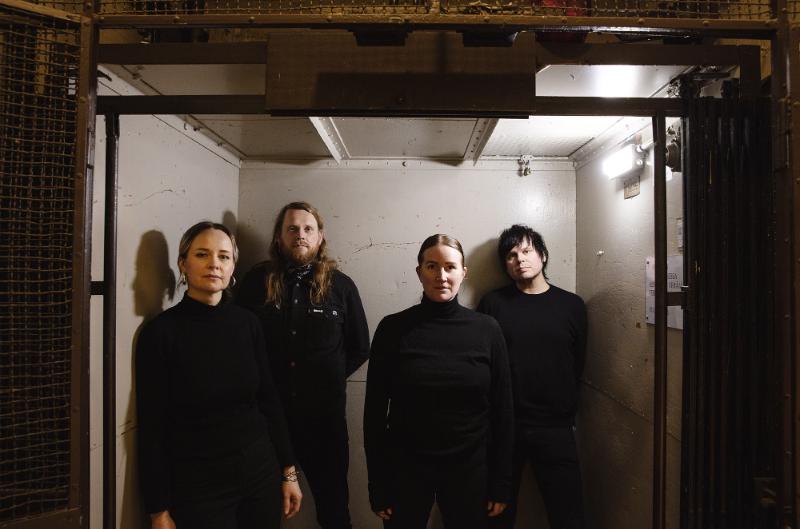
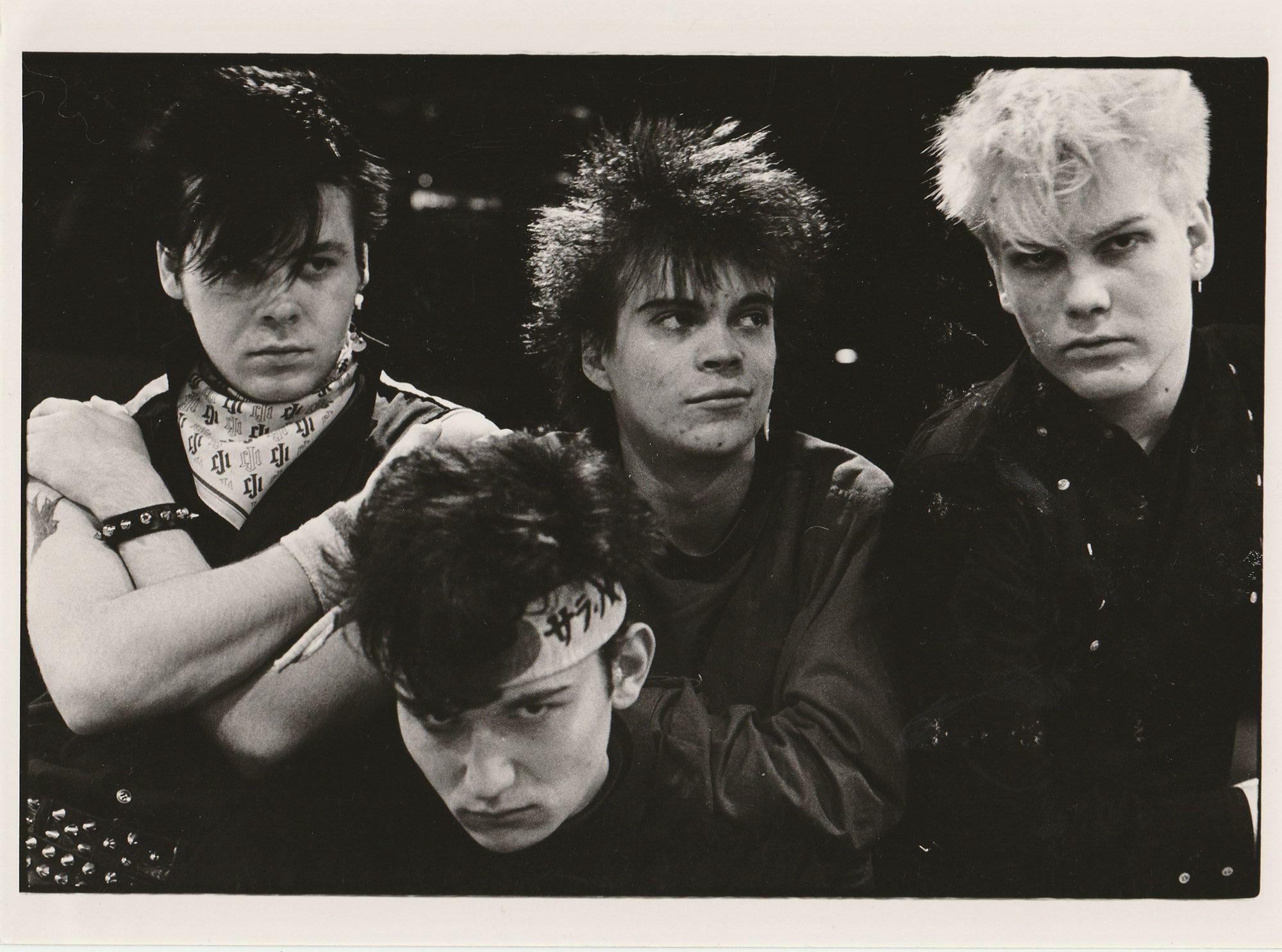
Musta Paraati’s Spotify BioMusta Paraati is a Finnish gothic rock/post-punk outfit who released a pair of influential albums in the early 1980s before ceasing operations in 1985. Employing a sinister blend of icy darkwave and driving, bass-heavy punk, the band's brooding aural emissions evoked the works of contemporaries like Killing Joke and Theatre of Hate.
Formed in 1982, the group cycled through dozens of members during their initial run (original vocalist Jorma Vastelin died from cardiac arrest in 1993), releasing Peilitalossa in 1983 and Käärmeet in 1984, and then breaking up one year later. Renewed interest in the band, spearheaded in part by the post-punk revival of the early 2000s, prompted Svart Records to reissue Peilitalossa in 2012, and three years later Musta Paraati re-formed for a series of shows in Finland. In 2018, the band made it official and inked a deal with Cleopatra, which issued their first set of new music in decades, the aptly named Black Parade (Finnish translation: Musta Paraati). The… 11-track set featured a lineup consisting of original members Saku Paasiniemi (guitar), Panda Nikander (bass), Yrjo Knuuttila (drums), and Jani Kääriäinen (keyboards), and saw 69 Eyes frontman Jyrki 69 handling vocal duties. ~ James Christopher Monger, Rovi
Viberate is a music analytics platform built for A&Rs, artist managers, labels, booking agents, marketers, and artists.
It helps music professionals track artist growth, analyze audience data, monitor playlist activity, compare artists, follow song performance, and identify opportunities across the music market.
Public artist pages provide a free preview of selected artist data. Paid plans provide access to deeper analytics, historical data, charts, comparisons, playlist tools, exports, alerts, reports, and additional professional features.
Yes. Public Viberate artist pages provide selected artist analytics and music data for free.
Viberate also offers a 7-day free trial of the full platform. A credit card is required to start the trial. The trial includes access to the complete product so users can test deeper artist analytics, historical views, playlist insights, comparisons, charts, exports, alerts, and reporting features before choosing a paid plan.
Viberate provides artist analytics across streaming, playlists, social media, video, radio airplay, songs, and audience markets.
Users can analyze Spotify performance, Spotify and Apple Music playlists, YouTube activity, TikTok and Instagram growth, radio spins, song performance, audience locations, demographics, rankings, and overall artist momentum.
Artist profiles also connect to music charts, similar artists, and comparison tools, helping users benchmark performance and evaluate artists in context.
Viberate updates key artist and track data daily.
For followed artists and tracks, selected data is refreshed multiple times per day. This helps teams monitor playlist changes, streaming movement, audience growth, releases, and campaign performance with more current data.
Update frequency can vary depending on the metric and data source.
Yes. Viberate lets users compare up to five artists side by side across streaming, social media, audience, and engagement metrics.
Users can compare fanbase growth, audience demographics, locations, Spotify performance, social metrics, and other artist data over selected time periods.
Artist comparison can be used for A&R scouting, benchmarking, booking decisions, campaign planning, and evaluating artists with similar audiences or market positions.