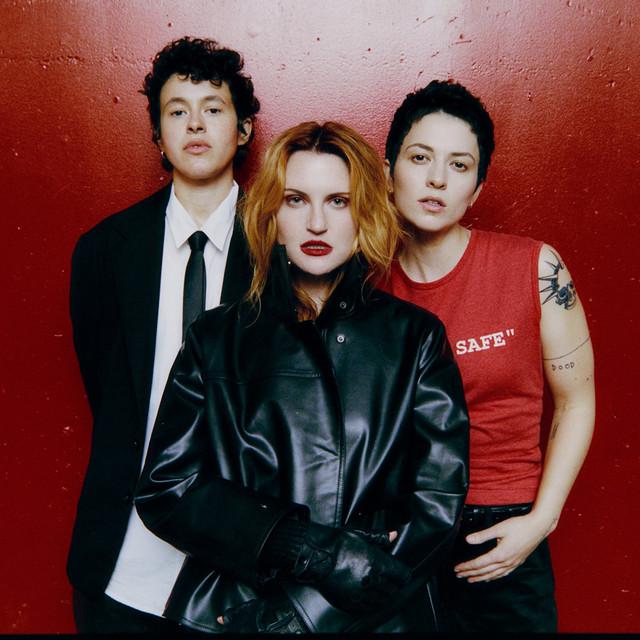
MUNA

Pop
Indie Pop
Pop Rock
 Viberate Rank: 11132
 Viberate Rank: 11132
 Monthly ListenersFollowers
 Subscribers
 Followers
 Followers
 FansTop Spotify Songs
| Track | 7-Day Streams | |
|---|---|---|
1 | 161.55K | |
2 | 145.50K | |
3 | 111.95K | |
4 | 92.36K | |
5 | 84.80K |
Top YouTube VideosMonthly ListenersFeatured in Playlists| Playlist | Followers | |
|---|---|---|
1 |  Workout Spotify | 4.68M |
2 |  Life Sucks Spotify | 3.91M |
3 |  it's alt good Spotify | 1.48M |
4 |  Acoustic Hits Spotify | 1.46M |
5 |  Easy Spotify | 1.30M |
Audience| City | Monthly Listeners | |
|---|---|---|
1 | | 38.08K |
2 |  | 36.15K |
3 | | 26.87K |
4 | | 26.58K |
5 | | 24.90K |
See full performance history, audience data, playlist activity, rankings, comparisons, and more in Viberate music analytics. Start with a free trial, then continue with a paid plan.
MUNA’s Spotify BioMUNA’s journey has always been about holding space for the complex, messy, ecstatic realities of life, and with their fourth album, Dancing On The Wall, they’ve never been sharper, darker, or more exhilarating. Emerging from the sparkly, confetti-strewn heights of their 2022 self-titled record, MUNA now channel the anxious, uncertain energy of living in a Los Angeles defined by political tension, environmental decay, and the quiet pressures of millennial precarity. The result is a record that feels both intimate and spectacular, a pop world built with teeth, wit, & emotional resonance, a soundtrack for hearts simultaneously on fire and observing the chaos around them.
The record is produced by Naomi McPherson, with their trademark attention to detail blending effortlessly with bandmate Josette Maskin’s well-honed behind-the-scenes pop technique to create living, breathing worlds for lead singer Katie Gavin’s incisive lyricism and signature voice. Dancing On The Wall blends euphoric… sonic landscapes with sharp, human storytelling. The album reflects a fiercely self-directed creative process, one shaped by instinct, trust, and total artistic control. It feels lived-in, urgent, and cinematic, a reflection of a generation navigating uncertainty while refusing to let go of joy. With this album, MUNA proves once again that pop can be daring, intimate, and socially conscious all at once: a record that doesn’t just capture the moment but distills it into a world you want to inhabit.
Viberate is a music analytics platform built for A&Rs, artist managers, labels, booking agents, marketers, and artists.
It helps music professionals track artist growth, analyze audience data, monitor playlist activity, compare artists, follow song performance, and identify opportunities across the music market.
Public artist pages provide a free preview of selected artist data. Paid plans provide access to deeper analytics, historical data, charts, comparisons, playlist tools, exports, alerts, reports, and additional professional features.
Yes. Public Viberate artist pages provide selected artist analytics and music data for free.
Viberate also offers a 7-day free trial of the full platform. A credit card is required to start the trial. The trial includes access to the complete product so users can test deeper artist analytics, historical views, playlist insights, comparisons, charts, exports, alerts, and reporting features before choosing a paid plan.
Viberate provides artist analytics across streaming, playlists, social media, video, radio airplay, songs, and audience markets.
Users can analyze Spotify performance, Spotify and Apple Music playlists, YouTube activity, TikTok and Instagram growth, radio spins, song performance, audience locations, demographics, rankings, and overall artist momentum.
Artist profiles also connect to music charts, similar artists, and comparison tools, helping users benchmark performance and evaluate artists in context.
Viberate updates key artist and track data daily.
For followed artists and tracks, selected data is refreshed multiple times per day. This helps teams monitor playlist changes, streaming movement, audience growth, releases, and campaign performance with more current data.
Update frequency can vary depending on the metric and data source.
Yes. Viberate lets users compare up to five artists side by side across streaming, social media, audience, and engagement metrics.
Users can compare fanbase growth, audience demographics, locations, Spotify performance, social metrics, and other artist data over selected time periods.
Artist comparison can be used for A&R scouting, benchmarking, booking decisions, campaign planning, and evaluating artists with similar audiences or market positions.