Mucky Pup

Metal
Thrash Metal
Hardcore Punk
 Viberate Rank: 211969
 Viberate Rank: 211969
 Monthly ListenersFollowers
 Subscribers
 Followers
 Followers
 FansTop Spotify Songs
| Track | 7-Day Streams | |
|---|---|---|
1 | 1.02K | |
2 | 459 | |
3 | 369 | |
4 | 343 | |
5 | 207 |
Top YouTube VideosMonthly ListenersFeatured in Playlists| Playlist | Followers | |
|---|---|---|
1 |  Ipanema FM VIVE! Baú da 94.9 Eduardo Nunes | 4.94K |
2 |  The Sound of Crossover Thrash The Sounds of Spotify | 4.19K |
3 |  The Sound of Funk Metal The Sounds of Spotify | 4.12K |
4 |  Crossing all over (1-18, nu ballads,The Classix) Peter Suess | 3.14K |
5 |  Radio Willy David Derouck | 2.66K |
Audience| City | Monthly Listeners | |
|---|---|---|
1 |  | 133 |
2 | | 125 |
3 | | 99 |
4 |  | 96 |
5 | | 91 |
See full performance history, audience data, playlist activity, rankings, comparisons, and more in Viberate music analytics. Start with a free trial, then continue with a paid plan.
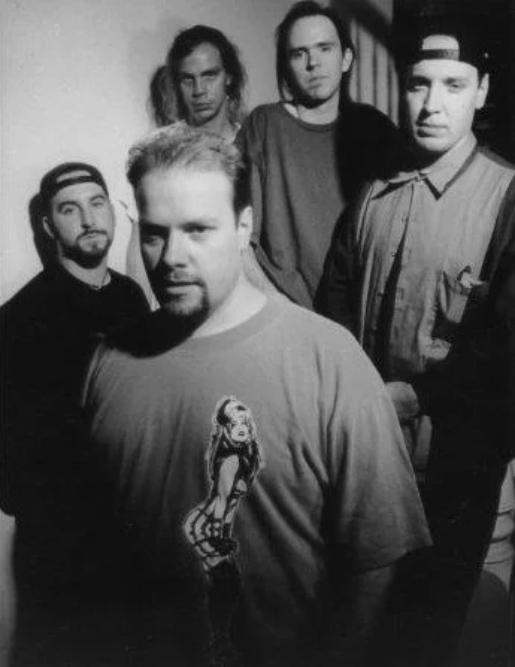
Mucky Pup’s Spotify BioNew Jersey comedic hardcore metallists Mucky Pup paved the way for such future juvenile acts as the Bloodhound Gang (look no further than some of their song titles -- "Death by Cholesterol," "Hippies Hate Water," "She Quieffed," etc.). The group originally formed in the mid-'80s, comprised of members Dan Nastasi (guitar), John Milnes (drums), Chris Milnes (vocals), and Scott LePage (bass), which led to numerous local shows and two demos that sold well. This led to a deal with the independent Torrid label, as the group issued albums on a steady basis for nearly ten years: 1987's Can't You Take a Joke?, 1989's A Boy in a Man's World, 1991's Now, 1992's Act of Faith, 1993's Lemonade, 1995's in-concert Alive and Well, and 1996's Five Guys in a Really Hot Garage. Although Mucky Pup never broke out of the metal/hardcore underground in the U.S., they achieved much greater success overseas in Europe. The group split up by the late '90s, as founder Nastasi (who had left the group a few years… prior) achieved moderate success with a similarly styled outfit, Dog Eat Dog. In February of 2000, Mucky Pup reunited for a one-off show in New Jersey. ~ Greg Prato, Rovi
Viberate is a music analytics platform built for A&Rs, artist managers, labels, booking agents, marketers, and artists.
It helps music professionals track artist growth, analyze audience data, monitor playlist activity, compare artists, follow song performance, and identify opportunities across the music market.
Public artist pages provide a free preview of selected artist data. Paid plans provide access to deeper analytics, historical data, charts, comparisons, playlist tools, exports, alerts, reports, and additional professional features.
Yes. Public Viberate artist pages provide selected artist analytics and music data for free.
Viberate also offers a 7-day free trial of the full platform. A credit card is required to start the trial. The trial includes access to the complete product so users can test deeper artist analytics, historical views, playlist insights, comparisons, charts, exports, alerts, and reporting features before choosing a paid plan.
Viberate provides artist analytics across streaming, playlists, social media, video, radio airplay, songs, and audience markets.
Users can analyze Spotify performance, Spotify and Apple Music playlists, YouTube activity, TikTok and Instagram growth, radio spins, song performance, audience locations, demographics, rankings, and overall artist momentum.
Artist profiles also connect to music charts, similar artists, and comparison tools, helping users benchmark performance and evaluate artists in context.
Viberate updates key artist and track data daily.
For followed artists and tracks, selected data is refreshed multiple times per day. This helps teams monitor playlist changes, streaming movement, audience growth, releases, and campaign performance with more current data.
Update frequency can vary depending on the metric and data source.
Yes. Viberate lets users compare up to five artists side by side across streaming, social media, audience, and engagement metrics.
Users can compare fanbase growth, audience demographics, locations, Spotify performance, social metrics, and other artist data over selected time periods.
Artist comparison can be used for A&R scouting, benchmarking, booking decisions, campaign planning, and evaluating artists with similar audiences or market positions.