MoYtanIc

Hip Hop
Alternative Hip Hop
Contemporary Hip Hop
 Viberate Rank: 369276
 Viberate Rank: 369276
 Monthly ListenersFollowers
 Subscribers
 Followers
 Followers
 FansTop Spotify Songs
| Track | 7-Day Streams | |
|---|---|---|
1 | 287 | |
2 | 252 | |
3 | 116 | |
4 | 103 | |
5 | 92 |
Top YouTube VideosMonthly ListenersFeatured in Playlists| Playlist | Followers | |
|---|---|---|
1 |  Old School Memphis Rap Niels Verheul | 49.08K |
2 | Memphis 66.6 | 4.97K |
3 |  New Deathcore 2026 RIFF CULT | 4.21K |
4 |  JDM CAR MUSIC/PHONK/JDM/CAR SONGS Brodie Harper | 4.15K |
5 |  TEAM7URBO PHONK UNIVERSE K1DCRYP7X | 3.92K |
Audience| City | Monthly Listeners | |
|---|---|---|
1 | | 52 |
2 | | 37 |
3 | | 37 |
4 | | 33 |
5 | | 31 |
See full performance history, audience data, playlist activity, rankings, comparisons, and more in Viberate music analytics. Start with a free trial, then continue with a paid plan.
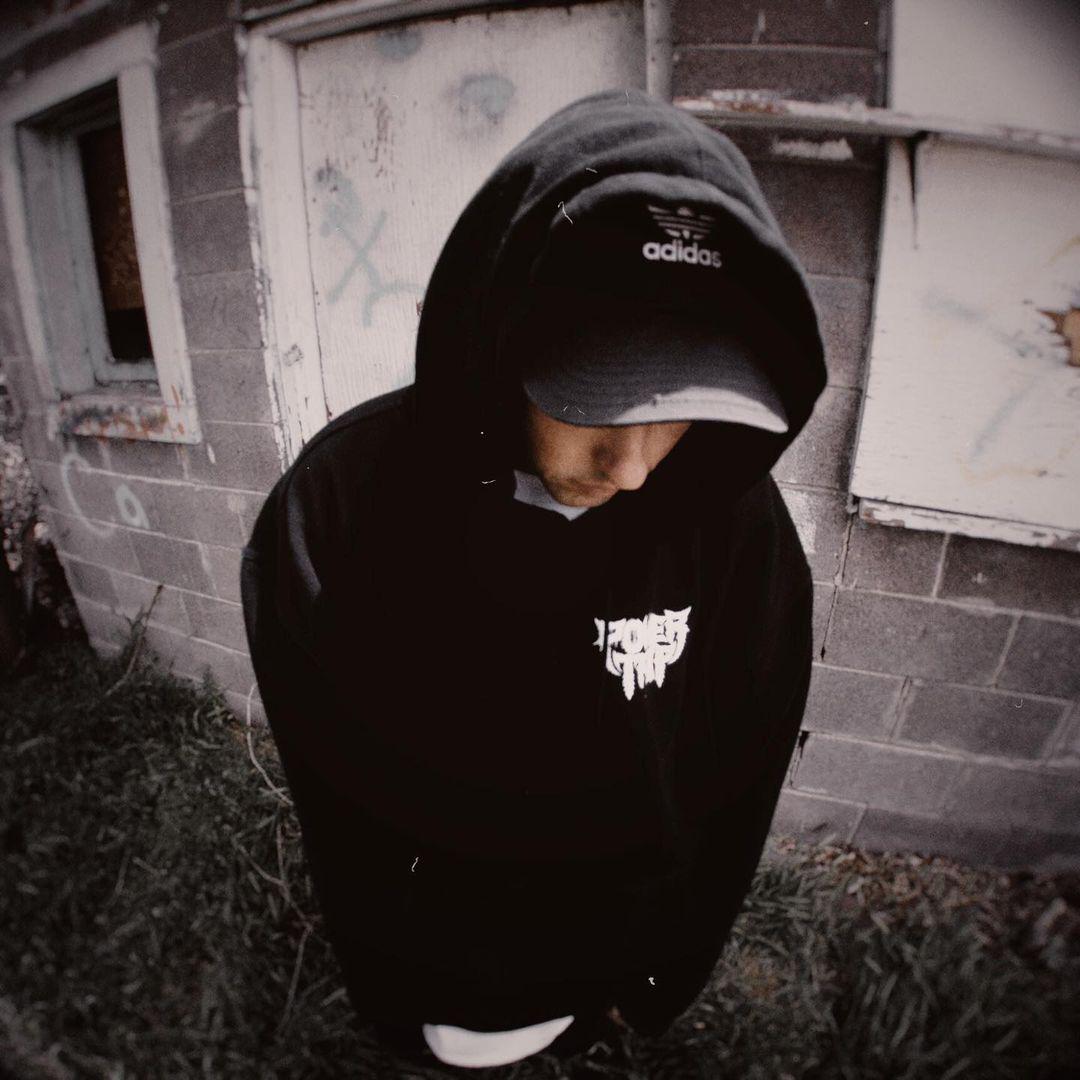
MoYtanIc’s Spotify BioStruggling and surviving from Chicago Il, after his family came back from Mexico and lived at back of the yards for a couple of years they moved out on kedzie, and Moytanic was born on October 1 1995. Moytanic watched his older brothers grow and learn about music everyday because of his father who is a Singer in many Mexican bands back in the 80s. Moytanics Father hired a person who was in a famous band who quit and just started offering lessons. His brothers learned bass, drums and keyboards. After years later his brothers formed a band called Veils of Darkness from there Moytanic got deep into the guitar after his brother Gabriel was bringing back home guitars and Flavio was bringing a lot of heavy metal CDs. Then the day came BERNIEMACELEVEN and STEALTHMOBBMONEY stepped in and made a punk band “ Armies of the dead “ during their elementary school years. Years later and struggling from the ghetto, moytanic was learning how to compose Thrash and Death metal music, then high school… happened. The worst influence was waiting for him, attending to a ghetto school changed the way he is. Hanging out with gangsters on the street, selling drugs, and getting drunk asf was influencing him to be in a gang but moytanic later refused. After high school Moytanic created two groups with his brothers and friends. South Arsenal a band with his two older brothers Flavio and Gabriel alongside friend Isac on drums. Later Kruegerset was formed with BERNIEMACELEVEN, BABYKRUEGER and DRVNKXNPAT.
Viberate is a music analytics platform built for A&Rs, artist managers, labels, booking agents, marketers, and artists.
It helps music professionals track artist growth, analyze audience data, monitor playlist activity, compare artists, follow song performance, and identify opportunities across the music market.
Public artist pages provide a free preview of selected artist data. Paid plans provide access to deeper analytics, historical data, charts, comparisons, playlist tools, exports, alerts, reports, and additional professional features.
Yes. Public Viberate artist pages provide selected artist analytics and music data for free.
Viberate also offers a 7-day free trial of the full platform. A credit card is required to start the trial. The trial includes access to the complete product so users can test deeper artist analytics, historical views, playlist insights, comparisons, charts, exports, alerts, and reporting features before choosing a paid plan.
Viberate provides artist analytics across streaming, playlists, social media, video, radio airplay, songs, and audience markets.
Users can analyze Spotify performance, Spotify and Apple Music playlists, YouTube activity, TikTok and Instagram growth, radio spins, song performance, audience locations, demographics, rankings, and overall artist momentum.
Artist profiles also connect to music charts, similar artists, and comparison tools, helping users benchmark performance and evaluate artists in context.
Viberate updates key artist and track data daily.
For followed artists and tracks, selected data is refreshed multiple times per day. This helps teams monitor playlist changes, streaming movement, audience growth, releases, and campaign performance with more current data.
Update frequency can vary depending on the metric and data source.
Yes. Viberate lets users compare up to five artists side by side across streaming, social media, audience, and engagement metrics.
Users can compare fanbase growth, audience demographics, locations, Spotify performance, social metrics, and other artist data over selected time periods.
Artist comparison can be used for A&R scouting, benchmarking, booking decisions, campaign planning, and evaluating artists with similar audiences or market positions.