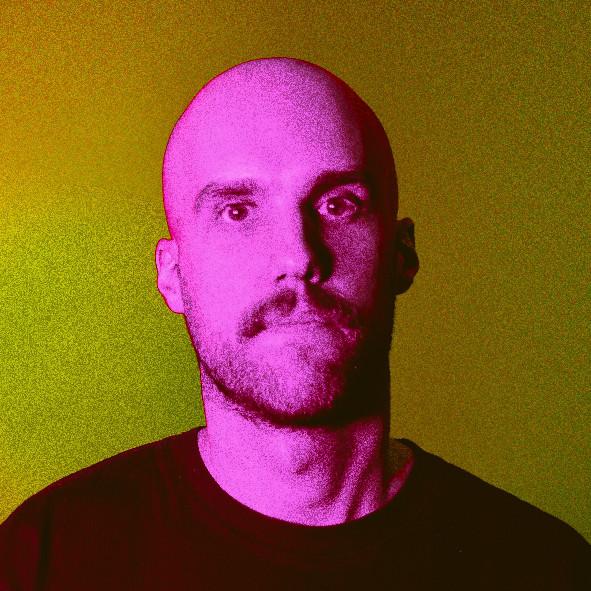
Move D

Electronic
Other Electronic Music
Dub Techno
 Viberate Rank: 71047
 Viberate Rank: 71047
 Monthly ListenersFollowers
 Subscribers
 Followers
 Followers
 FansTop Spotify Songs
| Track | 7-Day Streams | |
|---|---|---|
1 | 26.41K | |
2 | 9.17K | |
3 | 7.69K | |
4 | 7.42K | |
5 | 5.74K |
Top YouTube VideosMonthly ListenersFeatured in Playlists| Playlist | Followers | |
|---|---|---|
1 |  IDM Essentials Spotify | 204.19K |
2 |  real good shit Tom Misch | 165.62K |
3 |  Bonobo presents OUTLIER Radio Bonobo | 63.87K |
4 |  Disclosure's Record Bag Disclosure | 60.50K |
5 |  Living Room House @chrisluno | 47.47K |
Audience| City | Monthly Listeners | |
|---|---|---|
1 |  | 6.15K |
2 | | 4.61K |
3 |  | 3.74K |
4 | | 3.08K |
5 |  | 2.10K |
See full performance history, audience data, playlist activity, rankings, comparisons, and more in Viberate music analytics. Start with a free trial, then continue with a paid plan.
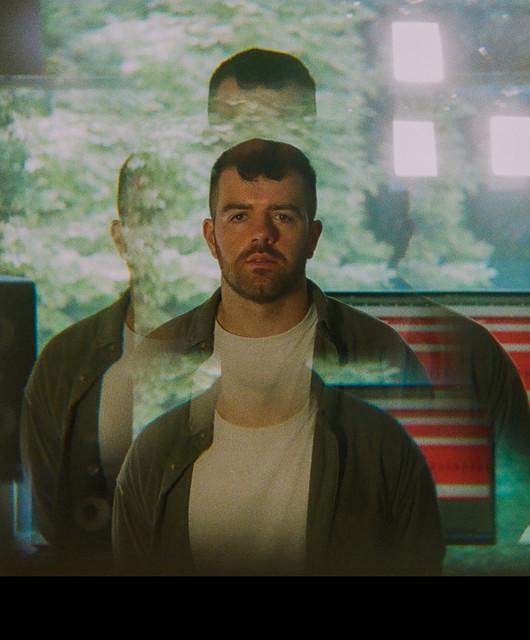
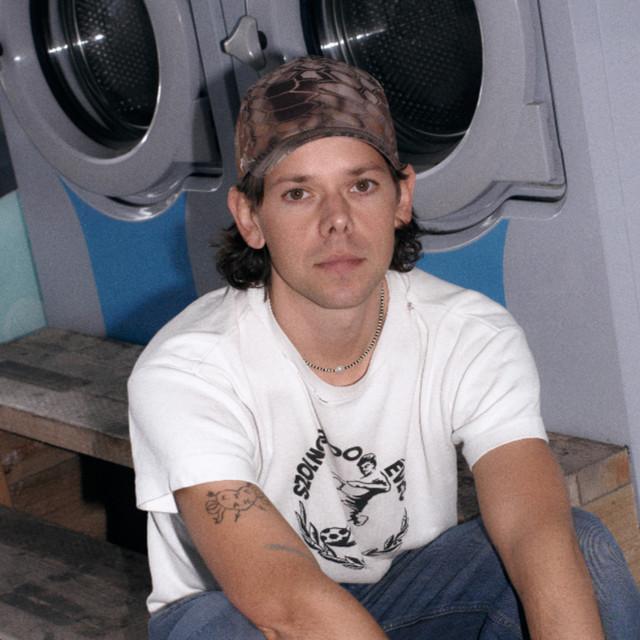
Move D’s Spotify BioWhile best known for his solo recordings as Move D, German David Moufang has recorded a dizzying number of collaborations, producing many of the best explorations of ambient techno and deep house recorded during the '90s, 2000s, and 2010s; his best-known are probably those with ambient techno legend Pete Namlook; Benjamin Brunn; Jonas Grossman (as Deep Space Network); Juju & Jordash (as Magic Mountain High); and Jonah Sharp (as Reagenz).
In 1992, Moufang founded Source Records (based in Heidelberg, Germany) with Grossman, and the pair released their first material together that same year, as Earth to Infinity. One year later, they released their first Deep Space Network LP, Big Rooms, and the album received American distribution through Instinct. Moufang branched out in a big way in 1994 and 1995: he released the solo album Solitaire on Fax, the Move D debut Kunststoff ("Plastic") on Source, and collaborated with Spacetime Continuum's Jonah Sharp as Reagenz for a self-titled album on Re…flective.
Moufang's often-confusing timeline continued in 1996 with another Move D release, Exploring the Psychedelic Landscape, his first collaboration with Pete Namlook, and two more DSN works, Deep Space Network Meets Higher Intelligence Agency and Traffic: Live at the Love Parade. In 1997, he inaugurated yet another project, an ambient jazz unit known as Conjoint.
Throughout the 2000s, he recorded mainly as Move D. He produced the solo albums Pop for Dwoozle (2004) and Tonspuren 1-10 (2007); four albums with Thomas Meinecke; two with Benjamin Brunn; and more than 20 with Pete Namlook, by far his most prolific collaborator. There were also new albums by Reagenz, Deep Space Network, and Conjoint, and the launch of another new group, Studio Pankow.
The 2010s saw another Reagenz album, as well as two new collaborative projects. Magic Mountain High featured Juju & Jordash, while the Mulholland Free Clinic brought together all the members of both Magic Mountain High and Reagenz. Moufang also released a live album with Jordan Czamanski (Jordash) under his given name. His most poignant release was the 2014 Move D solo album The Silent Orbiter, a tribute to his friend Pete Namlook, who had passed away two years earlier. That year, he also mixed Fabric 74. In 2018, Kunststoff, which in the intervening years had come to be recognized as a modern classic, was reissued by AVA Records. In 2019 Moufang released his fifth Move D solo album, Building Bridges, on Aus Music, a collection of tunes recorded across the entire span of his career. ~ John Bush, Rovi
Viberate is a music analytics platform built for A&Rs, artist managers, labels, booking agents, marketers, and artists.
It helps music professionals track artist growth, analyze audience data, monitor playlist activity, compare artists, follow song performance, and identify opportunities across the music market.
Public artist pages provide a free preview of selected artist data. Paid plans provide access to deeper analytics, historical data, charts, comparisons, playlist tools, exports, alerts, reports, and additional professional features.
Yes. Public Viberate artist pages provide selected artist analytics and music data for free.
Viberate also offers a 7-day free trial of the full platform. A credit card is required to start the trial. The trial includes access to the complete product so users can test deeper artist analytics, historical views, playlist insights, comparisons, charts, exports, alerts, and reporting features before choosing a paid plan.
Viberate provides artist analytics across streaming, playlists, social media, video, radio airplay, songs, and audience markets.
Users can analyze Spotify performance, Spotify and Apple Music playlists, YouTube activity, TikTok and Instagram growth, radio spins, song performance, audience locations, demographics, rankings, and overall artist momentum.
Artist profiles also connect to music charts, similar artists, and comparison tools, helping users benchmark performance and evaluate artists in context.
Viberate updates key artist and track data daily.
For followed artists and tracks, selected data is refreshed multiple times per day. This helps teams monitor playlist changes, streaming movement, audience growth, releases, and campaign performance with more current data.
Update frequency can vary depending on the metric and data source.
Yes. Viberate lets users compare up to five artists side by side across streaming, social media, audience, and engagement metrics.
Users can compare fanbase growth, audience demographics, locations, Spotify performance, social metrics, and other artist data over selected time periods.
Artist comparison can be used for A&R scouting, benchmarking, booking decisions, campaign planning, and evaluating artists with similar audiences or market positions.