Mountaintops

Religious
Christian Music
Alternative Rock
 Viberate Rank: 450278
 Viberate Rank: 450278
 Monthly ListenersFollowers
 Subscribers
 Followers
 Followers
 FansTop Spotify Songs
| Track | 7-Day Streams | |
|---|---|---|
1 | 835 | |
2 | 600 | |
3 | 146 | |
4 | 139 | |
5 | 112 |
Top YouTube VideosMonthly ListenersFeatured in Playlists| Playlist | Followers | |
|---|---|---|
1 |  Praise and Worship 2026 a_guilmette | 50.17K |
2 |  vibey christian indie sophia | 26.97K |
3 |  Indie Worship Magnify Studio | 19.27K |
4 |  Christian music that doesn’t sound like 2008 k-love Bella! | 9.47K |
5 |  Upbeat Worship Songs 2026 You Are Loved | 8.13K |
Audience| City | Monthly Listeners | |
|---|---|---|
1 | | 44 |
2 | | 43 |
3 |  | 42 |
4 |  | 40 |
5 |  | 37 |
See full performance history, audience data, playlist activity, rankings, comparisons, and more in Viberate music analytics. Start with a free trial, then continue with a paid plan.
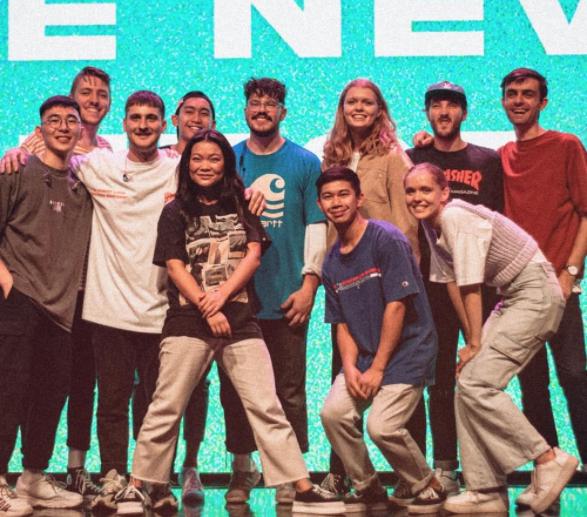
Mountaintops’ Spotify BioMountaintops is husband-and-wife songwriting team Nick and Melissa Morrow and a revolving door of creative friends.
The two met playing in a band together in college, and after a surprising call into the ministry the Morrows began to explore how to translate their musical influences for the church. Mountaintops was born out of the conviction that worship music can be both accessible and creative, with the prayer that listeners “have epic encounters with Jesus.”
Mountaintops teamed up with producers Jon Class (Josh Garrels, Strahan, The Wldlfe) and Jason Barrows for their first few singles, which gained a quick stream of media from Worship Leader Magazine, Relevant, and others.
After a long season of family tragedy, the Morrows released In the Valley, a mixture of personal devotion and communal worship songs produced by the band & mixed by Paul Arend (Carousel.)
Inspired by finding God in the global pandemic, the band teamed up with producer and long-time collaborator Collin Eades (Basil… Tooth, Yeah No, For Sure) for a set of personal worship tunes that dove into their pop music roots, which eventually became 2022’s All I Am is Yours EP.
2022 brought the band’s greatest passion project to life: “some fast worship songs.” Mountaintops will release five singles in 2022 - each with a different featured vocalist - as the first installment in a series of all-fast worship records.
Viberate is a music analytics platform built for A&Rs, artist managers, labels, booking agents, marketers, and artists.
It helps music professionals track artist growth, analyze audience data, monitor playlist activity, compare artists, follow song performance, and identify opportunities across the music market.
Public artist pages provide a free preview of selected artist data. Paid plans provide access to deeper analytics, historical data, charts, comparisons, playlist tools, exports, alerts, reports, and additional professional features.
Yes. Public Viberate artist pages provide selected artist analytics and music data for free.
Viberate also offers a 7-day free trial of the full platform. A credit card is required to start the trial. The trial includes access to the complete product so users can test deeper artist analytics, historical views, playlist insights, comparisons, charts, exports, alerts, and reporting features before choosing a paid plan.
Viberate provides artist analytics across streaming, playlists, social media, video, radio airplay, songs, and audience markets.
Users can analyze Spotify performance, Spotify and Apple Music playlists, YouTube activity, TikTok and Instagram growth, radio spins, song performance, audience locations, demographics, rankings, and overall artist momentum.
Artist profiles also connect to music charts, similar artists, and comparison tools, helping users benchmark performance and evaluate artists in context.
Viberate updates key artist and track data daily.
For followed artists and tracks, selected data is refreshed multiple times per day. This helps teams monitor playlist changes, streaming movement, audience growth, releases, and campaign performance with more current data.
Update frequency can vary depending on the metric and data source.
Yes. Viberate lets users compare up to five artists side by side across streaming, social media, audience, and engagement metrics.
Users can compare fanbase growth, audience demographics, locations, Spotify performance, social metrics, and other artist data over selected time periods.
Artist comparison can be used for A&R scouting, benchmarking, booking decisions, campaign planning, and evaluating artists with similar audiences or market positions.