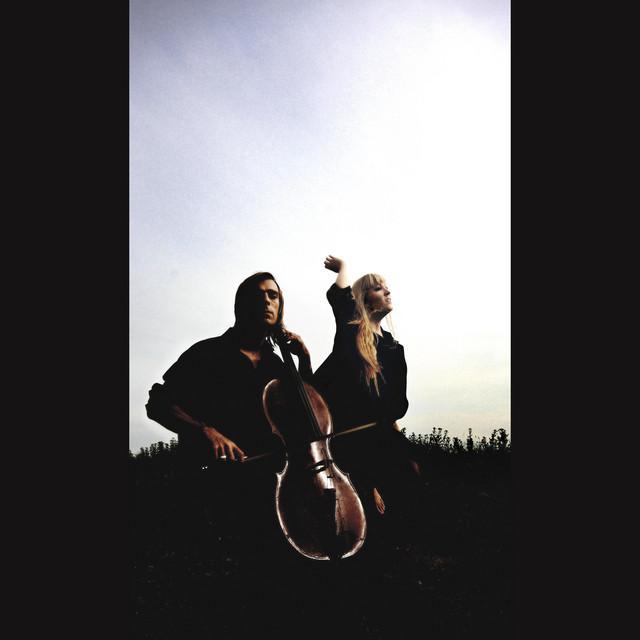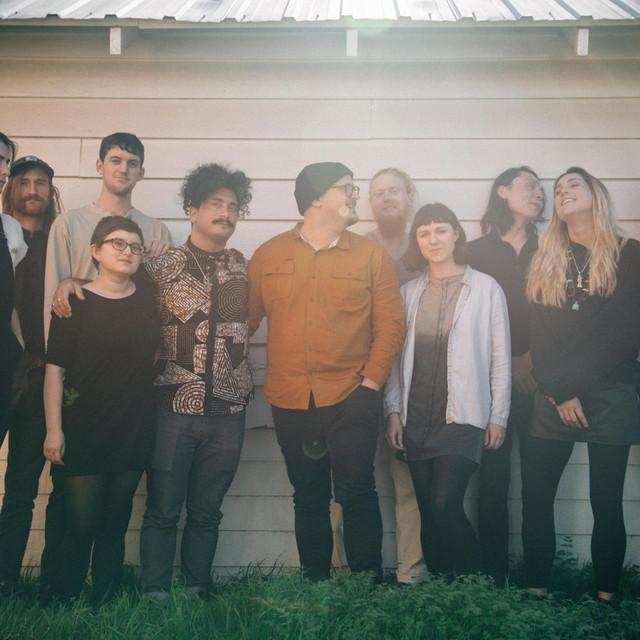
Mother Falcon

Classical
Classical Crossover
Indie Pop
 Viberate Rank: 137366
 Viberate Rank: 137366
 Monthly ListenersFollowers
 Subscribers
 Followers
 Followers
 FansTop Spotify Songs
| Track | 7-Day Streams | |
|---|---|---|
1 | 5.97K | |
2 | 5.52K | |
3 | 4.09K | |
4 | 2.51K | |
5 | 1.46K |
Top YouTube VideosMonthly ListenersFeatured in Playlists| Playlist | Followers | |
|---|---|---|
1 |  Tiny Desk Concerts. Dries Jacobs | 71.01K |
2 |  Calm Piano sophiemccart | 18.20K |
3 |  Best of Tiny Desk Concerts Tanay | 11.35K |
4 |  The Sound of Chamber Pop The Sounds of Spotify | 8.92K |
5 |  songs that ACTUALLY have Achilles Come Down vibes Ripley Sullivan | 8.66K |
Audience| City | Monthly Listeners | |
|---|---|---|
1 | | 659 |
2 | | 557 |
3 | | 444 |
4 | | 441 |
5 | | 432 |
See full performance history, audience data, playlist activity, rankings, comparisons, and more in Viberate music analytics. Start with a free trial, then continue with a paid plan.
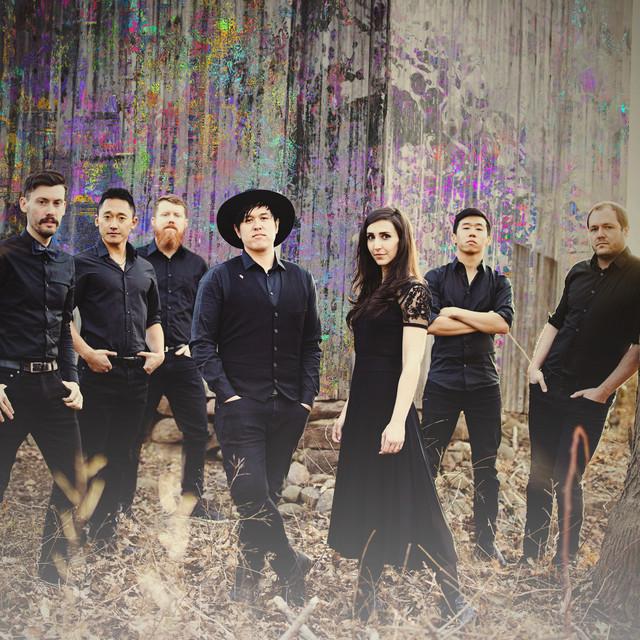
Mother Falcon’s Spotify BioAn ambitious symphonic rock/orchestral pop collective based out of Austin, Texas and spearheaded by bandleader and founder Nick Gregg, Mother Falcon was formed in 2008 by Gregg with the help of members of the Red Armada String Quartet, a high school ensemble. Taking a cue from other classical-minded pop artists like Sufjan Stevens, Beirut, and the Polyphonic Spree, the group eventually added members from other area schools, and by the time they began performing, numbered anywhere from 11 to 20 musicians on any given night, with core vocalists Gregg, guitarist Claire Puckett, and accordionist-pianist Tamir Kalifa leading the charge. Mother Falcon quickly became a must-see event around town, playing numerous high-profile festivals and releasing a string of well-received EPs and LPs, including Still Life (2010), Alhambra (2011), You Knew (2013), and Good Luck Have Fun (2015). ~ James Christopher Monger, Rovi
Viberate is a music analytics platform built for A&Rs, artist managers, labels, booking agents, marketers, and artists.
It helps music professionals track artist growth, analyze audience data, monitor playlist activity, compare artists, follow song performance, and identify opportunities across the music market.
Public artist pages provide a free preview of selected artist data. Paid plans provide access to deeper analytics, historical data, charts, comparisons, playlist tools, exports, alerts, reports, and additional professional features.
Yes. Public Viberate artist pages provide selected artist analytics and music data for free.
Viberate also offers a 7-day free trial of the full platform. A credit card is required to start the trial. The trial includes access to the complete product so users can test deeper artist analytics, historical views, playlist insights, comparisons, charts, exports, alerts, and reporting features before choosing a paid plan.
Viberate provides artist analytics across streaming, playlists, social media, video, radio airplay, songs, and audience markets.
Users can analyze Spotify performance, Spotify and Apple Music playlists, YouTube activity, TikTok and Instagram growth, radio spins, song performance, audience locations, demographics, rankings, and overall artist momentum.
Artist profiles also connect to music charts, similar artists, and comparison tools, helping users benchmark performance and evaluate artists in context.
Viberate updates key artist and track data daily.
For followed artists and tracks, selected data is refreshed multiple times per day. This helps teams monitor playlist changes, streaming movement, audience growth, releases, and campaign performance with more current data.
Update frequency can vary depending on the metric and data source.
Yes. Viberate lets users compare up to five artists side by side across streaming, social media, audience, and engagement metrics.
Users can compare fanbase growth, audience demographics, locations, Spotify performance, social metrics, and other artist data over selected time periods.
Artist comparison can be used for A&R scouting, benchmarking, booking decisions, campaign planning, and evaluating artists with similar audiences or market positions.