Mostly Autumn

Rock
Progressive Rock
Folk Rock
Celtic
 Viberate Rank: 129185
 Viberate Rank: 129185
 Monthly ListenersFollowers
 Subscribers
 Followers
 Followers
 FansTop Spotify Songs
| Track | 7-Day Streams | |
|---|---|---|
1 | 11.01K | |
2 | 7.38K | |
3 | 5.52K | |
4 | 3.88K | |
5 | 3.82K |
Top YouTube VideosMonthly ListenersFeatured in Playlists| Playlist | Followers | |
|---|---|---|
1 | Progressive Rock Geraldo Adami | 8.04K |
2 |  Rock & Metal Progressive Walk N.O.D Musik | 4.75K |
3 |  The Sound of Progressive Rock The Sounds of Spotify | 3.64K |
4 |  The Sound of Progressive Metal The Sounds of Spotify | 3.19K |
5 |  Song of History Max Millares | 2.58K |
Audience| City | Monthly Listeners | |
|---|---|---|
1 |  | 841 |
2 | | 605 |
3 |  | 536 |
4 |  | 409 |
5 |  | 387 |
See full performance history, audience data, playlist activity, rankings, comparisons, and more in Viberate music analytics. Start with a free trial, then continue with a paid plan.
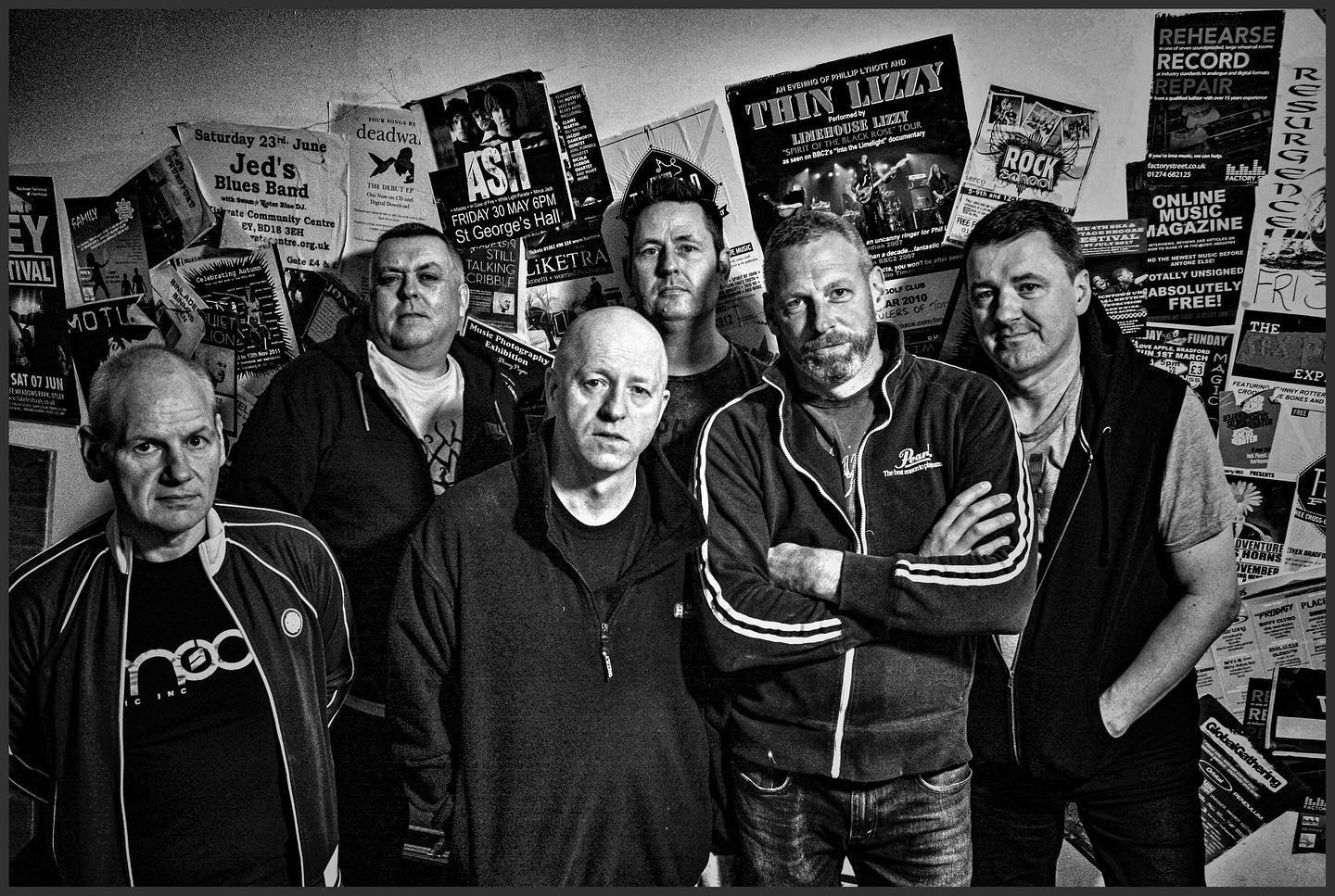
Mostly Autumn’s Spotify BioMostly Autumn had its origins in the mind of Bryan Josh in the early 1990s but didn't come to fruition until 1998. That was the year that he recruited Heidi Widdop, Iain Jennings, Liam Davison, Alun Hughes, and Chris Walton to form the group. They quickly began playing gigs and released For All We Shared as a tribute to Josh's late father Rob. The group's live show and blend of progressive and atmospheric rock with Celtic sounds began to draw a lot of attention, earning them a contract with Cyclops, which issued For All We Shared and its follow-up, The Spirit of Autumn Past. Third album The Last Bright Light came out in 2001. Their DVD release The Story So Far was released on Classic Rock Productions in 2002, along with Music Inspired by the Lord of the Rings, also on Classic Rock Productions. Over the next few years, the group continued to release albums -- Passenger (2003), Storms Over Still Water (2005), Heart Full of Sky (2006) -- and the group's lineup continued to evolve with… various members leaving or returning, but with Josh always at the helm. By 2008 they had released their eighth studio album, Glass Shadows, which saw Josh and Heather Findlay retreating to the Lake District to write the record. In 2010 the group released their ninth album, Go Well Diamond Heart, which would be the first to not feature Findlay's vocals after she left the group to embark on a solo career. Josh and co. continued to tour and release live and studio albums over the next few years -- including 2012's The Ghost Moon Orchestra and 2014's Dressed in Voices. By early 2017, they had released their 12th studio album, Sight of Day, and showed no signs of slowing down, nor of signing to a major-label, keeping their output completely D.I.Y. as they have done throughout their career. ~ Gary Hill & Rich Wilson, Rovi
Viberate is a music analytics platform built for A&Rs, artist managers, labels, booking agents, marketers, and artists.
It helps music professionals track artist growth, analyze audience data, monitor playlist activity, compare artists, follow song performance, and identify opportunities across the music market.
Public artist pages provide a free preview of selected artist data. Paid plans provide access to deeper analytics, historical data, charts, comparisons, playlist tools, exports, alerts, reports, and additional professional features.
Yes. Public Viberate artist pages provide selected artist analytics and music data for free.
Viberate also offers a 7-day free trial of the full platform. A credit card is required to start the trial. The trial includes access to the complete product so users can test deeper artist analytics, historical views, playlist insights, comparisons, charts, exports, alerts, and reporting features before choosing a paid plan.
Viberate provides artist analytics across streaming, playlists, social media, video, radio airplay, songs, and audience markets.
Users can analyze Spotify performance, Spotify and Apple Music playlists, YouTube activity, TikTok and Instagram growth, radio spins, song performance, audience locations, demographics, rankings, and overall artist momentum.
Artist profiles also connect to music charts, similar artists, and comparison tools, helping users benchmark performance and evaluate artists in context.
Viberate updates key artist and track data daily.
For followed artists and tracks, selected data is refreshed multiple times per day. This helps teams monitor playlist changes, streaming movement, audience growth, releases, and campaign performance with more current data.
Update frequency can vary depending on the metric and data source.
Yes. Viberate lets users compare up to five artists side by side across streaming, social media, audience, and engagement metrics.
Users can compare fanbase growth, audience demographics, locations, Spotify performance, social metrics, and other artist data over selected time periods.
Artist comparison can be used for A&R scouting, benchmarking, booking decisions, campaign planning, and evaluating artists with similar audiences or market positions.