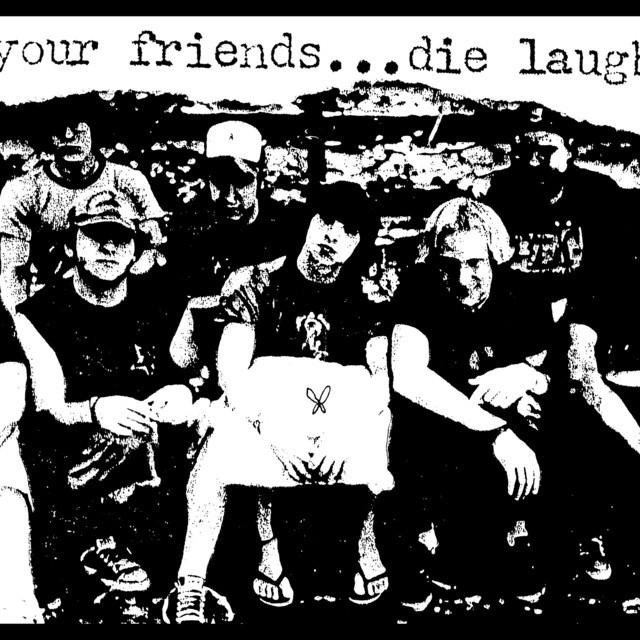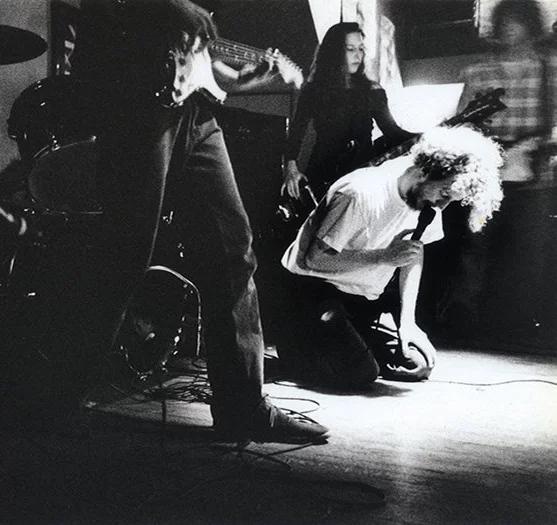
Moss Icon

Punk
Hardcore Punk
 Viberate Rank: 191479
 Viberate Rank: 191479
 Monthly ListenersFollowers
 Subscribers
 Followers
 Followers
 FansTop Spotify Songs
| Track | 7-Day Streams | |
|---|---|---|
1 | 4.53K | |
2 | 2.05K | |
3 | 1.90K | |
4 | 1.55K | |
5 | 1.19K |
Top YouTube VideosMonthly ListenersFeatured in Playlists| Playlist | Followers | |
|---|---|---|
1 |  Early Emo Numero Group | 24.25K |
2 |  A punk playlist but it’s actually good music •.Sal🎧↷∙. | 20.88K |
3 |  Skramz Playlist Heart Darts | 16.14K |
4 |  Real emo // Screamo Lvcasbc | 11.89K |
5 | 100 Best Emo Songs by Vulture Ray Rahman | 9.07K |
Audience| City | Monthly Listeners | |
|---|---|---|
1 | | 386 |
2 | | 321 |
3 | | 290 |
4 | | 210 |
5 | | 190 |
See full performance history, audience data, playlist activity, rankings, comparisons, and more in Viberate music analytics. Start with a free trial, then continue with a paid plan.
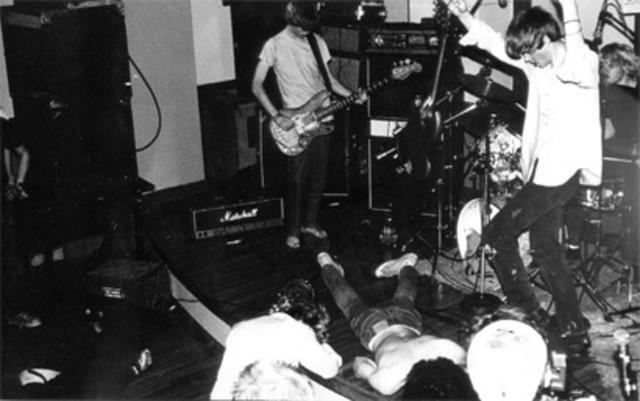
Moss Icon’s Spotify BioEven more obscure than they were groundbreaking, Moss Icon was an early emo band whose music remains chiefly the province of hardcore collectors and underground historians. Whether that music directly influenced or simply presaged modern emo, Moss Icon's shifting dynamics, chiming guitar arpeggios, and screaming, crying vocal climaxes helped set the template for much of the emocore that followed in its wake. Typical for many late-'80s emocore bands, Moss Icon led an unstable existence; due in part to the members' youth, they performed and recorded only sporadically, and were on hiatus as often as not. Their first CD release didn't occur until several years after their breakup, following distantly on the heels of limited chunks of material for very small labels. Thus, despite increasing name-checks during emo's rise to prominence, Moss Icon remained a mystery to many.
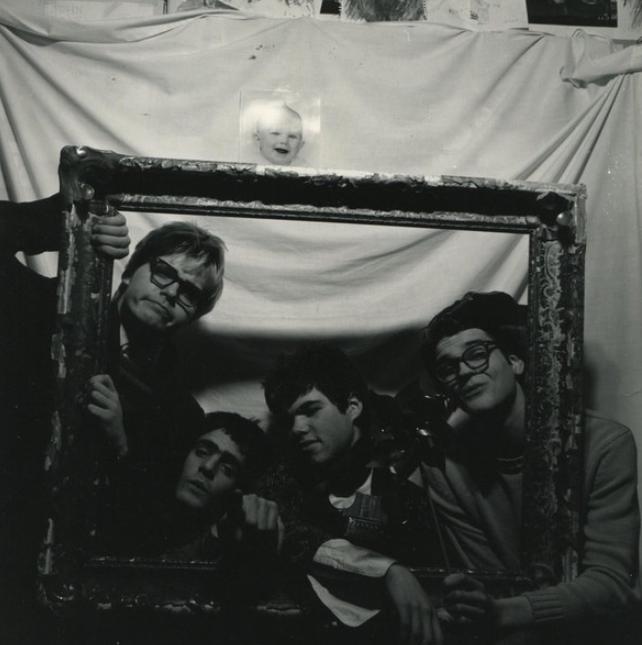
Moss Icon was formed in Annapolis, Maryland in 1986, when its members were still in high school. Guitarist Tonie Joy,… singer Jonathan Vance, bassist Monica DiGialleonardo, and drummer Mark Laurence played their first show as Moss Icon in the summer of 1987. In early 1988, they issued their debut 7," "Hate in Me" (aka "Greta Garbo") on Vermin Scum, the small indie label Joy co-founded in conjunction with members of fellow Annapolis band the Hated. A second 7," Mahpiua Luta, followed in 1989, after which the band alternated between spurts of rehearsals and inactivity. From 1989-90, Vance and Laurence also played in a side project called Breathing Walker with guitarist Alex Badertscher, which later came to include Joy and DiGialleonardo as well. Badertscher joined Moss Icon as second guitarist in time for their third single, 1990s "Memorial."
Moss Icon remained together for approximately one more year after that, during which time they released a split LP with Silver Bearing. They had attempted to complete a full-length album, but the results of an initial session were abandoned, then redone at a later date. The LP went unreleased during the band's existence, and finally appeared on vinyl in 1994 on the Vermiform label, under the title Lyburnum (aka Lyburnum Wit's End Liberation Fly). Additionally, a half-live/half-studio 12" called It Disappears was released by Ebullition/Vermin Scum in 1995. The subsequent CD issue of Lyburnum appended the studio portion of It Disappears.
By that time, Moss Icon had long since scattered across the country and beyond, to travel or attend college. Only Tonie Joy remained extensively active in music, most notably founding the Universal Order of Armageddon and the Convocation Of..., while also playing with Born Against, Great Unraveling, and Lava, among others. In 2001, Moss Icon reunited for several live shows with a lineup of Joy, Vance, DiGialleonardo, Badertscher, and one-time Breathing Walker drummer Zak Fusciello. ~ Steve Huey, Rovi
Viberate is a music analytics platform built for A&Rs, artist managers, labels, booking agents, marketers, and artists.
It helps music professionals track artist growth, analyze audience data, monitor playlist activity, compare artists, follow song performance, and identify opportunities across the music market.
Public artist pages provide a free preview of selected artist data. Paid plans provide access to deeper analytics, historical data, charts, comparisons, playlist tools, exports, alerts, reports, and additional professional features.
Yes. Public Viberate artist pages provide selected artist analytics and music data for free.
Viberate also offers a 7-day free trial of the full platform. A credit card is required to start the trial. The trial includes access to the complete product so users can test deeper artist analytics, historical views, playlist insights, comparisons, charts, exports, alerts, and reporting features before choosing a paid plan.
Viberate provides artist analytics across streaming, playlists, social media, video, radio airplay, songs, and audience markets.
Users can analyze Spotify performance, Spotify and Apple Music playlists, YouTube activity, TikTok and Instagram growth, radio spins, song performance, audience locations, demographics, rankings, and overall artist momentum.
Artist profiles also connect to music charts, similar artists, and comparison tools, helping users benchmark performance and evaluate artists in context.
Viberate updates key artist and track data daily.
For followed artists and tracks, selected data is refreshed multiple times per day. This helps teams monitor playlist changes, streaming movement, audience growth, releases, and campaign performance with more current data.
Update frequency can vary depending on the metric and data source.
Yes. Viberate lets users compare up to five artists side by side across streaming, social media, audience, and engagement metrics.
Users can compare fanbase growth, audience demographics, locations, Spotify performance, social metrics, and other artist data over selected time periods.
Artist comparison can be used for A&R scouting, benchmarking, booking decisions, campaign planning, and evaluating artists with similar audiences or market positions.