Morton Feldman

Classical
Orchestral
 Viberate Rank: 185117
 Viberate Rank: 185117
 Monthly ListenersFollowers
 Subscribers
 Followers
 Followers
 FansTop Spotify Songs
| Track | 7-Day Streams | |
|---|---|---|
1 | 2.85K | |
2 | 895 | |
3 | 714 | |
4 | 609 | |
5 | 570 |
Top YouTube VideosMonthly ListenersFeatured in Playlists| Playlist | Followers | |
|---|---|---|
1 |  🪐🪐🪐🪐🪐🪐🪐🪐☼:̴͓̞̑̌̂̆̊͋̀:̸͎̟̯̂̓̌:̶̢͙͙͕̠̩͆ ⃝🟠 ̴̤̻̀(̵̙̺̳̩͐͗́͑͋̓̕͜ͅ(̵̺͖̤͌͂͑̐̕o̶̢̘͔̒̈̑̒͊v̴̢͚͚͎͎̞͒͊̎ȯ̶̞̮͖̑̈́̿ ☼:̴͓̞̑̌̂̆̊͋̀:̸͎̟̯̂̓̌:̶̢͙͙͕̠̩͆(̷̮͍͚̫͚͂̍)̵̳̗̊( 🟠🟢⦿🔵🟡\̸̧͔̰̳̦̣̪̈̏̓ ̴̡̛̅͐͛̀̽/̶̱̼̣̤̰̲̣̈́̋͌̿̄̍̊\̴̲̣̝̀͜ͅ🔴🫧✨🫧 ̵̨̛̱̥͕́̎́̐͝/̸̠̜̅̐͊̋̿̐̓\̸̧͔̰̳̦̣̪̈̏̓ ̴̡̛̅͐͛̀̽🥏🟠/̶̱̼̣̤̰̲̣̈́̋͌̿̄̍̊\̴̲̣̝̀͜ͅ💥 ̸̝̮̟̹̀̆̋̿ ̴̤̻̀🥭(̵̙̺̳̩͐͗́͑͋̓̕͜ͅ(̵̺͖̤͌͂͑̐̕o̶̢̘͔̒̈̑̒͊🔵:̸͎̟̯̂̓̌:̶̢͙͙͕̠̩͆(̷̮͍͚̫͚͂̍)̵̳̗̊(🟠🪐 Four Tet | 210.46K |
2 |  Isle Of Calm NPR Music | 18.31K |
3 |  SKMT picks Ryuichi Sakamoto | 18.31K |
4 |  Life is a film Hania Raniszewska | 16.94K |
5 |  Contemporary Classical Felix Rösch | 14.80K |
Audience| City | Monthly Listeners | |
|---|---|---|
1 |  | 626 |
2 | | 477 |
3 |  | 403 |
4 | | 339 |
5 |  | 337 |
See full performance history, audience data, playlist activity, rankings, comparisons, and more in Viberate music analytics. Start with a free trial, then continue with a paid plan.
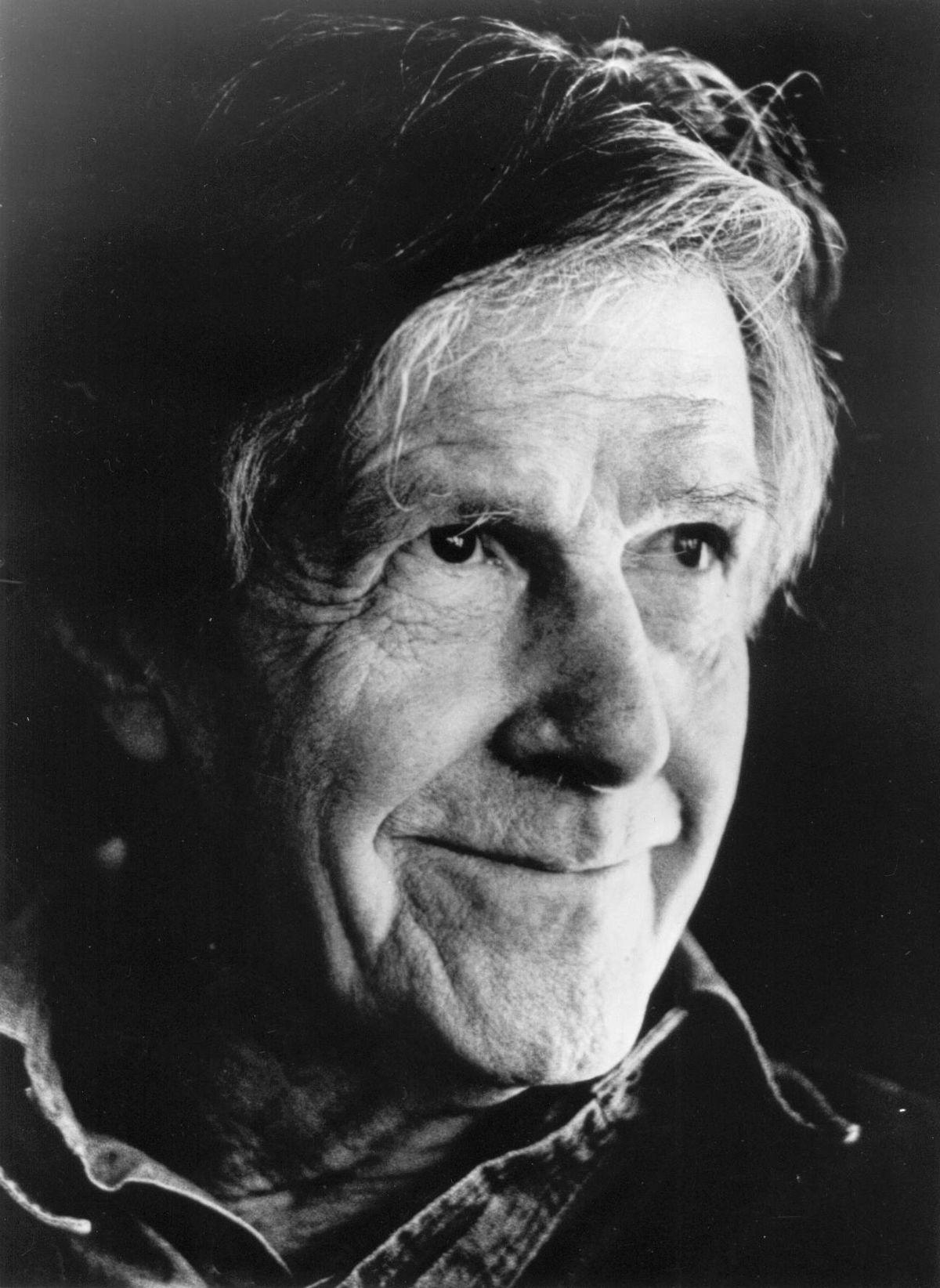
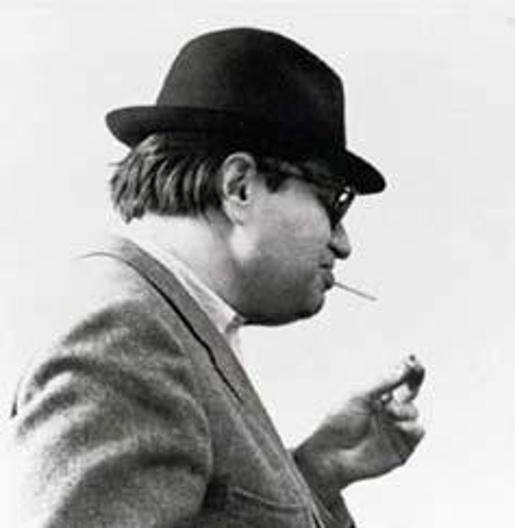
Morton Feldman’s Spotify BioMorton Feldman was a unique and influential American composer. His experimentation with non-traditional notation, improvisation, and timbre led to a characteristic style that emphasized isolated and usually quiet points or moments of sound. His work with John Cage and his association with the avant-garde of American painters, including Pollock, Rauschenberg, and Rothko helped him to discard traditional music aesthetics for a less ordered and more intuitive, "moment form" approach to structure. His earlier work of the 1950s utilized graphic notation in which only approximate indications were given to the performers. This eventually proved unsatisfactory to Feldman because it allowed for non-idiomatic, uncontrolled improvisation. Throughout the decade, he experimented with different versions of notation that gave varying amounts of freedom to the performers. The first experiment was to abolish rhythmic notation altogether. The pitches were specified exactly with open note heads, but all… other elements were left entirely up to the performers. The second experiment involved giving an identical written part to several players with the intention of producing "a series of reverberations from an identical sound source." A work that is indicative of this reverberation technique is the Piece for 4 Pianos (1957). Feldman's third innovation of this period was a variation on the first one. Once again, note durations were left up to the performers, but in this case, all other elements were notated precisely. In his Prince of Denmark (1964), for solo percussion, the graphic notation is a key that assists the performer in making their own version of the piece.
By 1970, using conventional notation, his distinctive doctrine of quietness, stillness and lack of dramatic rhetoric was fully in place. Feldman's best-known chamber works of this period include The Viola in My Life (1970-1971), Rothko Chapel (1971), and Why Patterns (1978). In his last compositions, Feldman became interested in the use of time and proportion. The resulting pieces became greatly expanded in scale, at least nine lasting more than ninety minutes. His composition For Philip Guston lasts four hours, and his String Quartet II can take up to six hours to perform. Yet even in his last works, Feldman's method is apparently intuitive, as he never admitted to, nor has any theorist been able to uncover, any systematic means of pitch selection.
Feldman's first teachers were Wallingford Riegger and Stefan Wolpe, but it was his meeting with John Cage in 1950 that set his entire future direction and musical aesthetic. Cage's circle of composers, which also included Christian Wolff and Earle Brown, combined with the influence of the visual artists that Feldman befriended, allowed him to develop his personal and instinctual method of composing. Feldman lived and worked in New York throughout most of his earlier creative career. In 1973, he was offered the Edgar Varèse Chair in composition at the University of New York at Buffalo, which he held until his death in 1987.
Viberate is a music analytics platform built for A&Rs, artist managers, labels, booking agents, marketers, and artists.
It helps music professionals track artist growth, analyze audience data, monitor playlist activity, compare artists, follow song performance, and identify opportunities across the music market.
Public artist pages provide a free preview of selected artist data. Paid plans provide access to deeper analytics, historical data, charts, comparisons, playlist tools, exports, alerts, reports, and additional professional features.
Yes. Public Viberate artist pages provide selected artist analytics and music data for free.
Viberate also offers a 7-day free trial of the full platform. A credit card is required to start the trial. The trial includes access to the complete product so users can test deeper artist analytics, historical views, playlist insights, comparisons, charts, exports, alerts, and reporting features before choosing a paid plan.
Viberate provides artist analytics across streaming, playlists, social media, video, radio airplay, songs, and audience markets.
Users can analyze Spotify performance, Spotify and Apple Music playlists, YouTube activity, TikTok and Instagram growth, radio spins, song performance, audience locations, demographics, rankings, and overall artist momentum.
Artist profiles also connect to music charts, similar artists, and comparison tools, helping users benchmark performance and evaluate artists in context.
Viberate updates key artist and track data daily.
For followed artists and tracks, selected data is refreshed multiple times per day. This helps teams monitor playlist changes, streaming movement, audience growth, releases, and campaign performance with more current data.
Update frequency can vary depending on the metric and data source.
Yes. Viberate lets users compare up to five artists side by side across streaming, social media, audience, and engagement metrics.
Users can compare fanbase growth, audience demographics, locations, Spotify performance, social metrics, and other artist data over selected time periods.
Artist comparison can be used for A&R scouting, benchmarking, booking decisions, campaign planning, and evaluating artists with similar audiences or market positions.