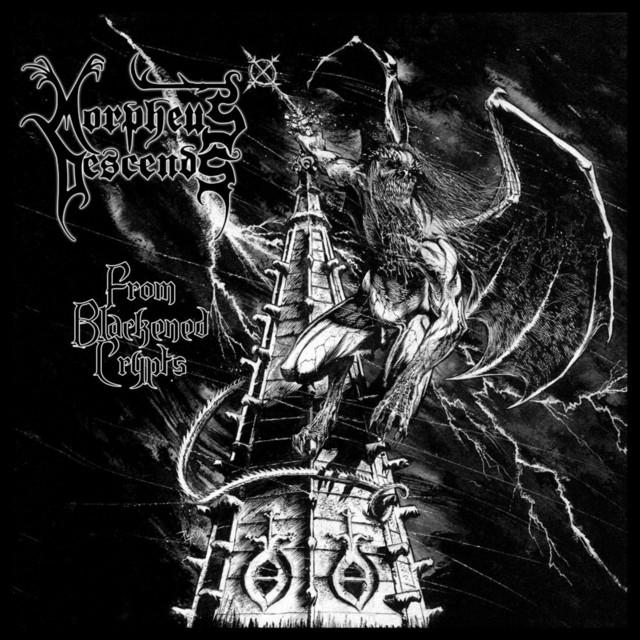
Morpheus Descends

Metal
Death Metal
 Viberate Rank: 306224
 Viberate Rank: 306224
 Monthly ListenersFollowers
 Subscribers
 Followers
 Followers
 FansTop Spotify Songs
| Track | 7-Day Streams | |
|---|---|---|
1 | 70 | |
2 | 37 | |
3 | 10 |
Top YouTube VideosMonthly ListenersFeatured in Playlists| Playlist | Followers | |
|---|---|---|
1 |  Death Metal Classics @MansenSankari | 127.47K |
2 | Metal🤘🏻 Naydil González | 16.46K |
3 |  Early Death Metal: The '80s & '90s Loudwire | 4.92K |
4 |  Death Metal [90's Classic Death Metal] Szchizophrenia | 3.57K |
5 | Death Metal (80s & 90s) kburke138 | 3.20K |
Audience| City | Monthly Listeners | |
|---|---|---|
1 | | 5 |
2 |  | 5 |
3 | | 4 |
4 | | 4 |
5 |  | 4 |
See full performance history, audience data, playlist activity, rankings, comparisons, and more in Viberate music analytics. Start with a free trial, then continue with a paid plan.
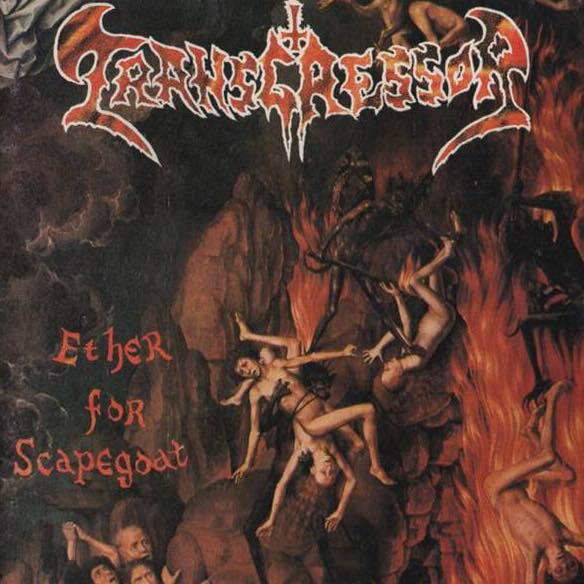
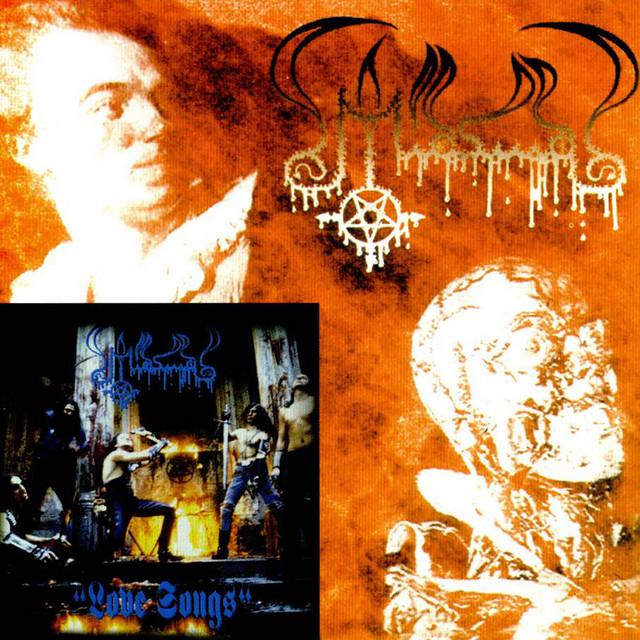
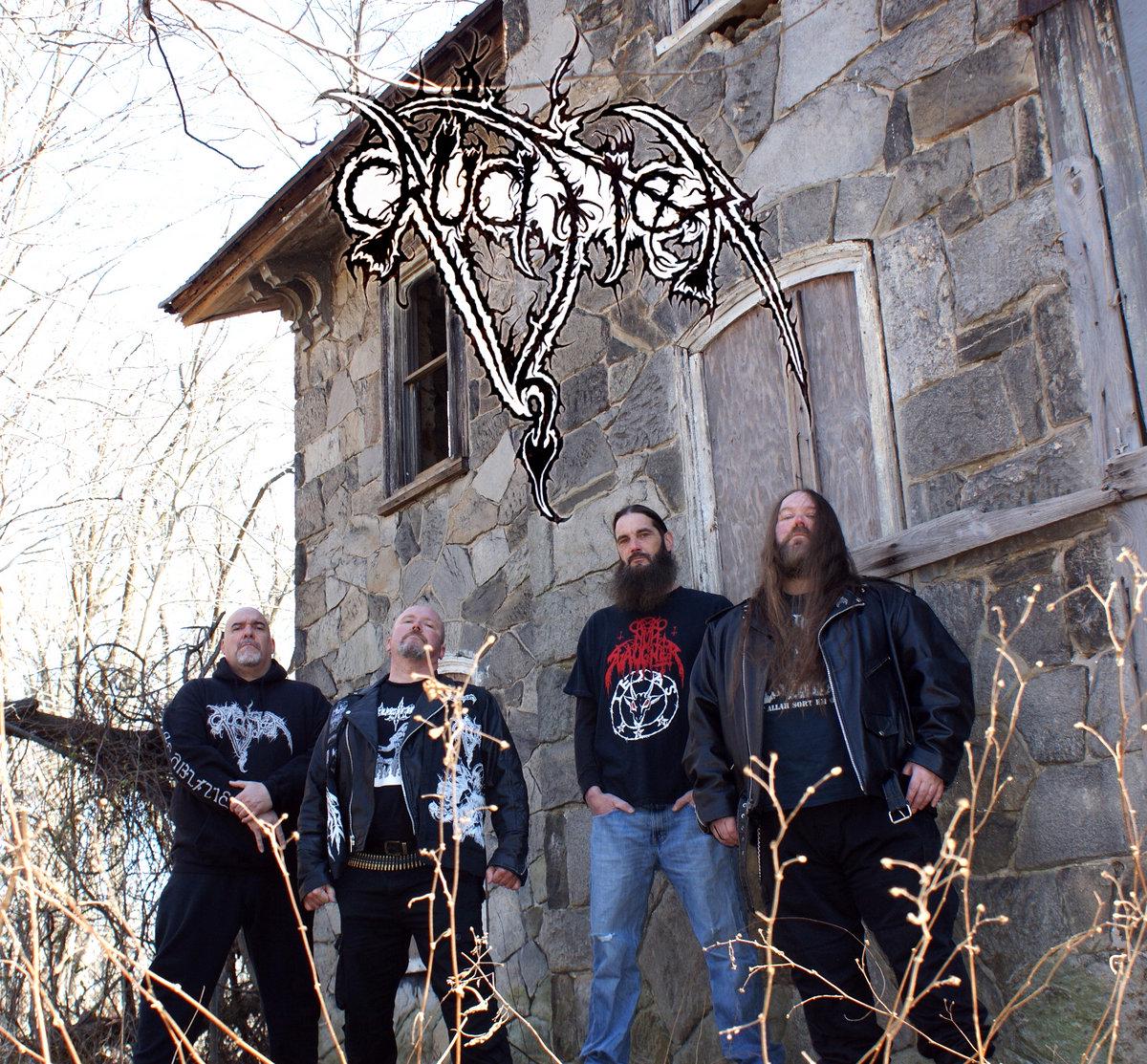
Morpheus Descends’ Spotify BioAlthough they would forever lurk in the shadows of more successful brethren such as Suffocation, Immolation, and Incantation, Middletown, NY's Morpheus Descends (initially named simply Morpheus) were also minor contributors to establishing the Empire State's peculiarly dense and Byzantine brand of '90s death metal (as compared to the dominant Floridian strain). At the very beginning, in late 1990, though, Morpheus Descends' guitarist Rob Yench, vocalist Jeff Reimer, bassist Ken Faggio, and drummer Sam Inzerra had world-conquering plans of their own, so they hastily (and, in retrospect, regrettably) partnered with independent JL Records to assemble their 1992 debut album, Ritual of Infinity, from a series of demo sessions undertaken over the previous two years. Not surprisingly, the band soon found their label sorely lacking in promotional support and endeavored to release 1994's Chronicles of the Shadowed Ones EP (featuring second guitarist Bryan Johnston and new bass player Andy… Newton) themselves; a move that at least allowed them to pocket most of the cash from what copies were sold during their extensive ensuing tours with Incantation, Anal Cunt, Absu, and Enslaved. But aside from growing respect within the underground death metal scene, Morpheus Descends returned home with precious little to show for all of their hard work, and had fallen hopelessly behind their onetime peers (Suffocation, in particular) by this time. So, after replacing Reimer and Johnston with vocalist/guitarist Tom Stevens (ex-Nokturne, Ripping Corpse, etc.), the group recorded 1997's The Horror of the Truth EP in a last ditch effort to turn their fortunes around -- alas, all to no avail. By the following year, Stevens and Yench had begun moonlighting with the aforementioned Incantation and bassist Newton had created the pseudonym of Lord Typhus Mirinor and launched the black metal band Fog. Drummer Inzerra also resurfaced eventually, in a crossover side project named Generation Kill, featuring Pro-Pain's Rob Moschetti and Exodus' Rob Dukes, but original Morpheus Descends vocalist Jeff Reimer was less fortunate, passing away from a reported heroin overdose in August of 2005. ~ Eduardo Rivadavia, Rovi
Viberate is a music analytics platform built for A&Rs, artist managers, labels, booking agents, marketers, and artists.
It helps music professionals track artist growth, analyze audience data, monitor playlist activity, compare artists, follow song performance, and identify opportunities across the music market.
Public artist pages provide a free preview of selected artist data. Paid plans provide access to deeper analytics, historical data, charts, comparisons, playlist tools, exports, alerts, reports, and additional professional features.
Yes. Public Viberate artist pages provide selected artist analytics and music data for free.
Viberate also offers a 7-day free trial of the full platform. A credit card is required to start the trial. The trial includes access to the complete product so users can test deeper artist analytics, historical views, playlist insights, comparisons, charts, exports, alerts, and reporting features before choosing a paid plan.
Viberate provides artist analytics across streaming, playlists, social media, video, radio airplay, songs, and audience markets.
Users can analyze Spotify performance, Spotify and Apple Music playlists, YouTube activity, TikTok and Instagram growth, radio spins, song performance, audience locations, demographics, rankings, and overall artist momentum.
Artist profiles also connect to music charts, similar artists, and comparison tools, helping users benchmark performance and evaluate artists in context.
Viberate updates key artist and track data daily.
For followed artists and tracks, selected data is refreshed multiple times per day. This helps teams monitor playlist changes, streaming movement, audience growth, releases, and campaign performance with more current data.
Update frequency can vary depending on the metric and data source.
Yes. Viberate lets users compare up to five artists side by side across streaming, social media, audience, and engagement metrics.
Users can compare fanbase growth, audience demographics, locations, Spotify performance, social metrics, and other artist data over selected time periods.
Artist comparison can be used for A&R scouting, benchmarking, booking decisions, campaign planning, and evaluating artists with similar audiences or market positions.