Morning Dwell

Metal
Power Metal
 Viberate Rank: 486897
 Viberate Rank: 486897
 Monthly ListenersFollowers
 Subscribers
 Followers
 Followers
 FansTop Spotify Songs
| Track | 7-Day Streams | |
|---|---|---|
1 | 55 | |
2 | 23 | |
3 | 23 | |
4 | 17 | |
5 | 15 |
Top YouTube VideosMonthly ListenersFeatured in Playlists| Playlist | Followers | |
|---|---|---|
1 |  Best of Power Metal rikkukun | 2.64K |
2 |  Melodic/Symphonic Power Metal Metal Land | 1.44K |
3 |  POWER METAL (BEST of the BEST) Miguel de Lys | 1.39K |
4 | Power Metal / Symphonic 900+ Kris Snyder | 1.24K |
5 |  NYANGO STAR Julius Axel Tjahjanto | 1.05K |
Audience| City | Monthly Listeners | |
|---|---|---|
1 | | 11 |
2 |  | 10 |
3 |  | 7 |
4 |  | 5 |
5 | | 5 |
See full performance history, audience data, playlist activity, rankings, comparisons, and more in Viberate music analytics. Start with a free trial, then continue with a paid plan.
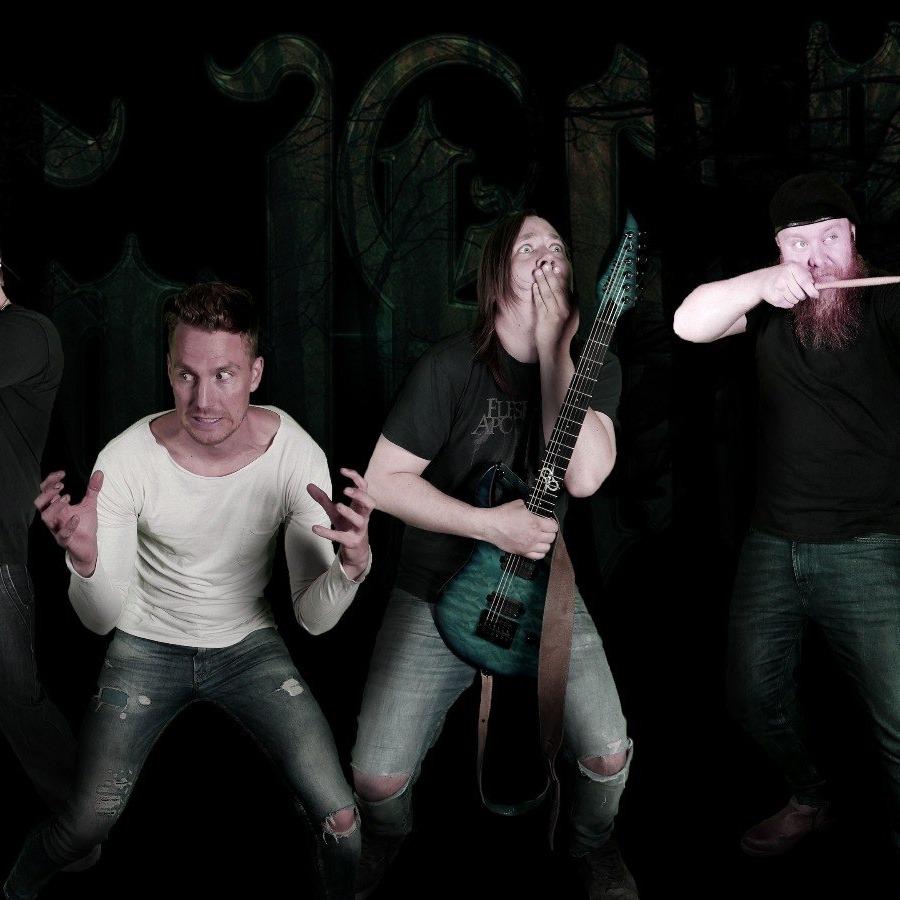
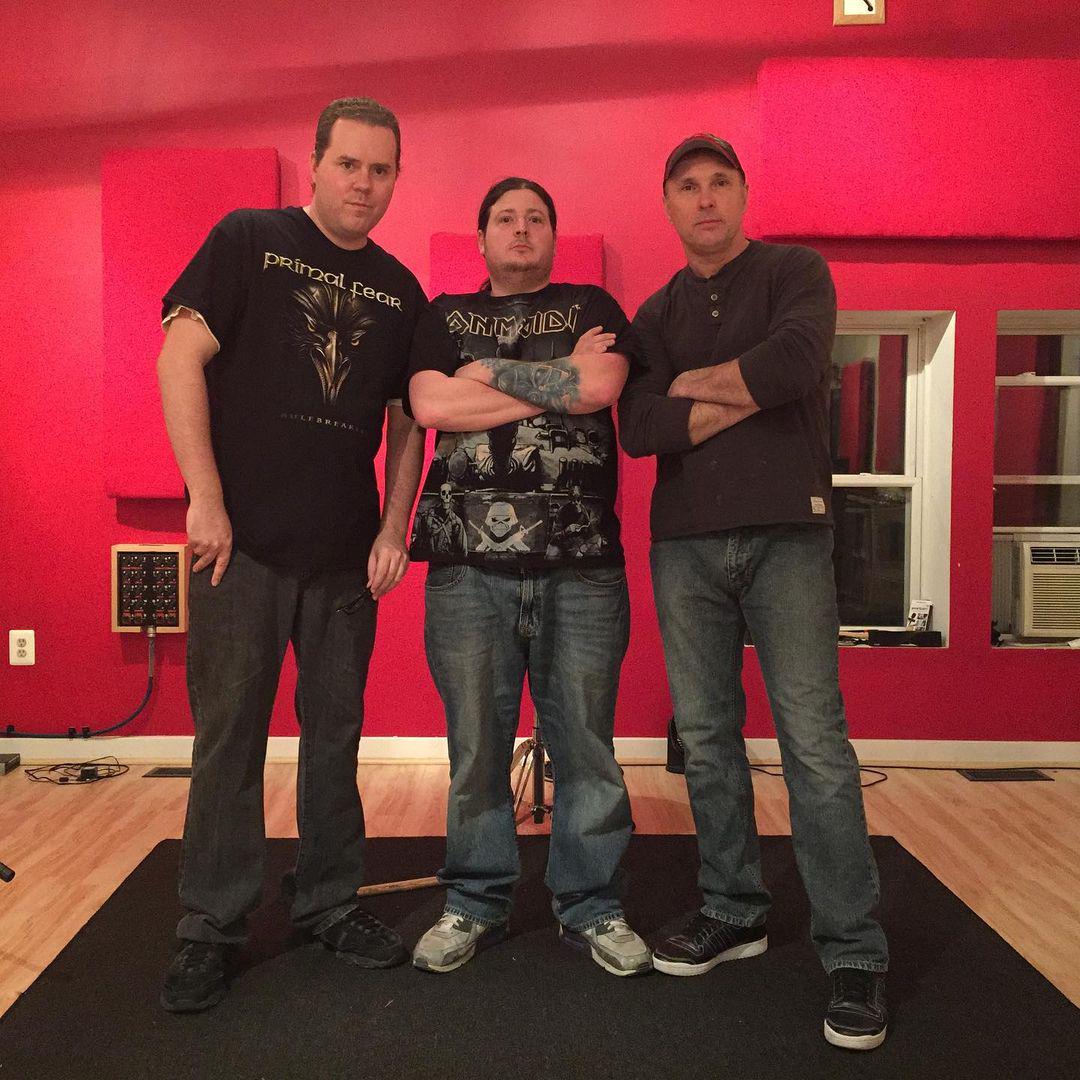
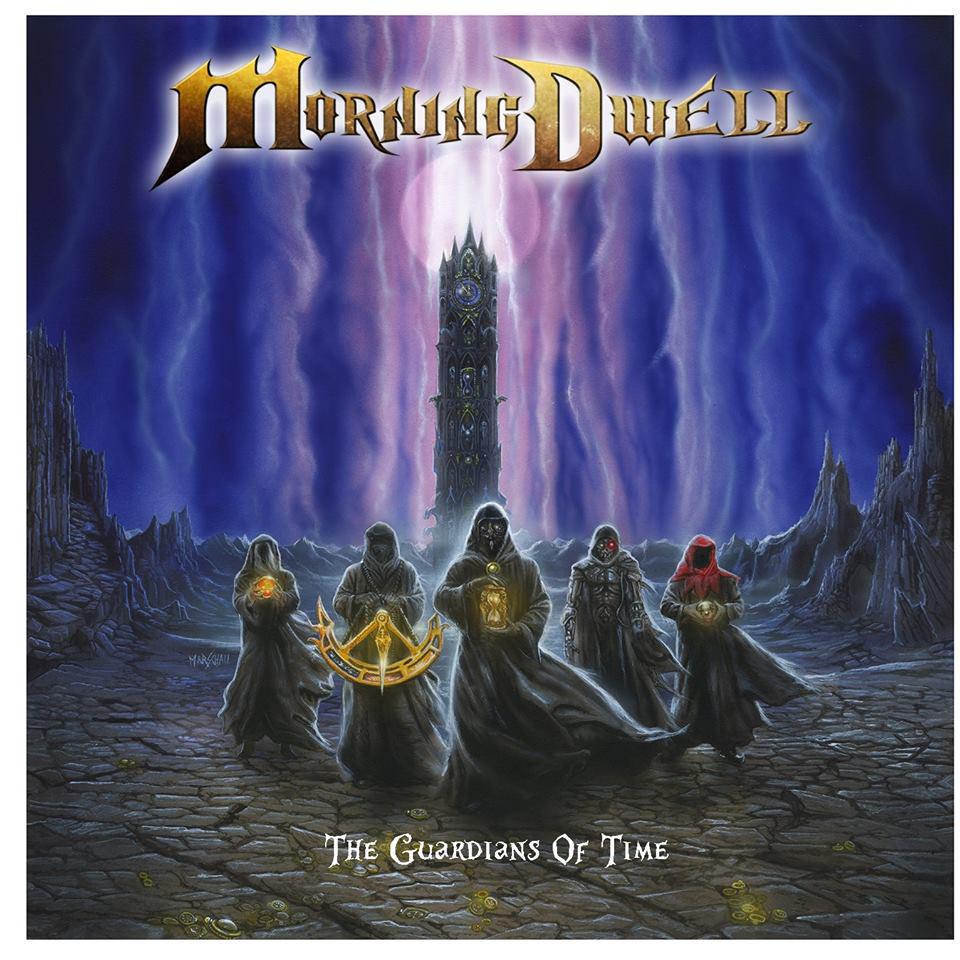
Morning Dwell’s Spotify BioPetter started Morning Dwell back in 2002 as an one-man-band. He was inspired by bands as Hammerfall, Helloween, Edguy, Stratovarius etc as many other bands. He wanted to someday create his own album and release it to fans around the world. Years went by and Petter wrote songs, practiced instruments, met other people to record songs with and in 2012 he recorded a demo. He thought why not to try to send this to some labels. 2014 Morning Dwell released their first album on Doolittle. When Petter got signed he gathered some friends to complete the bands line up. They released a second album, The guardians of time(2016) and after that Alfred(drums) and Petter wanted to record a new album with Morning Dwell. The other guys in the band did not have the same goal with music as Alfred and Petter who wanted more. So Alfred and Petter started the band Mad Hatter to push their music more.
Now 2021 Petter had some ideas for a new album that he wanted to record himself with some help from Alfred on… drums. So in 2021 Morning Dwell released The power will go on without any support of any record label.
Viberate is a music analytics platform built for A&Rs, artist managers, labels, booking agents, marketers, and artists.
It helps music professionals track artist growth, analyze audience data, monitor playlist activity, compare artists, follow song performance, and identify opportunities across the music market.
Public artist pages provide a free preview of selected artist data. Paid plans provide access to deeper analytics, historical data, charts, comparisons, playlist tools, exports, alerts, reports, and additional professional features.
Yes. Public Viberate artist pages provide selected artist analytics and music data for free.
Viberate also offers a 7-day free trial of the full platform. A credit card is required to start the trial. The trial includes access to the complete product so users can test deeper artist analytics, historical views, playlist insights, comparisons, charts, exports, alerts, and reporting features before choosing a paid plan.
Viberate provides artist analytics across streaming, playlists, social media, video, radio airplay, songs, and audience markets.
Users can analyze Spotify performance, Spotify and Apple Music playlists, YouTube activity, TikTok and Instagram growth, radio spins, song performance, audience locations, demographics, rankings, and overall artist momentum.
Artist profiles also connect to music charts, similar artists, and comparison tools, helping users benchmark performance and evaluate artists in context.
Viberate updates key artist and track data daily.
For followed artists and tracks, selected data is refreshed multiple times per day. This helps teams monitor playlist changes, streaming movement, audience growth, releases, and campaign performance with more current data.
Update frequency can vary depending on the metric and data source.
Yes. Viberate lets users compare up to five artists side by side across streaming, social media, audience, and engagement metrics.
Users can compare fanbase growth, audience demographics, locations, Spotify performance, social metrics, and other artist data over selected time periods.
Artist comparison can be used for A&R scouting, benchmarking, booking decisions, campaign planning, and evaluating artists with similar audiences or market positions.