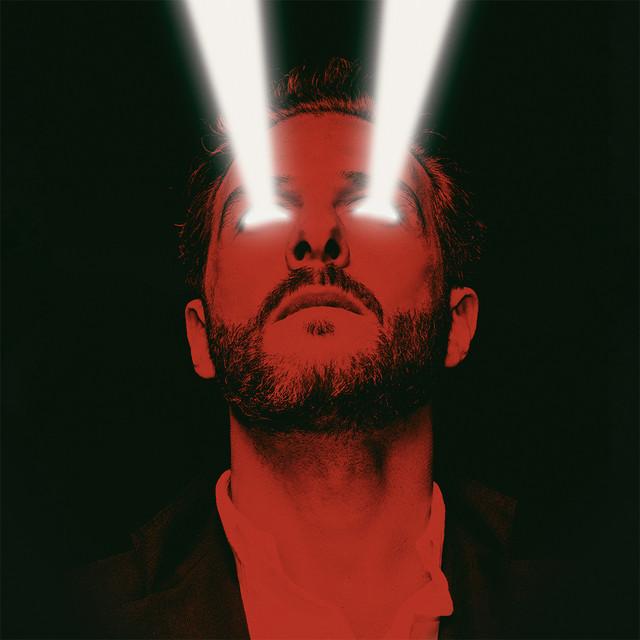
Moriarty

Rock
Folk Rock
Other Electronic Music
 Viberate Rank: 37100
 Viberate Rank: 37100
 Monthly ListenersFollowers
 Subscribers
 Followers
 Followers
 FansTop Spotify Songs
| Track | 7-Day Streams | |
|---|---|---|
1 | 236.28K | |
2 | 91.49K | |
3 | 46.19K | |
4 | 28.19K | |
5 | 17.42K |
Top YouTube Videos| Video | 7-Day Views | |
|---|---|---|
1 | 5.29K | |
2 | 1.18K | |
3 | 1.10K | |
4 | 577 | |
5 | 549 |
Monthly ListenersFeatured in Playlists| Playlist | Followers | |
|---|---|---|
1 |  Au calme Spotify | 1.07M |
2 |  Chill it surf style Felix Bouleau | 71.72K |
3 | Jazz · Blues · Soul · Funk · Swing Carles Sirvent | 59.35K |
4 |  The Sound of Everything The Sounds of Spotify | 53.81K |
5 | -•STARBUCKS•- coffee playlist 1131564493 | 26.49K |
Audience| City | Monthly Listeners | |
|---|---|---|
1 | | 30.12K |
2 | | 12.18K |
3 |  | 10.39K |
4 | | 9.67K |
5 |  | 8.28K |
See full performance history, audience data, playlist activity, rankings, comparisons, and more in Viberate music analytics. Start with a free trial, then continue with a paid plan.
Moriarty’s Spotify BioBringing together a multinational assemblage of musicians whose primary work has been influenced by traditional Irish folk, country, and blues, France-based Moriarty also took a page from punk rock, in that all members use the surname "Moriarty" as a performance name (à la the Ramones, for example). Members Charles Carmignac (guitars, percussion), Arthur Gillette (guitar, piano), Thomas Puéchavy (harmonica), Rosemary Standley (vocals, various instruments), and Stephan Zimmerli (bass, guitar) hail from a number of countries, including France, the United States, Switzerland, and Vietnam. Their debut, Gee Whiz But This Is a Lonesome Town, was released in 2007 by Naïve Records. The following year the band began an extensive European tour, where they appeared in venues throughout much of the continent -- which included festival appearances at France’s Eurockéennes and the popular Spanish outing Benicàssim. Their simple, stripped-down version of Depeche Mode's “Enjoy the Silence” was… featured on Irish producer Ronan Hardiman's 2008 La Musique de Paris Dernière compilation series and shortly after received radio airplay. By 2009, they had amassed over 170 live shows and in January that year they set off on a World tour that visited the U.S., Canada, and Japan before ending in India 12 months later. The time they spent on the road allowed them to write, perform, and tweak new songs as they traveled, an approach which lent itself perfectly to their blend of nomadic, folk-inspired music. The outfit’s second record, The Missing Room, appeared in 2011 through their own Air Rytmo label. ~ Chris True & Scott Kerr, Rovi
Viberate is a music analytics platform built for A&Rs, artist managers, labels, booking agents, marketers, and artists.
It helps music professionals track artist growth, analyze audience data, monitor playlist activity, compare artists, follow song performance, and identify opportunities across the music market.
Public artist pages provide a free preview of selected artist data. Paid plans provide access to deeper analytics, historical data, charts, comparisons, playlist tools, exports, alerts, reports, and additional professional features.
Yes. Public Viberate artist pages provide selected artist analytics and music data for free.
Viberate also offers a 7-day free trial of the full platform. A credit card is required to start the trial. The trial includes access to the complete product so users can test deeper artist analytics, historical views, playlist insights, comparisons, charts, exports, alerts, and reporting features before choosing a paid plan.
Viberate provides artist analytics across streaming, playlists, social media, video, radio airplay, songs, and audience markets.
Users can analyze Spotify performance, Spotify and Apple Music playlists, YouTube activity, TikTok and Instagram growth, radio spins, song performance, audience locations, demographics, rankings, and overall artist momentum.
Artist profiles also connect to music charts, similar artists, and comparison tools, helping users benchmark performance and evaluate artists in context.
Viberate updates key artist and track data daily.
For followed artists and tracks, selected data is refreshed multiple times per day. This helps teams monitor playlist changes, streaming movement, audience growth, releases, and campaign performance with more current data.
Update frequency can vary depending on the metric and data source.
Yes. Viberate lets users compare up to five artists side by side across streaming, social media, audience, and engagement metrics.
Users can compare fanbase growth, audience demographics, locations, Spotify performance, social metrics, and other artist data over selected time periods.
Artist comparison can be used for A&R scouting, benchmarking, booking decisions, campaign planning, and evaluating artists with similar audiences or market positions.