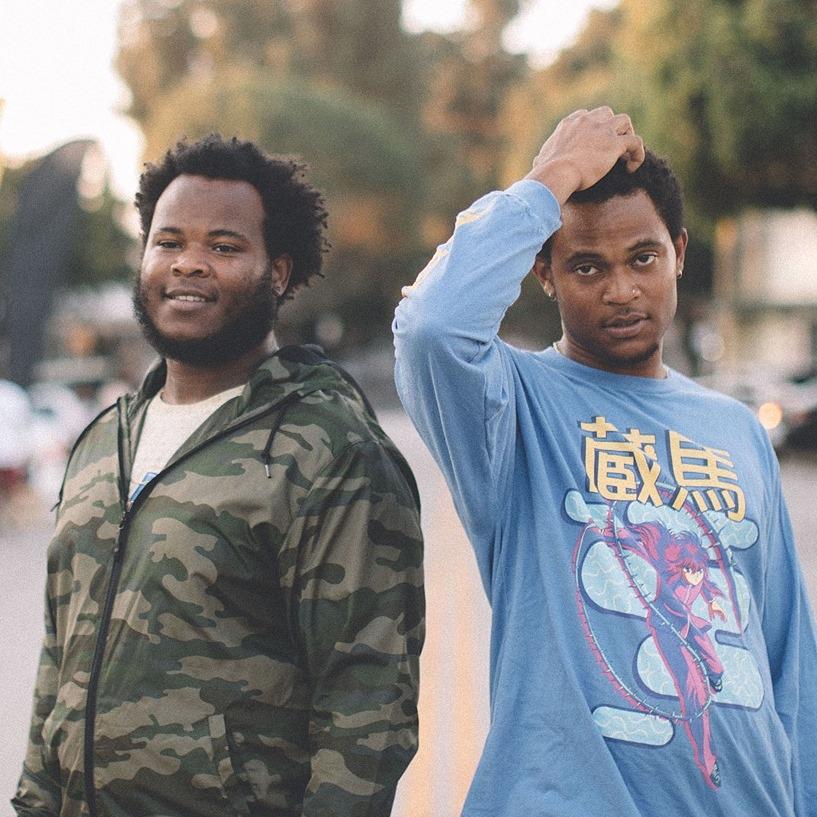
Morgan Guerin

Jazz
Free Jazz
Jazz Fusion
 Viberate Rank: 194516
 Viberate Rank: 194516
 Monthly ListenersFollowers
 Subscribers
 Followers
 Followers
 FansTop Spotify SongsTop YouTube VideosMonthly ListenersFeatured in Playlists
| Playlist | Followers | |
|---|---|---|
1 |  State of Jazz Spotify | 1.05M |
2 |  Got Blues Spotify | 161.35K |
3 |  Prog Jazz Spotify | 63.33K |
4 |  State of Jazz Presents Best Jazz of 2025 Spotify | 44.18K |
5 |  Living In My Headphones James Lavelle (UNKLE) | 16.04K |
Audience| City | Monthly Listeners | |
|---|---|---|
1 | | 37 |
2 |  | 36 |
3 | | 29 |
4 | | 20 |
5 | | 17 |
See full performance history, audience data, playlist activity, rankings, comparisons, and more in Viberate music analytics. Start with a free trial, then continue with a paid plan.
Morgan Guerin’s Spotify BioNew York City-based multi-instrumentalist, producer, composer, and engineer Morgan Guerin has achieved much in his young, burgeoning career. From composition to appearances on significant stages, Guerin has spent his life exploring new and exciting ways to navigate sound.
Guerin is skilled in several instruments, including bass, saxophones, electronic wind instrument (EWI), drums, and keys. Notable collaborators include Terri Lyne Carrington and Kassa Overall, both with whom Guerin played bass, sax, EWI, and drums; Esperanza Spalding, with whom he played bass, sax, and synthesizers; and Tyshawn Sorey, with whom Guerin played tenor and soprano sax and EWI.
Dubbed a “wunderkind saxophonist and multi-instrumentalist” by The New York Times, Guerin was born into a musical family with a pianist mother and bassist father. Later, he went on to study at The New School in Manhattan. In 2016, the Huffington Post named his debut album, “The Saga,” one of the best Jazz albums of the year. In 2017,… Stereogum highlighted his sophomore album, “The Saga II,” as one of the best new albums. He was featured on Terri Lyne Carrington & Social Science’s award-winning album, “Waiting Game.” He was also a songwriter and co-producer of Esperanza Spalding’s 2019 Grammy-winning record, “12 Little Spells”. His third album, “The Saga III,” was released on September 18, 2020.
Viberate is a music analytics platform built for A&Rs, artist managers, labels, booking agents, marketers, and artists.
It helps music professionals track artist growth, analyze audience data, monitor playlist activity, compare artists, follow song performance, and identify opportunities across the music market.
Public artist pages provide a free preview of selected artist data. Paid plans provide access to deeper analytics, historical data, charts, comparisons, playlist tools, exports, alerts, reports, and additional professional features.
Yes. Public Viberate artist pages provide selected artist analytics and music data for free.
Viberate also offers a 7-day free trial of the full platform. A credit card is required to start the trial. The trial includes access to the complete product so users can test deeper artist analytics, historical views, playlist insights, comparisons, charts, exports, alerts, and reporting features before choosing a paid plan.
Viberate provides artist analytics across streaming, playlists, social media, video, radio airplay, songs, and audience markets.
Users can analyze Spotify performance, Spotify and Apple Music playlists, YouTube activity, TikTok and Instagram growth, radio spins, song performance, audience locations, demographics, rankings, and overall artist momentum.
Artist profiles also connect to music charts, similar artists, and comparison tools, helping users benchmark performance and evaluate artists in context.
Viberate updates key artist and track data daily.
For followed artists and tracks, selected data is refreshed multiple times per day. This helps teams monitor playlist changes, streaming movement, audience growth, releases, and campaign performance with more current data.
Update frequency can vary depending on the metric and data source.
Yes. Viberate lets users compare up to five artists side by side across streaming, social media, audience, and engagement metrics.
Users can compare fanbase growth, audience demographics, locations, Spotify performance, social metrics, and other artist data over selected time periods.
Artist comparison can be used for A&R scouting, benchmarking, booking decisions, campaign planning, and evaluating artists with similar audiences or market positions.