Moonraker

Rock
Indie Rock
Downtempo
Pop Rock
 Viberate Rank: 586484
 Viberate Rank: 586484
 Monthly ListenersFollowers
 Subscribers
 Followers
 Followers
 FansTop Spotify Songs
| Track | 7-Day Streams | |
|---|---|---|
1 | 83 | |
2 | 29 | |
3 | 27 | |
4 | 19 | |
5 | 16 |
Top YouTube VideosMonthly ListenersFeatured in Playlists| Playlist | Followers | |
|---|---|---|
1 |  Bones (Full Soundtrack) kurtabum | 6.20K |
2 | Songs from Bones TV Show Season 1-9 Helena Martin | 2.96K |
3 |  Bones Tv Show Playlist Abby Kletkewicz | 1.79K |
4 |  Radio RAM Wrocław Marcin Kusch | 1.19K |
Audience| City | Monthly Listeners | |
|---|---|---|
1 |  | 18 |
2 | | 14 |
3 | | 14 |
4 | | 11 |
5 | | 11 |
See full performance history, audience data, playlist activity, rankings, comparisons, and more in Viberate music analytics. Start with a free trial, then continue with a paid plan.
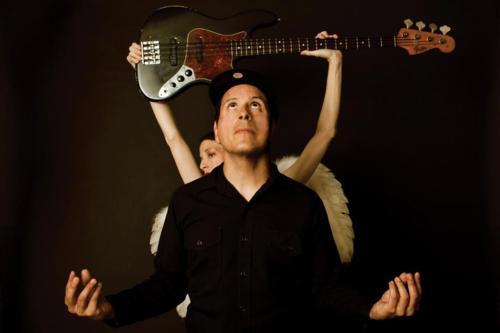
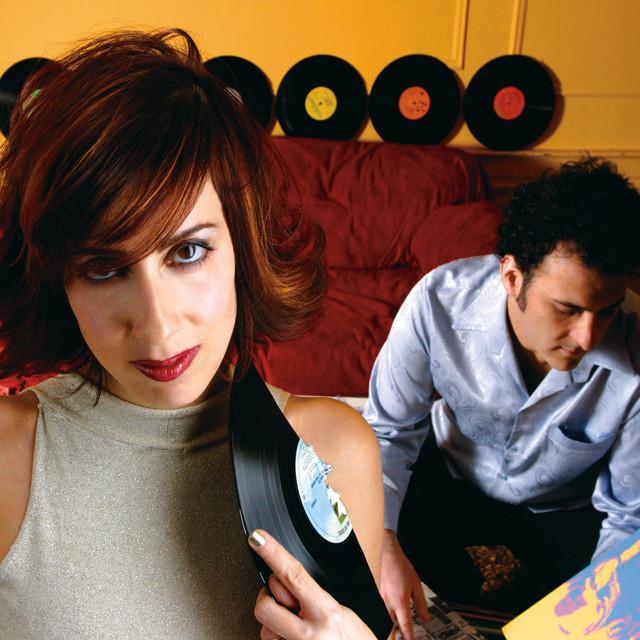
Moonraker’s Spotify BioEver since the band's formation in the late 1990s, Moonraker has been extremely difficult to categorize. Alternative pop/rock is part of what they do, but the East Coast residents' dreamy, hypnotic, jazzy work has just as much to do with urban contemporary, funk, disco, and club/dance music. Portishead, Radiohead, Björk, U2, David Bowie, and Steely Dan have all been cited as influences, but Moonraker's sound also brings to mind the soulful grooves of Erykah Badu, India.Arie, N'Dea Davenport, and the Brand New Heavies. In fact, Moonraker's lead singer, Kelli Scarr, has such an R&B-minded vocal style that she would probably sound perfectly natural singing in the Heavies or performing a vocal duet with Badu, Davenport, or India.Arie. One term that Moonraker's members have often used to describe their music is "livetronica," which is their way of saying that they have been greatly influenced by certain types of electronica but aren't totally electronic themselves. Moonraker's approach… does, in fact, owe a lot to the softer, smoother, side of electronica -- as opposed to techno and the harsher, more abrasive forms of rave music -- and they have obviously been greatly influenced by trip-hop, chill-out, acid jazz, and downtempo. But unlike electronica artists whose recordings are totally or mostly programmed, Moonraker sounds like an honest to God band and uses real guitar, real bass, and real drums played in real time. They owe more to electronica's beats, rhythms, melodies, and harmonies than its totally high-tech production style.
Moonraker got started around 1998, when three students at Boston University -- guitarist David Moltz, bassist Khodayar Akhavi, and drummer Daniel Mintzer -- started jamming together. Deciding that they needed a vocalist, the three of them placed ads in various publications and received an enthusiastic response from Kelli Scarr, who had been a student at the Berklee College of Music and was directing a jazz quartet at the time. All of the people Moltz, Akhavi, and Mintzer had cited as influences in their ads -- Portishead, Björk, Squarepusher, and Aphex Twin, among others -- were people Scarr (who grew up in California before moving to Boston to attend Berklee) was into, and before long, she became an official bandmember and recruited keyboardist Dan "Shaolun" Chen. With that five-person lineup in place, Moonraker performed around Boston in the late '90s and early 2000s and acquired a small following in that area (where they created enough of a buzz to open for well-known artists like singer/songwriter Joan Osborne and the seminal gangsta rap innovator Ice-T). However, Moonraker didn't remain in Boston; in 2002, the bandmembers moved to New York City and made Brooklyn their new home.
After putting out a few releases themselves -- including their debut album, Nada Brahma (which sold about 3,000 copies), and a live recording titled Breathe...Live 2002 -- Moonraker signed with Immergent Records in 2003. Their first Immergent release, a self-titled CD, came out in September of that year; some of the selections had been previously heard on Nada Brahma. Immergent planned to put out another Moonraker album sometime in 2004. ~ Alex Henderson, Rovi
Viberate is a music analytics platform built for A&Rs, artist managers, labels, booking agents, marketers, and artists.
It helps music professionals track artist growth, analyze audience data, monitor playlist activity, compare artists, follow song performance, and identify opportunities across the music market.
Public artist pages provide a free preview of selected artist data. Paid plans provide access to deeper analytics, historical data, charts, comparisons, playlist tools, exports, alerts, reports, and additional professional features.
Yes. Public Viberate artist pages provide selected artist analytics and music data for free.
Viberate also offers a 7-day free trial of the full platform. A credit card is required to start the trial. The trial includes access to the complete product so users can test deeper artist analytics, historical views, playlist insights, comparisons, charts, exports, alerts, and reporting features before choosing a paid plan.
Viberate provides artist analytics across streaming, playlists, social media, video, radio airplay, songs, and audience markets.
Users can analyze Spotify performance, Spotify and Apple Music playlists, YouTube activity, TikTok and Instagram growth, radio spins, song performance, audience locations, demographics, rankings, and overall artist momentum.
Artist profiles also connect to music charts, similar artists, and comparison tools, helping users benchmark performance and evaluate artists in context.
Viberate updates key artist and track data daily.
For followed artists and tracks, selected data is refreshed multiple times per day. This helps teams monitor playlist changes, streaming movement, audience growth, releases, and campaign performance with more current data.
Update frequency can vary depending on the metric and data source.
Yes. Viberate lets users compare up to five artists side by side across streaming, social media, audience, and engagement metrics.
Users can compare fanbase growth, audience demographics, locations, Spotify performance, social metrics, and other artist data over selected time periods.
Artist comparison can be used for A&R scouting, benchmarking, booking decisions, campaign planning, and evaluating artists with similar audiences or market positions.