Monguito Santamaria

Latin
Salsa
Latin Jazz
Soul
 Viberate Rank: 281434
 Viberate Rank: 281434
 Monthly ListenersFollowers
 Subscribers
 Followers
 Followers
 FansTop Spotify Songs
| Track | 7-Day Streams | |
|---|---|---|
1 | 849 | |
2 | 644 | |
3 | 580 | |
4 | 563 | |
5 | 549 |
Top YouTube VideosMonthly ListenersFeatured in Playlists| Playlist | Followers | |
|---|---|---|
1 | jazz,funk,soul,blues,afrobeat,latin İlker Özalp | 11.48K |
2 |  FM4 Sunny Side Up (Update every Sunday) johannespuntigam | 9.46K |
3 |  SALSA BRAVA PA'L QUE SABE Santiago Montoya | 7.47K |
4 |  world music Eddy Milfort | 7.00K |
5 |  Soul, Funk, Blues, Afrobeat, Jazz, Ska, Groove! TAPETE | 6.72K |
Audience| City | Monthly Listeners | |
|---|---|---|
1 |  | 765 |
2 | | 348 |
3 | | 244 |
4 |  | 227 |
5 |  | 180 |
See full performance history, audience data, playlist activity, rankings, comparisons, and more in Viberate music analytics. Start with a free trial, then continue with a paid plan.
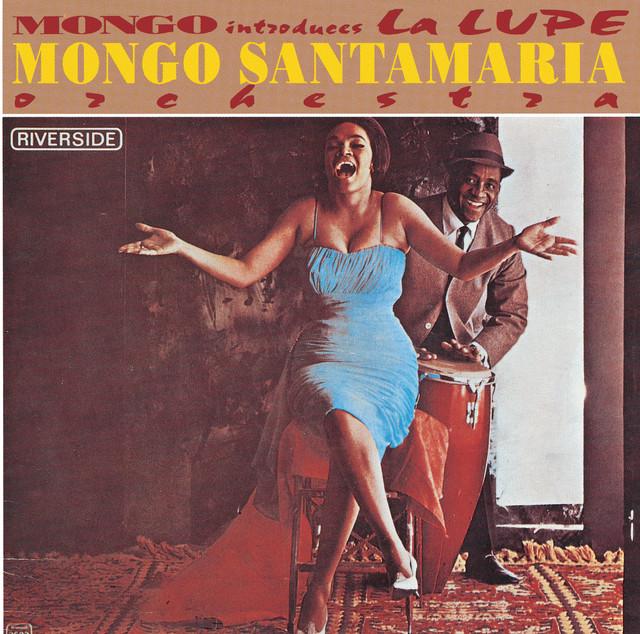
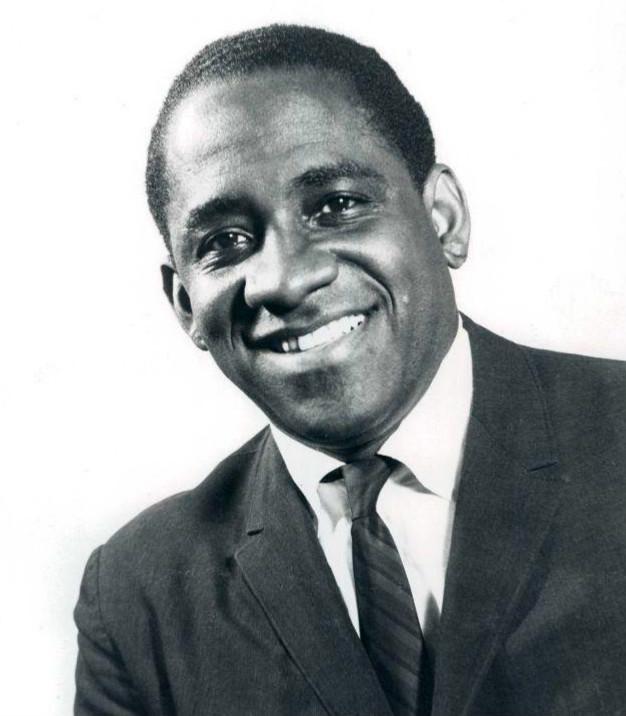
Monguito Santamaria’s Spotify BioPiano player Monguito Santamaria recorded a series of LPs for Fania during the late '60s and early '70s that earned notice for their bass-heavy grooves and anthemic status for Latin soul fans. The son of Afro-Cuban conga hero Mongo Santamaria (and not to be confused with the vocalist Monguito who recorded with Johnny Pacheco), Monguito Santamaria grew up in New York surrounded by music, especially while his father played in Tito Puente's orchestra during the '50s. He also studied music and made a few recordings while at Brooklyn College. Name recognition undoubtedly helped him get a contract with Fania, but his late-'60s LPs, Hey Sister and Black Out, were some of the best in the Latin soul style sweeping the scene during that era. Still, he released only one more LP, 1974's En Una Nota!. ~ John Bush, Rovi
Viberate is a music analytics platform built for A&Rs, artist managers, labels, booking agents, marketers, and artists.
It helps music professionals track artist growth, analyze audience data, monitor playlist activity, compare artists, follow song performance, and identify opportunities across the music market.
Public artist pages provide a free preview of selected artist data. Paid plans provide access to deeper analytics, historical data, charts, comparisons, playlist tools, exports, alerts, reports, and additional professional features.
Yes. Public Viberate artist pages provide selected artist analytics and music data for free.
Viberate also offers a 7-day free trial of the full platform. A credit card is required to start the trial. The trial includes access to the complete product so users can test deeper artist analytics, historical views, playlist insights, comparisons, charts, exports, alerts, and reporting features before choosing a paid plan.
Viberate provides artist analytics across streaming, playlists, social media, video, radio airplay, songs, and audience markets.
Users can analyze Spotify performance, Spotify and Apple Music playlists, YouTube activity, TikTok and Instagram growth, radio spins, song performance, audience locations, demographics, rankings, and overall artist momentum.
Artist profiles also connect to music charts, similar artists, and comparison tools, helping users benchmark performance and evaluate artists in context.
Viberate updates key artist and track data daily.
For followed artists and tracks, selected data is refreshed multiple times per day. This helps teams monitor playlist changes, streaming movement, audience growth, releases, and campaign performance with more current data.
Update frequency can vary depending on the metric and data source.
Yes. Viberate lets users compare up to five artists side by side across streaming, social media, audience, and engagement metrics.
Users can compare fanbase growth, audience demographics, locations, Spotify performance, social metrics, and other artist data over selected time periods.
Artist comparison can be used for A&R scouting, benchmarking, booking decisions, campaign planning, and evaluating artists with similar audiences or market positions.