Monde UFO

Electronic
Other Electronic Music
Psychedelic Rock
 Viberate Rank: 222012
 Viberate Rank: 222012
 Monthly ListenersFollowers
 Subscribers
 Followers
 Followers
 FansTop Spotify Songs
| Track | 7-Day Streams | |
|---|---|---|
1 | 6.19K | |
2 | 1.91K | |
3 | 428 | |
4 | 339 | |
5 | 245 |
Top YouTube VideosMonthly ListenersFeatured in Playlists| Playlist | Followers | |
|---|---|---|
1 |  FLAG RADIO Cornelius 2024-2026 α-STATION FM KYOTO | 9.15K |
2 |  ZARA HOME | July Zara Home | 8.88K |
3 | CWW Larry Little | 5.26K |
4 |  Stack Hype Machine | 5.16K |
5 |  Sol Calypso Radio Sol Calypso | 4.79K |
Audience| City | Monthly Listeners | |
|---|---|---|
1 |  | 808 |
2 | | 752 |
3 |  | 593 |
4 | | 575 |
5 |  | 532 |
See full performance history, audience data, playlist activity, rankings, comparisons, and more in Viberate music analytics. Start with a free trial, then continue with a paid plan.
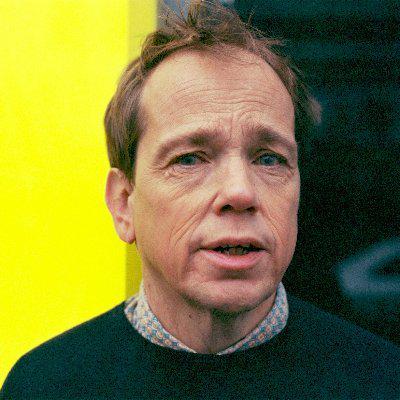
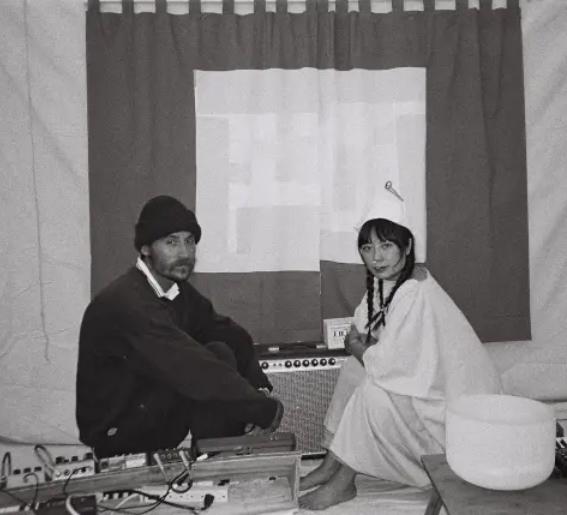
Monde UFO’s Spotify BioMonde UFO, LA-based duo of Ray Monde and Kris Chau, are a monochromatic sunset for the senses. A sonic journey through psychedelia, space rock and jazz. A cosmic space where Spacemen 3 meets Vanishing Twin, by way of Sun Ra. 7171 perfectly embodies the framework of lo and hi-fi sounds which have helped define the band.
In a downtown LA warehouse, Ray Monde began writing songs for a project that eventually became Monde UFO. Utilizing the organ as a bass, alongside keyboards and a drum machine, he began making demos on a four-track cassette recorder, adding only vocals and guitar to the organ pieces. He explored making haunting and optimistic sounds while living in Skid Row as a one-man band. Heavily influenced by the musician Sandy Bull, sonically landing in a similar no-man’s land of Worldly Jazz and Psych Folk. Monde experimented with the themes mostly of meditation and UFO lore. In time Ray moved in with the artist Kris Chau. With little crossover in musical tastes, they exclusively… started listening to jazz, ambient and new age music in the house. Ray thought it would be interesting to add Chau into his music project envisioning something that would sound like Don Cherry making a record with Yo La Tengo. Chau, with no previous musical experience, would play a sacral singing bowl mic’d up though various guitar pedals and singing. By incorporating Kris, a non-musician, there was an added emphasis on simplicity and innocence.
Viberate is a music analytics platform built for A&Rs, artist managers, labels, booking agents, marketers, and artists.
It helps music professionals track artist growth, analyze audience data, monitor playlist activity, compare artists, follow song performance, and identify opportunities across the music market.
Public artist pages provide a free preview of selected artist data. Paid plans provide access to deeper analytics, historical data, charts, comparisons, playlist tools, exports, alerts, reports, and additional professional features.
Yes. Public Viberate artist pages provide selected artist analytics and music data for free.
Viberate also offers a 7-day free trial of the full platform. A credit card is required to start the trial. The trial includes access to the complete product so users can test deeper artist analytics, historical views, playlist insights, comparisons, charts, exports, alerts, and reporting features before choosing a paid plan.
Viberate provides artist analytics across streaming, playlists, social media, video, radio airplay, songs, and audience markets.
Users can analyze Spotify performance, Spotify and Apple Music playlists, YouTube activity, TikTok and Instagram growth, radio spins, song performance, audience locations, demographics, rankings, and overall artist momentum.
Artist profiles also connect to music charts, similar artists, and comparison tools, helping users benchmark performance and evaluate artists in context.
Viberate updates key artist and track data daily.
For followed artists and tracks, selected data is refreshed multiple times per day. This helps teams monitor playlist changes, streaming movement, audience growth, releases, and campaign performance with more current data.
Update frequency can vary depending on the metric and data source.
Yes. Viberate lets users compare up to five artists side by side across streaming, social media, audience, and engagement metrics.
Users can compare fanbase growth, audience demographics, locations, Spotify performance, social metrics, and other artist data over selected time periods.
Artist comparison can be used for A&R scouting, benchmarking, booking decisions, campaign planning, and evaluating artists with similar audiences or market positions.