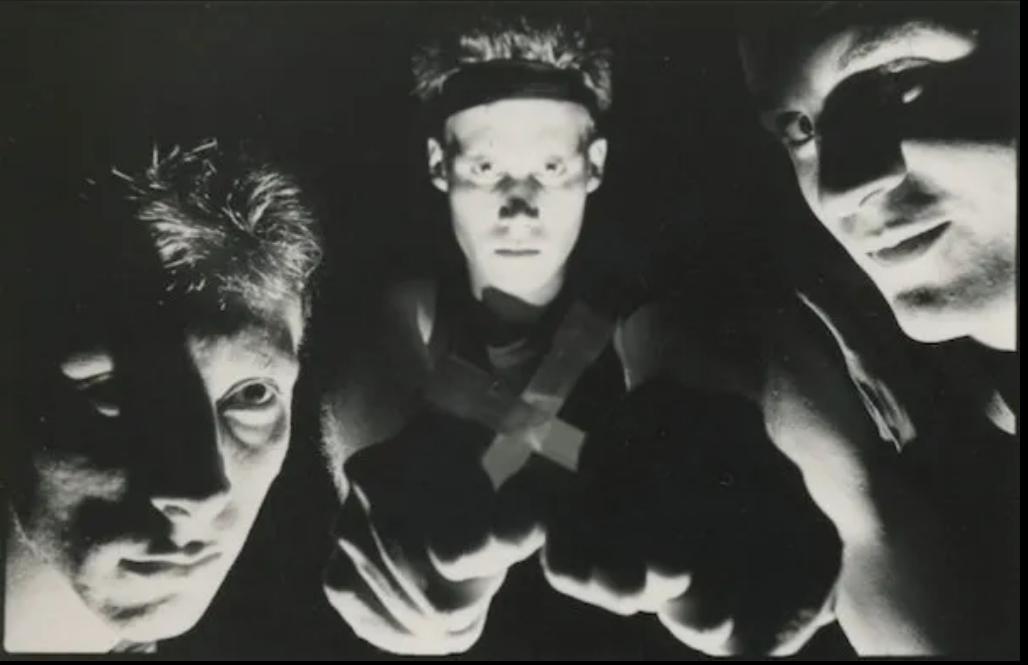
Moev

Pop
Indie Pop
Pop Rock
 Viberate Rank: 268315
 Viberate Rank: 268315
 Monthly ListenersFollowers
 Subscribers
 Followers
 Followers
 FansTop Spotify Songs
| Track | 7-Day Streams | |
|---|---|---|
1 | 630 | |
2 | 584 | |
3 | 570 | |
4 | 387 | |
5 | 224 |
Top YouTube Videos| Video | 7-Day Views | |
|---|---|---|
1 | 62 | |
2 | 3 | |
3 | 2 | |
4 | 2 | |
5 | 2 |
Monthly ListenersFeatured in Playlists| Playlist | Followers | |
|---|---|---|
1 |  New Wave Mixtape Mirrorgate Media | 15.05K |
2 |  Dark/Wave • Post-Punk • Gothic Paddyjoe | 14.12K |
3 |  Neon Talk Official Playlist Neon Talk | 12.57K |
4 |  Darkwave/Synthpop Postpunk FM Attack | 10.13K |
5 | 120 Minutes full Archive frankspin | 7.87K |
Audience| City | Monthly Listeners | |
|---|---|---|
1 |  | 128 |
2 |  | 106 |
3 |  | 105 |
4 | | 104 |
5 | | 96 |
See full performance history, audience data, playlist activity, rankings, comparisons, and more in Viberate music analytics. Start with a free trial, then continue with a paid plan.
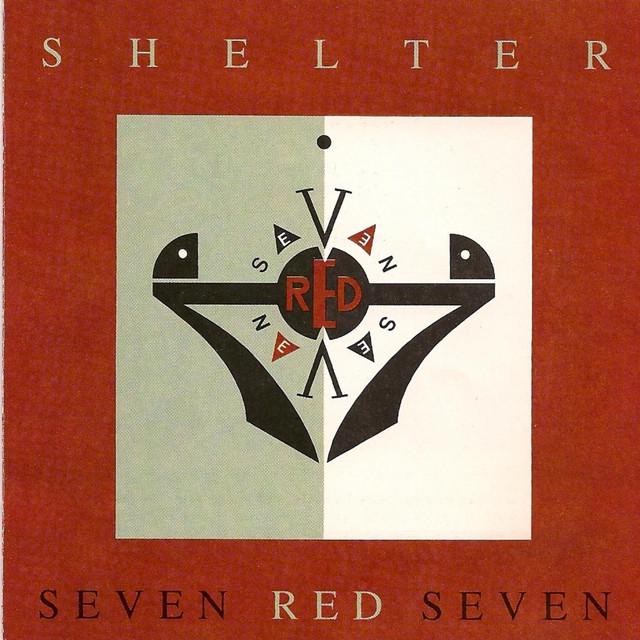
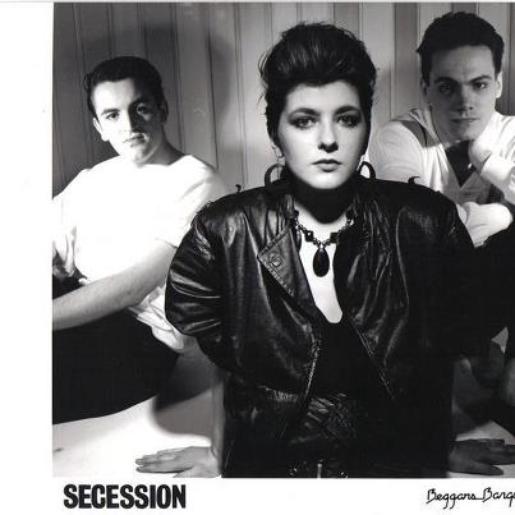
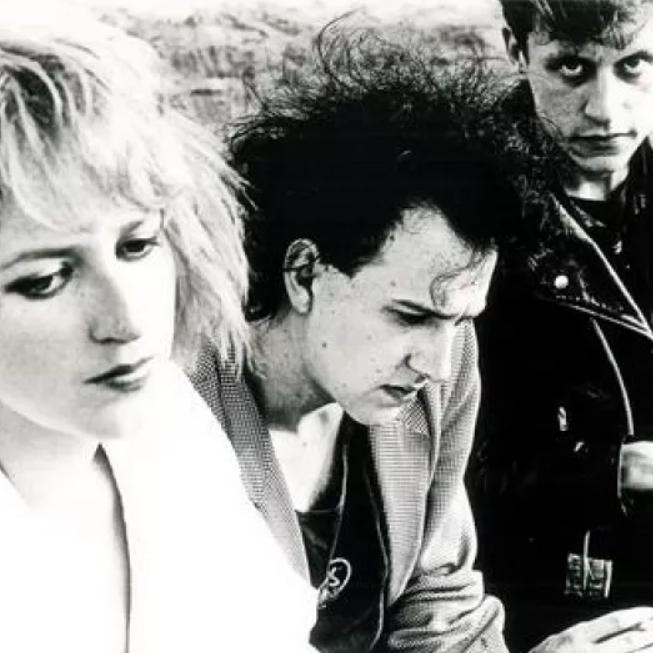
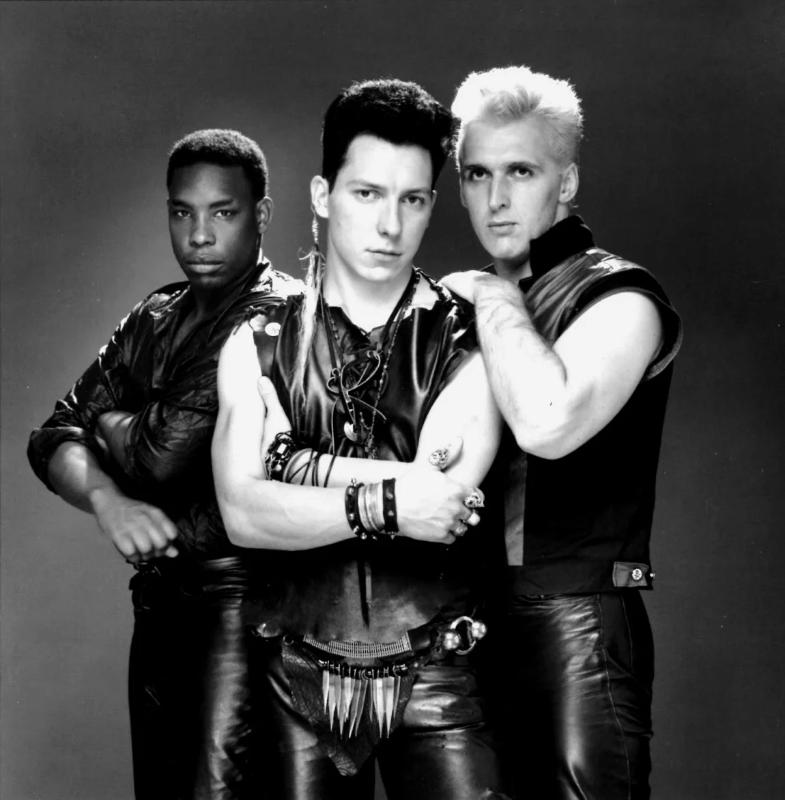
Moev’s Spotify BioMolding cultured synth-pop and darkwave ambience, the Canadian band Moev first came together in 1981 when Vancouver natives Tom Ferris and Cal Stephenson were seeking a motivated electronic sound. They weren't concerned with heavy punk elements, and classic rock riffs. The were leaning on the secretive new wave beauty of spiraling guitars and dramatic keyboards. It wasn't long that vocalist Madeleine Morris and guitarist Mark Jowett joined Moev to make the unit a solid four-piece.
They released several 12" singles, eventually signing with Go! Records in 1982 and debuting the full-length Zimmerkampf. The band toured Canada and the U.S., but album sales deemed low and Moev was unsatisfied by the support being received at Go!. The label went broke the following year, and Jowett and Moev manager Terry McBride in turn founded Nettwerk in 1984 so that Moev's material could be honestly and sufficiently released. Several singles were later issued, and also during this time, Morris left the band… and Stephenson assumed full-time vocal duties. Michella Arrichiello stepped in a year later to become co-lead vocalist alongside Stephenson, and Moev signed a deal with Profile Records. Their sophomore effort Dusk and Desire was released to critical acclaim in North America in December 1985, yet a shift in band members continued to riddle Moev of complete creative concentration. Jowett switched to entirely prioritizing things at Nettwerk, and Stephenson split to go back to school. Arrichiello also left; vocalist Dean Russell and multi-instrumentalist Kelly Cook joined Moev for the second coming of the band, just in time to sign a deal with Atlantic and release a third album, Yeah, Whatever (1988).
Head Down, which showcased backing vocals from forthcoming Nettwerk artist Sarah McLachlan followed in 1990, but reviews were mild. Obituary Column appeared a year later, making for a lackluster effort and a merely coincidental connection to the end of the band. Russell died of AIDS complications in 1994, and Ferris went on to form the alterna-rock unit Econoline Crush in the mid-'90s. He and his wife Julie, however, iginited the Moev flame again in 1998, and Kelly Cook and Cal Stephenson rejoined the band and added Redshift guitarist Drew Maxwell to the line up. Fresh and revived for the new millennium, Moev released their first album in nine years entitled Suffer. ~ MacKenzie Wilson, Rovi
Viberate is a music analytics platform built for A&Rs, artist managers, labels, booking agents, marketers, and artists.
It helps music professionals track artist growth, analyze audience data, monitor playlist activity, compare artists, follow song performance, and identify opportunities across the music market.
Public artist pages provide a free preview of selected artist data. Paid plans provide access to deeper analytics, historical data, charts, comparisons, playlist tools, exports, alerts, reports, and additional professional features.
Yes. Public Viberate artist pages provide selected artist analytics and music data for free.
Viberate also offers a 7-day free trial of the full platform. A credit card is required to start the trial. The trial includes access to the complete product so users can test deeper artist analytics, historical views, playlist insights, comparisons, charts, exports, alerts, and reporting features before choosing a paid plan.
Viberate provides artist analytics across streaming, playlists, social media, video, radio airplay, songs, and audience markets.
Users can analyze Spotify performance, Spotify and Apple Music playlists, YouTube activity, TikTok and Instagram growth, radio spins, song performance, audience locations, demographics, rankings, and overall artist momentum.
Artist profiles also connect to music charts, similar artists, and comparison tools, helping users benchmark performance and evaluate artists in context.
Viberate updates key artist and track data daily.
For followed artists and tracks, selected data is refreshed multiple times per day. This helps teams monitor playlist changes, streaming movement, audience growth, releases, and campaign performance with more current data.
Update frequency can vary depending on the metric and data source.
Yes. Viberate lets users compare up to five artists side by side across streaming, social media, audience, and engagement metrics.
Users can compare fanbase growth, audience demographics, locations, Spotify performance, social metrics, and other artist data over selected time periods.
Artist comparison can be used for A&R scouting, benchmarking, booking decisions, campaign planning, and evaluating artists with similar audiences or market positions.