MNNQNS

Rock
Indie Rock
Punk Rock
 Viberate Rank: 257349
 Viberate Rank: 257349
 Monthly ListenersFollowers
 Subscribers
 Followers
 Followers
 FansTop Spotify Songs
| Track | 7-Day Streams | |
|---|---|---|
1 | 232 | |
2 | 168 | |
3 | 148 | |
4 | 71 | |
5 | 70 |
Top YouTube VideosMonthly ListenersFeatured in Playlists| Playlist | Followers | |
|---|---|---|
1 |  Bleu, Blanc, Rock Groover Obsessions | 11.19K |
2 |  Les Inrockuptibles 2025 Les Inrockuptibles | 4.42K |
3 |  Rock en Seine 2017 Rock en Seine | 2.60K |
4 |  PRE/POST SHOW (SHUFFLE IT) I DONT KNOW HOW BUT THEY FOUND ME | 2.52K |
5 |  johnny silverhand - songs to burn cities to🚬🥃 savvy❀ | 2.19K |
Audience| City | Monthly Listeners | |
|---|---|---|
1 | | 81 |
2 | | 21 |
3 |  | 19 |
4 | | 16 |
5 | | 13 |
See full performance history, audience data, playlist activity, rankings, comparisons, and more in Viberate music analytics. Start with a free trial, then continue with a paid plan.
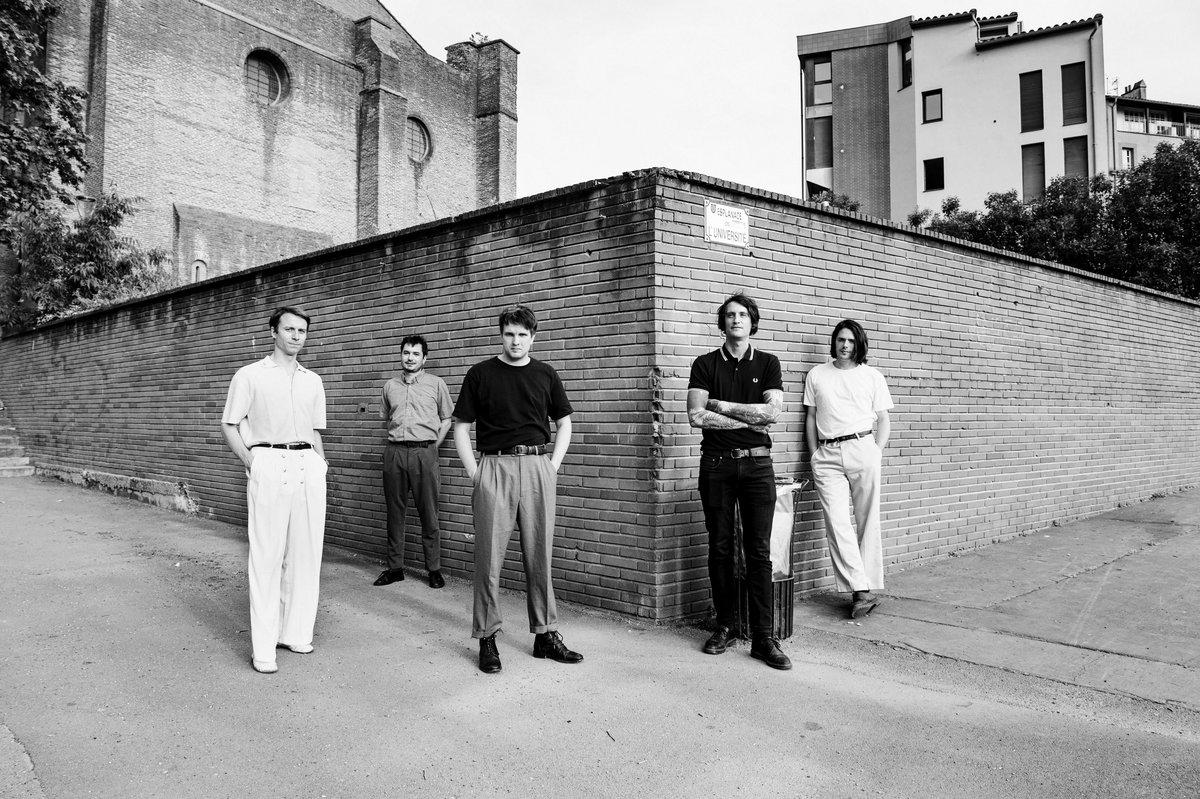
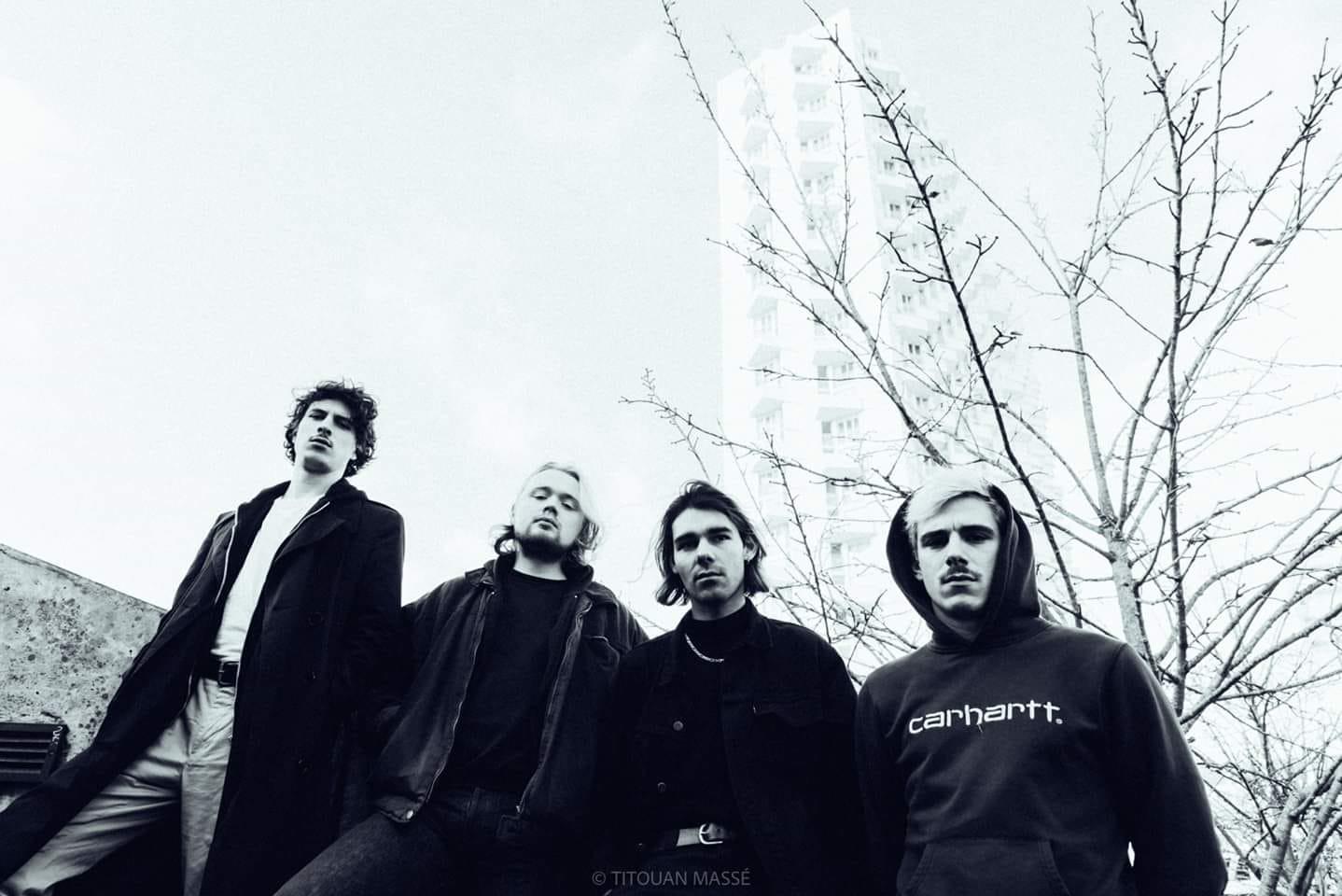
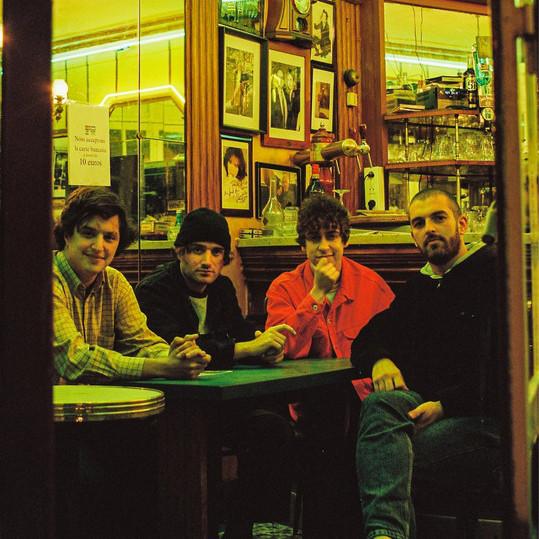
MNNQNS’ Spotify BioFrench experimental rock quartet MNNQNS describe themselves as "a rock band that hates rock & roll." Influenced by post-punk, noise pop, psychedelia, the avant-garde, and electronica, their raw and ragged sound is built around catchy melodies and straightforward song structures.
Formed in Rouen in 2014, MNNQNS (pronounced "Mannequins") was the brainchild of singer and guitarist Adrian d'Epinay. He had studied in Cardiff, Wales, where he immersed himself in the city's thriving music scene, acquiring a taste for left-field British indie, particularly noise-punk and Welsh psych. There he began writing songs and formulated the idea of putting together a band. Once back home, he set about recruiting members. After numerous changes, the lineup eventually settled with Marc Lebreuilly on guitar, Félix Ramaën on bass, and Grégoire Mainot on drums. The album Worthless, self-released in 2014, largely flew under the radar. Joining a loose scene of bands in their home town, they honed their chops… with live performances. Their effort paid off when they won the prestigious Ricard Live Music Prize, which helped boost their career. After the self-released EP Capital, they signed to cult British label FatCat in 2018, releasing the Advertisement EP. Their debut full-length for the label, Body Negative, appeared in 2019. ~ John D. Buchanan, Rovi
Viberate is a music analytics platform built for A&Rs, artist managers, labels, booking agents, marketers, and artists.
It helps music professionals track artist growth, analyze audience data, monitor playlist activity, compare artists, follow song performance, and identify opportunities across the music market.
Public artist pages provide a free preview of selected artist data. Paid plans provide access to deeper analytics, historical data, charts, comparisons, playlist tools, exports, alerts, reports, and additional professional features.
Yes. Public Viberate artist pages provide selected artist analytics and music data for free.
Viberate also offers a 7-day free trial of the full platform. A credit card is required to start the trial. The trial includes access to the complete product so users can test deeper artist analytics, historical views, playlist insights, comparisons, charts, exports, alerts, and reporting features before choosing a paid plan.
Viberate provides artist analytics across streaming, playlists, social media, video, radio airplay, songs, and audience markets.
Users can analyze Spotify performance, Spotify and Apple Music playlists, YouTube activity, TikTok and Instagram growth, radio spins, song performance, audience locations, demographics, rankings, and overall artist momentum.
Artist profiles also connect to music charts, similar artists, and comparison tools, helping users benchmark performance and evaluate artists in context.
Viberate updates key artist and track data daily.
For followed artists and tracks, selected data is refreshed multiple times per day. This helps teams monitor playlist changes, streaming movement, audience growth, releases, and campaign performance with more current data.
Update frequency can vary depending on the metric and data source.
Yes. Viberate lets users compare up to five artists side by side across streaming, social media, audience, and engagement metrics.
Users can compare fanbase growth, audience demographics, locations, Spotify performance, social metrics, and other artist data over selected time periods.
Artist comparison can be used for A&R scouting, benchmarking, booking decisions, campaign planning, and evaluating artists with similar audiences or market positions.