Mixtapes

Rock
Indie Rock
Pop Punk
 Viberate Rank: 257461
 Viberate Rank: 257461
 Monthly ListenersFollowers
 Subscribers
 Followers
 Followers
 FansTop Spotify Songs
| Track | 7-Day Streams | |
|---|---|---|
1 | 309 | |
2 | 226 | |
3 | 170 | |
4 | 141 | |
5 | 134 |
Top YouTube VideosMonthly ListenersFeatured in Playlists| Playlist | Followers | |
|---|---|---|
1 | blink-182, Sum 41 and More... Sum dude | 21.20K |
2 | POPPUNK Kevin McLaughlin | 8.53K |
3 | Acoustic Pop Punk Steven Pyne | 6.66K |
4 |  2013 Vans Warped Tour Vans Warped Tour | 5.36K |
5 |  The Sound of Alternative Emo The Sounds of Spotify | 4.88K |
Audience| City | Monthly Listeners | |
|---|---|---|
1 | | 108 |
2 | | 62 |
3 | | 59 |
4 | | 57 |
5 | | 40 |
See full performance history, audience data, playlist activity, rankings, comparisons, and more in Viberate music analytics. Start with a free trial, then continue with a paid plan.
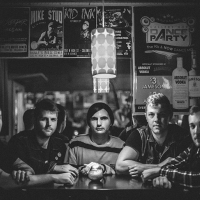
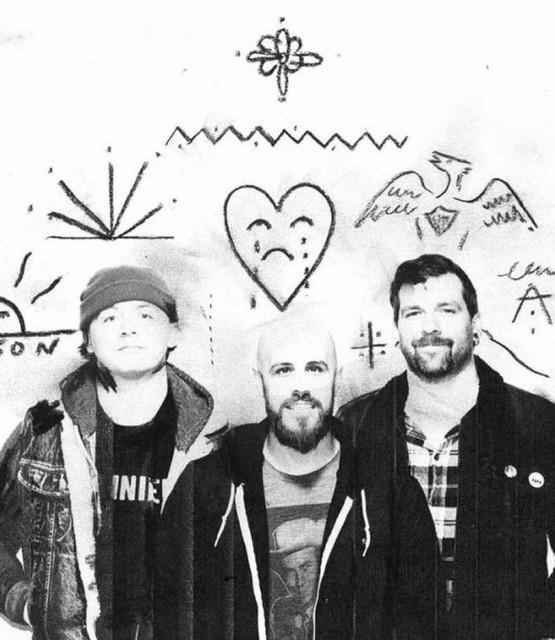
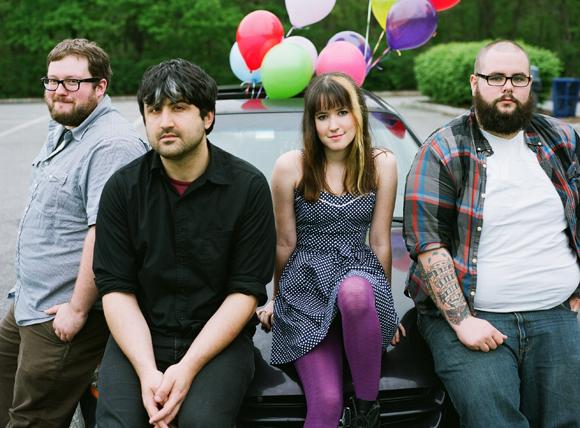
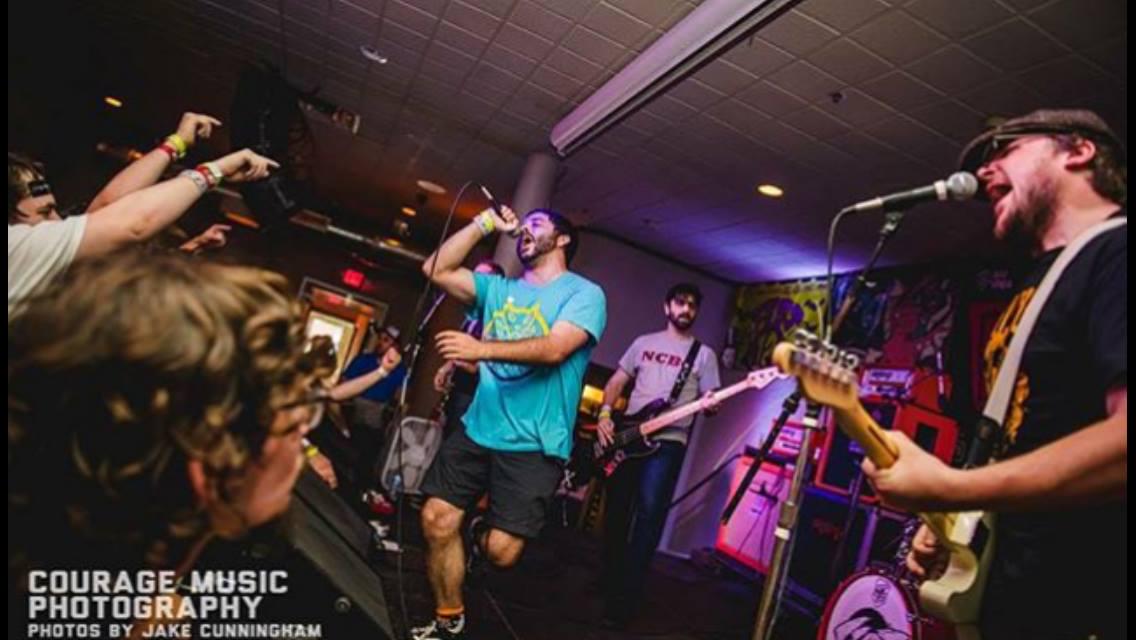
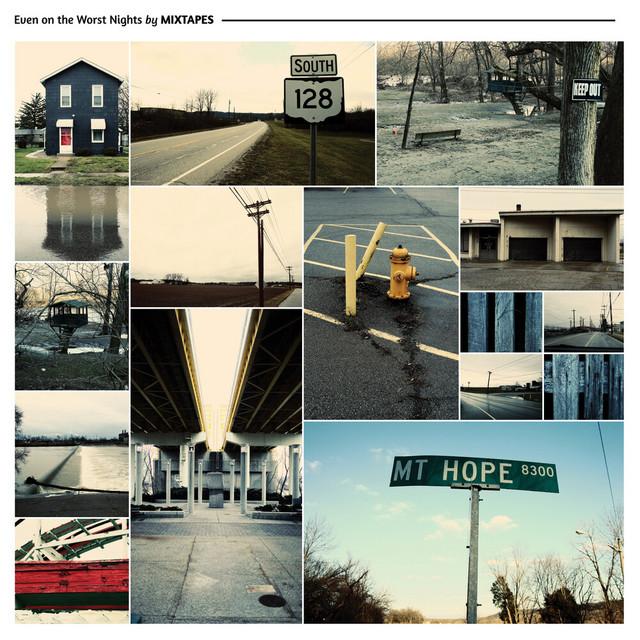
Mixtapes’ Spotify BioPlaying aggressive but upbeat pop-oriented punk rock with witty and self-reflective lyrics, Mixtapes was formed in 2010 in Cincinnati, Ohio by friends Ryan Rockwell and Maura Weaver (the latter of whom was still a senior in high school). Rockwell and Weaver met at the Mad Hatter, a local music venue, and as they were both dealing with personal issues, they started writing songs together as fun, informal therapy. Rockwell and Weaver decided to form a band to play their new songs on-stage and possibly make a record. In 2010, they cut a homemade album, Maps, credited to Mixtapes, and made it available as a free download through Death to False Hope Records. Mixtapes soon evolved into a full band with the addition of bassist Michael Remley and drummer Boone Haley, and an EP, Thought About Growing Up, followed by the end of the year. Within 18 months of forming, Mixtapes had released 48 songs through a variety of labels and formats (including an acoustic EP, How to Throw a Successful Party),… and were touring regularly, even breaking out of the United States to play some shows in Great Britain. In 2012, Mixtapes signed with No Sleep Records, and cut their first LP for the label, Even on the Worst Nights. The album earned enthusiastic reviews from the independent music press, and Ordinary Silence, the band's second full-length for No Sleep, appeared at the end of 2013. ~ Mark Deming, Rovi
Viberate is a music analytics platform built for A&Rs, artist managers, labels, booking agents, marketers, and artists.
It helps music professionals track artist growth, analyze audience data, monitor playlist activity, compare artists, follow song performance, and identify opportunities across the music market.
Public artist pages provide a free preview of selected artist data. Paid plans provide access to deeper analytics, historical data, charts, comparisons, playlist tools, exports, alerts, reports, and additional professional features.
Yes. Public Viberate artist pages provide selected artist analytics and music data for free.
Viberate also offers a 7-day free trial of the full platform. A credit card is required to start the trial. The trial includes access to the complete product so users can test deeper artist analytics, historical views, playlist insights, comparisons, charts, exports, alerts, and reporting features before choosing a paid plan.
Viberate provides artist analytics across streaming, playlists, social media, video, radio airplay, songs, and audience markets.
Users can analyze Spotify performance, Spotify and Apple Music playlists, YouTube activity, TikTok and Instagram growth, radio spins, song performance, audience locations, demographics, rankings, and overall artist momentum.
Artist profiles also connect to music charts, similar artists, and comparison tools, helping users benchmark performance and evaluate artists in context.
Viberate updates key artist and track data daily.
For followed artists and tracks, selected data is refreshed multiple times per day. This helps teams monitor playlist changes, streaming movement, audience growth, releases, and campaign performance with more current data.
Update frequency can vary depending on the metric and data source.
Yes. Viberate lets users compare up to five artists side by side across streaming, social media, audience, and engagement metrics.
Users can compare fanbase growth, audience demographics, locations, Spotify performance, social metrics, and other artist data over selected time periods.
Artist comparison can be used for A&R scouting, benchmarking, booking decisions, campaign planning, and evaluating artists with similar audiences or market positions.