Mixmaster Morris

Electronic
Techno
Other Electronic Music
 Viberate Rank: 261936
 Viberate Rank: 261936
 Monthly ListenersFollowers
 Subscribers
 Followers
 Followers
 FansTop Spotify Songs
| Track | 7-Day Streams | |
|---|---|---|
1 | 200 | |
2 | 92 | |
3 | 71 | |
4 | 70 | |
5 | 70 |
Top YouTube VideosMonthly ListenersFeatured in Playlists| Playlist | Followers | |
|---|---|---|
1 |  Glastonbury 2022 RM | 4.50K |
2 |  Berlin School - Sequencer - Ambient - Electronica Thorsten Quaeschning | 3.85K |
3 | Glastonbury 2016 RM | 3.79K |
4 |  Serial Experiments Lain pmartinezmedel | 3.75K |
5 |  Office Space Efficient Space | 2.88K |
Audience| City | Monthly Listeners | |
|---|---|---|
1 |  | 38 |
2 | | 36 |
3 |  | 24 |
4 |  | 19 |
5 |  | 17 |
See full performance history, audience data, playlist activity, rankings, comparisons, and more in Viberate music analytics. Start with a free trial, then continue with a paid plan.
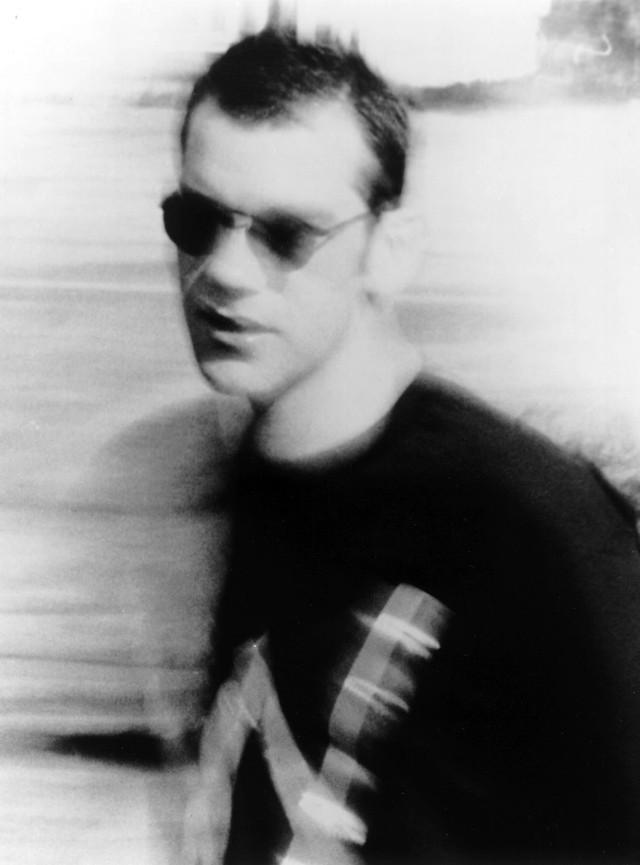
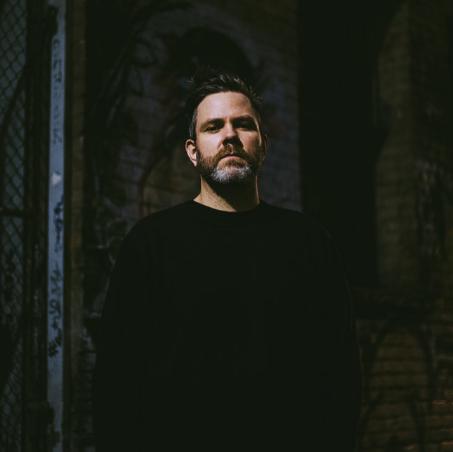
Mixmaster Morris’ Spotify BioMixmaster Morris (real name: Morris Gould) began his career as a DJ around 1982, spinning indie and punk music while attending college in London. As he continued, he expanded to experimental jazz and fusion artists like Sun Ra and Captain Beefheart. He also started to host one-man electronic shows, using loops and tapes to make hypnotic, ambient mixes. He began to work in London's pirate-radio scene, where he first gained the nickname Mixmaster Morris. After college, Morris worked as a computer systems analyst, but kept DJing when he had the chance. In 1985, he started working under the name Rhythm Method, only two years later he changed it to the Irresistible Force when he began working with Des de Moor. They began a techno event called Madhouse in 1988, an annual show that was one of the first to celebrate electronic music. A tour with Meat Beat Manifesto led to the recording of his first single, 1989's "I Want To," and a split from de Moor that saw him retaining the name Irresistibl…e Force. He was the supporting DJ for the Shamen's tour of Europe, taking breaks to play chill-out rooms at underground parties. In 1990, he took a regular gig at the chill-out room in Heaven, a club started by the Orb's Alex Patterson. He also played an infamous show with Aphex Twin around this time that lasted 16 hours. In 1992, he finally released a full album under the Irresistible Force name, Flying High. A flurry of work followed, including singles, remixes, and eventually a second album, 1994's Global Chillage. The album was the first he made strictly on his computer, a trend he would keep up from that point. Irresistible Force was becoming one of the premier names in ambient music, giving Morris the chance to tour the world with his unique sound. Several tours, including notable appearances with rock artists Seefeel and Spiritualized, would follow as he began to get the credit he deserved as one of the first ambient techno artists. Problems with his label prompted a break from recording, but by the fall of 1998 he returned with It's Tomorrow Already on the Ninja Tune label. Besides his monthly article in Mixmag, he only performed live after that album. ~ Bradley Torreano, Rovi
Viberate is a music analytics platform built for A&Rs, artist managers, labels, booking agents, marketers, and artists.
It helps music professionals track artist growth, analyze audience data, monitor playlist activity, compare artists, follow song performance, and identify opportunities across the music market.
Public artist pages provide a free preview of selected artist data. Paid plans provide access to deeper analytics, historical data, charts, comparisons, playlist tools, exports, alerts, reports, and additional professional features.
Yes. Public Viberate artist pages provide selected artist analytics and music data for free.
Viberate also offers a 7-day free trial of the full platform. A credit card is required to start the trial. The trial includes access to the complete product so users can test deeper artist analytics, historical views, playlist insights, comparisons, charts, exports, alerts, and reporting features before choosing a paid plan.
Viberate provides artist analytics across streaming, playlists, social media, video, radio airplay, songs, and audience markets.
Users can analyze Spotify performance, Spotify and Apple Music playlists, YouTube activity, TikTok and Instagram growth, radio spins, song performance, audience locations, demographics, rankings, and overall artist momentum.
Artist profiles also connect to music charts, similar artists, and comparison tools, helping users benchmark performance and evaluate artists in context.
Viberate updates key artist and track data daily.
For followed artists and tracks, selected data is refreshed multiple times per day. This helps teams monitor playlist changes, streaming movement, audience growth, releases, and campaign performance with more current data.
Update frequency can vary depending on the metric and data source.
Yes. Viberate lets users compare up to five artists side by side across streaming, social media, audience, and engagement metrics.
Users can compare fanbase growth, audience demographics, locations, Spotify performance, social metrics, and other artist data over selected time periods.
Artist comparison can be used for A&R scouting, benchmarking, booking decisions, campaign planning, and evaluating artists with similar audiences or market positions.